
A Formula 1 circuit is more than a line on a map. Elevation can turn a short section into a test of commitment, a slow corner can reward precision, and a long straight can create a chance to attack. Some tracks are immediately recognizable from a single view; others reveal their character over a complete lap. This ranking compares ten circuits associated with the world championship, including both modern venues and a historic layout. It is about the tracks and their racing stories, not a prediction of the next race or a current calendar.
Spa-Francorchamps takes first place for its mix of elevation, fast sequences and long racing history. Monaco follows for the challenge of threading a car through its streets and tunnel, while Monza is third for its speed and enduring Italian Grand Prix identity. These are editorial judgments. A reader who values technical rhythm may prefer Suzuka; someone who prizes the crowd and the Senna S may put Interlagos first. A narrow street circuit and a permanent road course ask different questions of drivers, so there is no single objective way to rank them.
We weigh distinctive layout, the variety of challenges over a lap, and a venue's place in Formula 1 history. We also consider how easily a spectator can recognize its racing story, without claiming to measure the quality of every race held there. One dramatic event does not make a circuit consistently exciting; the cars, rules, weather and race strategy also shape the spectacle. The order is not based on lap records, ticket prices, safety grades or an imaginary numerical score. Sources were checked on 21 November 2026.
The Nürburgring entry refers specifically to the historic Nordschleife, not the later Grand Prix circuit. Formula 1 used the old layout in an earlier era, and its history includes serious danger as well as sporting achievement. It would be misleading to treat past conditions as a model for modern racing. Many tracks in this list have changed corners, surfaces or facilities, and some host different championships or have appeared on the F1 calendar only intermittently. A photograph from a particular year is a view of that moment, not proof of the current configuration.
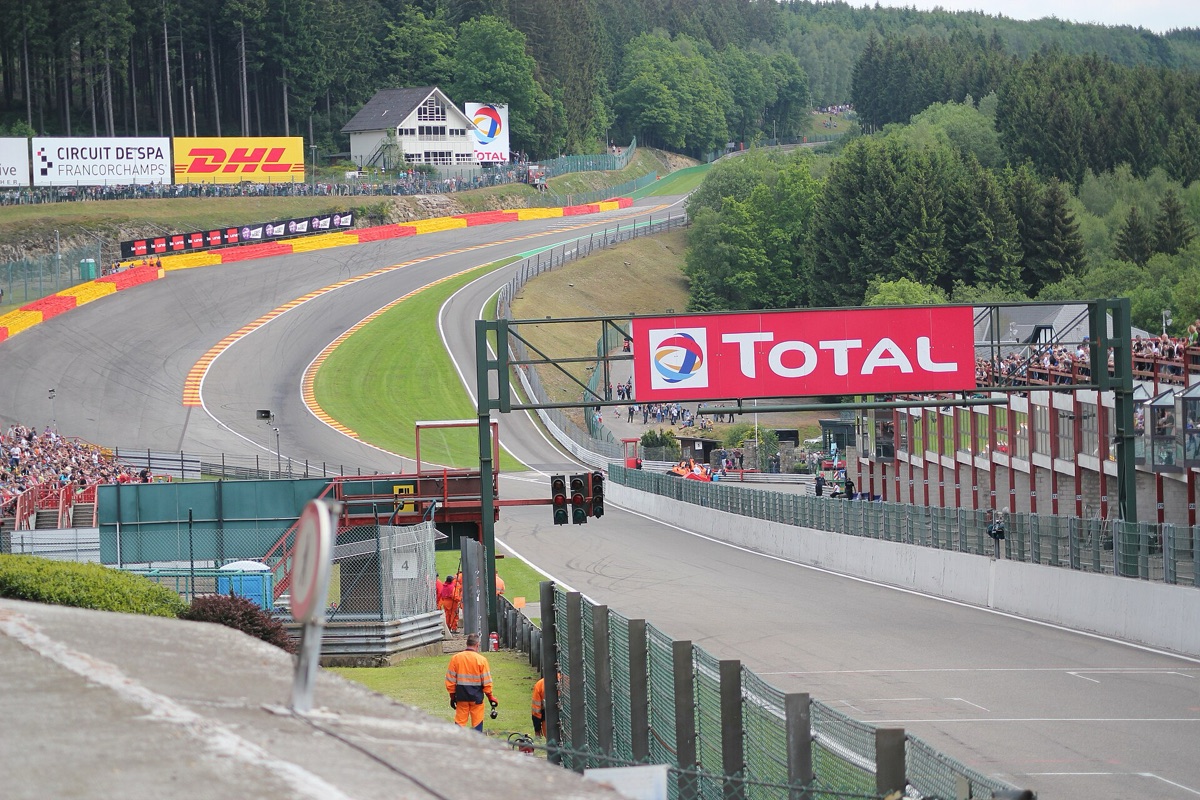
To compare circuits, look for how one corner changes the next. At Spa, the climb through Eau Rouge and Raidillon leads toward the Kemmel Straight. At Silverstone, direction changes through Maggotts and Becketts ask for rhythm. Montreal mixes fast sections with heavy braking and a final chicane beside the Wall of Champions. Interlagos begins its sequence through the Senna S, and Austin rises to a distinctive first turn before a run of linked corners. None of those features guarantees an overtake or tells the full story of a race.
History also has more than one meaning. Monza's identity is tied to the Italian Grand Prix, Monaco's to a city course unlike a permanent circuit, and Suzuka's to a figure-of-eight layout. Imola's story includes both memorable racing and tragedy; it deserves respect, not romanticizing risk. The linked Formula 1 and circuit sources provide context for the selected layouts. For another sporting comparison, explore our European Cup clubs ranking. Would you choose Spa, Monaco or a different track as the greatest?
Photo: ContextCreator · CC0; resized and recompressed. Spa: Eau Rouge and Raidillon in 2014.
