
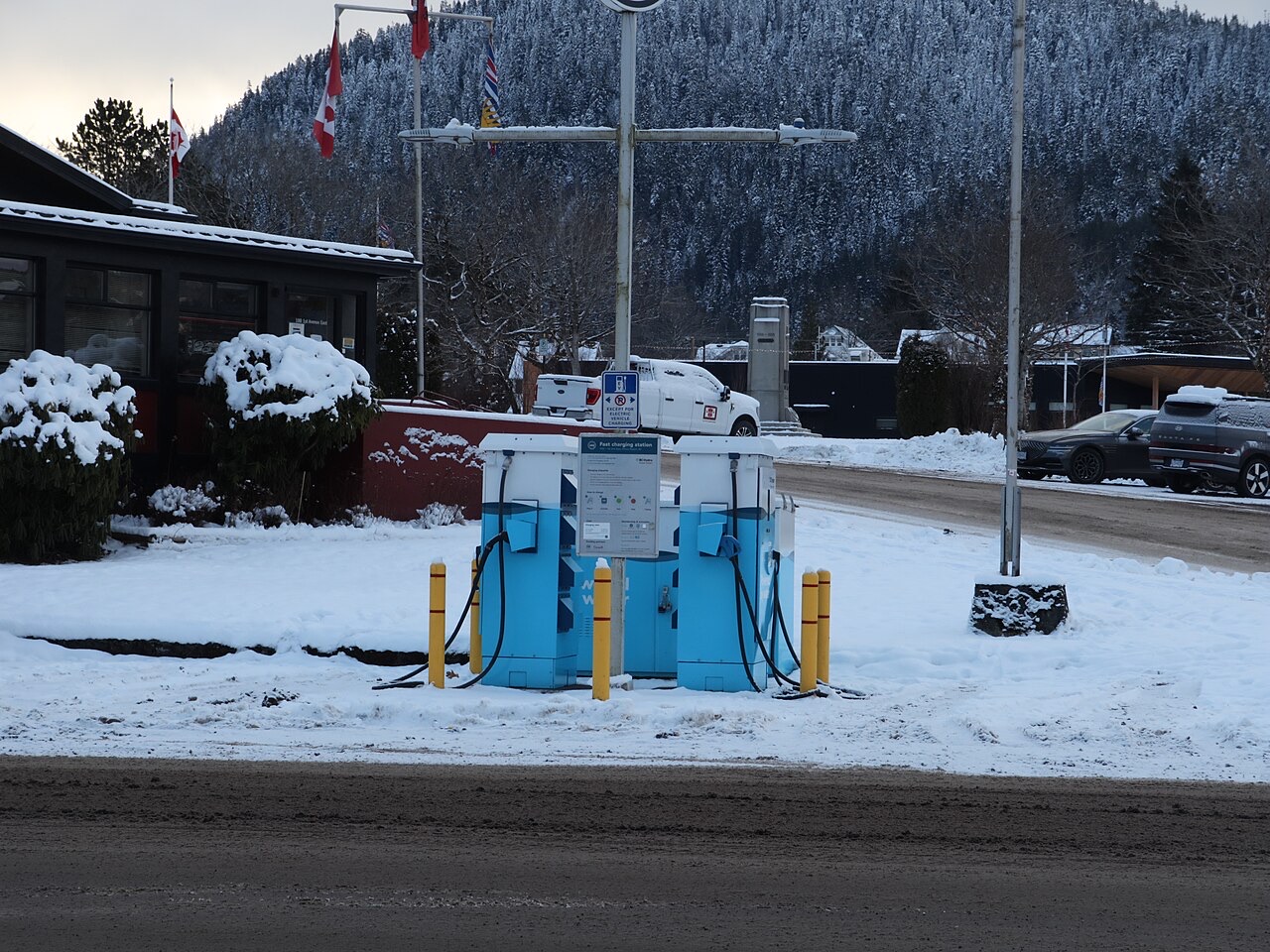
A winter trip in an electric car is not simply a summer journey with a shorter number on the dashboard. Low temperatures can reduce the energy available from a battery, while heating the cabin draws additional power. Charging can also take longer if the battery is cold. The practical challenge is to build a route and a charging plan that allow for uncertainty, rather than treating the official range or a charger's advertised maximum as a promise for every trip.
This guide ranks ten decisions that help drivers understand electric-car range and charging during cold weather. It complements our general winter car checklist, which covers tires, brakes, visibility and emergency supplies for vehicles with different powertrains. Here the focus is the electric powertrain: the state-of-charge display, charging choices, cabin heating, battery conditioning and the relationship between speed and consumption. Tire suitability and safe driving remain essential even though we do not repeat the full inspection checklist.
The order is editorial, checked against sources available on November 24, 2026. We rank a realistic energy reserve first because it gives the rest of the plan room to absorb a delay or an unavailable charger. A workable route and a cold-weather range estimate follow. The ranking is not a test of specific vehicles, a guarantee of arrival or a measured hierarchy of crash risk. A warning light, a dangerous road or instructions from a vehicle manufacturer may take priority over any item in this list.
Electric cars differ substantially. Battery chemistry, usable capacity, thermal management, charging hardware and software affect what a particular vehicle can do. Temperature, wind, road surface, speed, elevation, passengers and cabin settings affect the energy required for a given trip. A percentage seen on one car does not translate directly into the same distance on another. Rather than promising a fixed percentage of winter range loss, compare the car's own energy display with the conditions you actually expect and leave room for conditions to change.
Charging is equally dependent on context. A public station's quoted peak output is not a speed that every car can sustain. The vehicle and charger negotiate power, and the battery may accept less when cold or when it is already near full. Connectors, payment methods, local availability and operating status also matter. The US Department of Energy's Alternative Fueling Station Locator can help identify sites, but listings can change; checking the operator's current information before leaving remains useful. Carry an alternative rather than assuming a single connector will be open and working.
Comfort and safety should remain part of the calculation. Preconditioning while connected can warm a cabin before departure when the vehicle supports it. Heated seats may use less energy than heating the entire cabin, but a driver must still maintain clear windows and a comfortable, attentive driving environment. Never compromise visibility to save charge. Follow the owner's manual for charging equipment and battery-conditioning features, and do not open or repair high-voltage components yourself.
The ten entries are intended as a planning conversation, not a prescription for every climate. A short urban trip with home charging presents different questions from a remote mountain crossing. Review the forecast and road conditions, consider postponing a trip when weather makes travel unsafe, and keep passengers informed about the plan. Our sources include the US Department of Energy, Argonne National Laboratory and NHTSA; the photographs show contextual charging equipment or locations, not a Topnilo test. What would you add to your own winter EV plan?
Sources: US Department of Energy · NHTSA · Argonne National Laboratory.
Photo: WindBorneListener · CC0; resized and recompressed. A fast charger in snow, photographed in 2025.
