
Winter preparation works best before the first frozen morning exposes everything that was postponed in autumn. A car may start normally and still have tired wipers, an unsuitable tire set or a rear window that never clears properly. This countdown ranks ten checks that help turn a vague intention to get ready into specific decisions. It covers petrol, diesel, hybrid and battery electric cars, while keeping model-specific instructions with the manufacturer. The objective is a usable vehicle and a realistic journey plan, rather than a shopping list of accessories presented as an automatic ticket through bad weather.
The order is editorial, reviewed on 17 October 2026. Tire suitability takes first place because the contact with the road underpins steering and braking. Brakes and visibility follow, ahead of reliability checks and contingency supplies. That order is not a measured reduction in crash risk, nor a reason to defer an urgent fault appearing lower down. A serious recall or defective brake overrides the countdown immediately. We rank preparation priorities for an otherwise serviceable car, not the seriousness of every possible failure. Your climate, route and particular vehicle can change which appointment needs arranging first.
How the ranking works
Begin by separating three questions: what can you inspect while parked, what needs professional diagnosis, and whether the journey should happen at all. Looking for a damaged wiper blade is different from dismantling a braking system. Reading the coolant specification is different from opening a hot pressurized reservoir. A good checklist makes those boundaries clearer. Put observations in plain language, such as a warning that remains illuminated or a lamp that does not work, and use them when arranging service. A precise description is more useful than asking a workshop to perform an undefined winter treatment.
The seasonal context matters. A driver facing frequent snow has different needs from someone whose winter is mostly rain and dark evenings. A trip can also cross climates: the mild town where you park says little about a mountain destination. Think through the entire route, including the return journey, likely stopping places and what happens if you are delayed. Check current local forecasts and road information before departure. This article provides preparation principles, not a forecast for your location or a claim that any equipped vehicle can safely continue through a storm.
Turn checks into decisions
Use the list as a small record of decisions. Note the tire specification, service dates, unresolved symptoms, relevant dashboard messages and the equipment actually carried. Revisit that record after repairs or a change in weather rather than treating one inspection as valid all season. Shared cars particularly benefit from this approach: the person who notices a slow crank or empty washer reservoir may not be the next person driving. Explain where supplies and controls are, and make sure another driver can find the same information without relying on your phone being available.
Finally, preparation does not replace cautious driving or the option to postpone a nonessential trip. A warm cabin, new tires and a charged battery are useful assets, but none creates unlimited grip or visibility. The following pages explain what each check accomplishes, what it cannot establish and how to make a practical follow-up decision. For another way to explore automotive engineering without winter urgency, our guide to Europe's car museums offers useful historical context. Start with your own manual, keep the checklist specific, and judge success by resolved questions rather than the number of products bought.
Source: NHTSA.
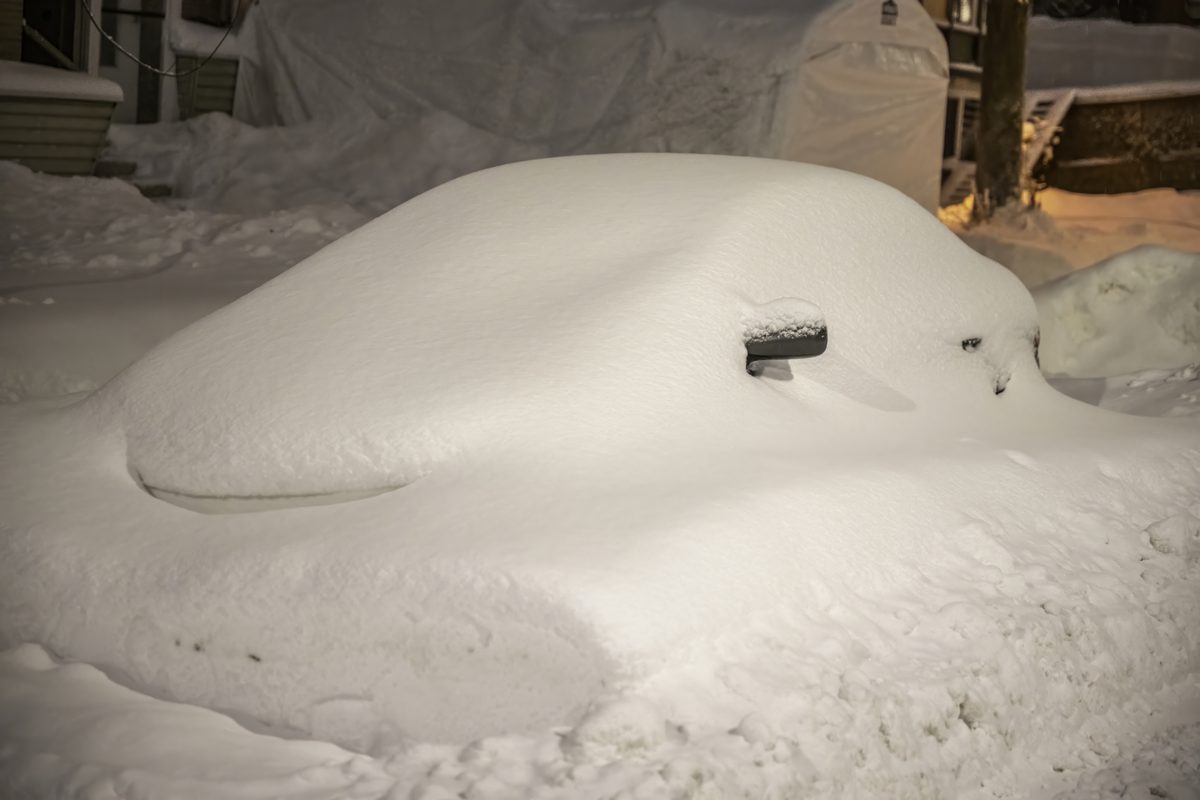
Photo: Car buried in snow on a Quebec City street.jpg · Wilfredor · CC0. Archive photo; resized and recompressed.
