
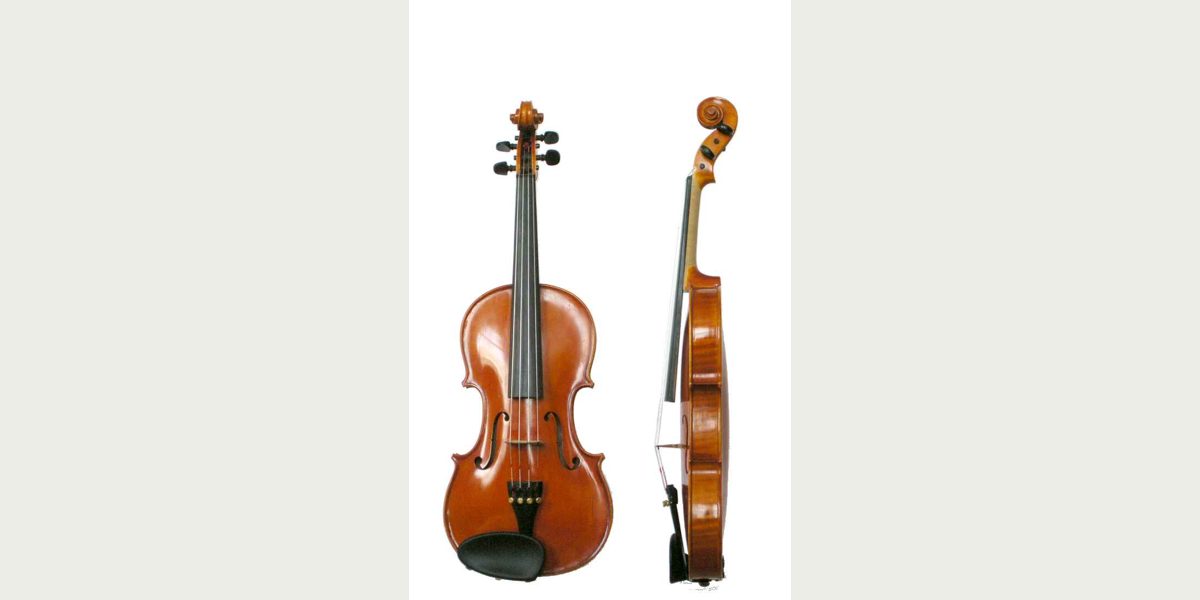
An orchestra becomes easier to follow when you can connect a sound with the person producing it. Instead of trying to memorize every instrument at once, begin with a few reliable clues: a bow crossing strings, a flute held sideways, a trombone slide moving forward, or a player striking a set of kettledrums. This guide ranks ten useful listening anchors for a newcomer to a concert, an orchestral recording or a film score. The violin is number one because it provides an especially helpful starting point for comparing melody, accompaniment and the difference between a solo player and a section.
The order is an editorial learning route, reviewed on 28 October 2026, rather than a hierarchy of musical worth. We prioritize a recognizable visual action, a contrasting way of making sound and usefulness when following an ensemble. Instruments that blend easily with their neighbors appear earlier in the countdown because they can require more patient listening. No place reflects a measured recognition rate, a popularity survey or how difficult an instrument is to play. A beginner could sensibly start with timpani instead, particularly when watching an orchestra. Our ten do not constitute a complete orchestral inventory: viola, double bass, harp, tuba and many percussion instruments deserve separate attention.
Start by separating three questions. What produces the vibration? What is the musical role at this moment? What quality does the sound seem to have? A string can be bowed or plucked; a brass player vibrates the lips into a mouthpiece; different woodwinds use an air edge, one reed or a pair of reeds. Those mechanisms are useful clues, but they do not prescribe one permanent job. A cello can support a bass line and later carry a melody. A trumpet need not be loud. Timpani have definite pitches and should not be treated as interchangeable with an unpitched crash.
Try a short listening exercise before reading the countdown. Choose a passage with a clear solo and hear it once without looking at the screen. Describe its attack: does the note begin with a breath, a scrape, a pluck or a strike? Then watch the player's hands and mouth to check your guess. On the next hearing, follow where that line moves inside the ensemble. You do not need to name a key or read a score. The goal is to notice when a color enters, when it changes and which part of the texture it occupies. A mistaken first guess is useful if it tells you which feature to compare next.
Sound descriptions are comparisons, not rigid identities. Words such as airy, rounded, bright or reedy help direct attention, but a register change, mute, playing technique, microphone or room can alter your impression. An instrument may disappear into a blended chord even when its player is visibly active. Fixed seating diagrams can also mislead: layouts and the number of performers vary with the piece and the ensemble. Use a concert video to locate a section, then return to the sound itself. The linked Philharmonia player guides provide demonstrations for each entry. Use them to test these listening tasks, then try the same comparison in a recording you already know.
If you arrive from our rock bands ranking, compare how an orchestral bass line and pulse cooperate without expecting a drum kit in every piece. If you have been exploring our Hitchcock films list, revisit a scene with attention to changes in musical texture rather than guessing an instrument from the scene's mood. A tense moment does not identify the sound source by itself. Read from ten to one, or begin with the instrument you can already spot and work outward to a neighboring family. Which discovery changes your listening most: recognizing a familiar melody's instrument, or hearing an accompaniment you previously overlooked?
Orchestra guides: Philharmonia · Carnegie Hall.
Image: Modern violin, front and side views; Just plain Bill, 16 March 2006 — Just plain Bill · Released into the public domain. Downscaled on a neutral canvas, without cropping or upscaling; optimized JPEG. Source edits retained; no endorsement implied.

