
Choosing Alfred Hitchcock's greatest film means choosing what you most value in a thriller. Psycho can make an ordinary stop feel unsafe. Rear Window turns looking into an activity with consequences. Vertigo makes the desire to recover an image more unsettling than the investigation that first attracts our attention. None wins merely because it is famous. This countdown argues for ten films that reward a first encounter and a return visit, with Vertigo at number one. It is an editorial position, open to disagreement, rather than an official scorecard or a summary of audience voting.
Our criteria are the control of suspense, the relationship between form and character, emotional complexity, and the ability to change on another viewing. We give the last two particular weight when separating the leaders. That explains why a disturbing, slower film can place above a more immediately entertaining adventure. A list prioritising pleasure, momentum or an introduction for newcomers could put North by Northwest or Rear Window first. Psycho has an especially strong counterclaim if the decisive test is how radically a film redirects the viewer's attention. The ranking therefore comes with competing cases, not numerical ratings dressed up as measurement.
The selection spans releases from 1935 to 1960 and draws on Hitchcock's British and American work. It is a shortlist from his career, not a claim that he made nothing worthwhile afterward. The Birds, Strangers on a Train and other omissions could displace several choices under different criteria. Release years and principal credits were checked against film institutions and distributors on 25 October 2026; production dates can differ from release dates. We do not rank by box-office receipts, awards or a fabricated count of influence. Sources establish factual details, while the assessments and order belong to this article.
The entries discuss premises and filmmaking without setting out the major solutions. Even so, reading any critical guide can shape expectations, especially for films built around changes in knowledge. If you prefer an entirely unprepared first viewing, use the titles to choose a film and return afterward. These are adult-oriented thrillers containing murder, coercion and other disturbing material; the ranking is not a family-viewing certification. We describe those themes without graphic detail and without treating a fictional character as a clinical case. The point is to discuss what the films do, not turn their plots into advice about real people.
A useful way to watch is to ask who knows what at each moment. Sometimes the audience has an advantage over a character; sometimes an apparent certainty becomes doubtful. Notice how a room, a journey or an ordinary object changes when knowledge changes. This guide gives each film a different viewing question, from the speed of The 39 Steps to the emotional pressure of Notorious. The photographs are licensed portraits or location context, clearly identified rather than passed off as film stills. Their dates do not establish when a fictional scene was filmed, and no streaming availability is promised.
For a wider comparison, our greatest film directors ranking considers Hitchcock alongside other filmmakers, while the classic horror movies guide places Psycho within a different field. Repeated titles do not imply identical criteria: this article compares one director's approaches to suspense and character. Try pairing the top two rather than treating the final number as a command. Which remains with you afterward, and which improves when you already know the story? If you could change one position, would you put Psycho's disruptive storytelling, Rear Window's elegance or Vertigo's troubling emotional afterlife at the top?
Sources: Film reference 1 · Film reference 2 · Film reference 3 · Film reference 4 · Film reference 5 · Film reference 6 · Film reference 7 · Film reference 8 · Film reference 9 · Film reference 10 · Film reference 11.
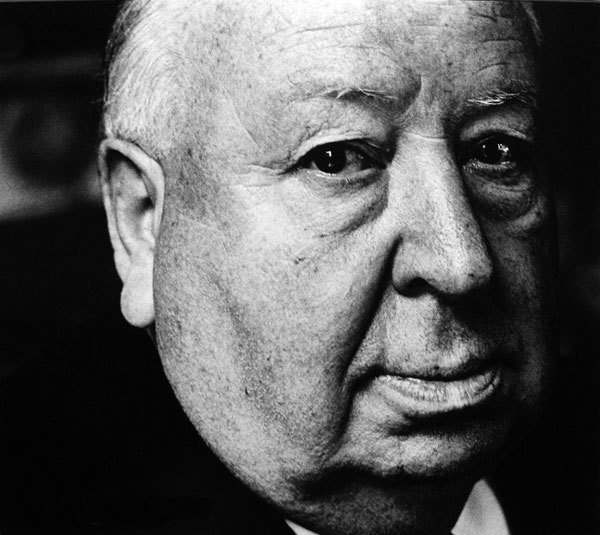
Photo: Jack Mitchell · CC BY-SA 4.0. Alfred Hitchcock photographed by Jack Mitchell, probably 1972; date uncertain, director portrait rather than a film still. Existing optimized JPEG reused unchanged; earlier resizing and recompression retained. Image derivative retains the stated license; no endorsement implied.
