
Which US presidential election changed the country most? A close finish is compelling, but a landslide can be more consequential if it reshapes the government's agenda for years. Our ranking compares ten elections between 1800 and 2008 by their impact on constitutional practice, national conflict, policy direction and party competition. It is an editorial judgment about historical consequences, not an endorsement of a candidate or a prediction about the next election.
The starting point is the election itself, followed by developments that were connected to it. Elections do not act alone: Congress, courts, states, social movements, economic conditions and international events all matter. Nor does a candidate's victory prove that every later change was inevitable. We give particular weight to a turning point when its effects can be traced through institutions and public life, while recognizing that reasonable historians and readers will weigh those effects differently.
The scope also matters. These are elections for the presidency of the United States, not rankings of presidents' entire careers, and the electorate was not equally inclusive across the period. Enslaved people had no vote; women and many racial minorities faced legal exclusion or severe barriers for much of this history. A victory that looks decisive in electoral votes therefore tells only part of the story. Our earlier guide to US voting-rights turning points provides important context for who could participate.
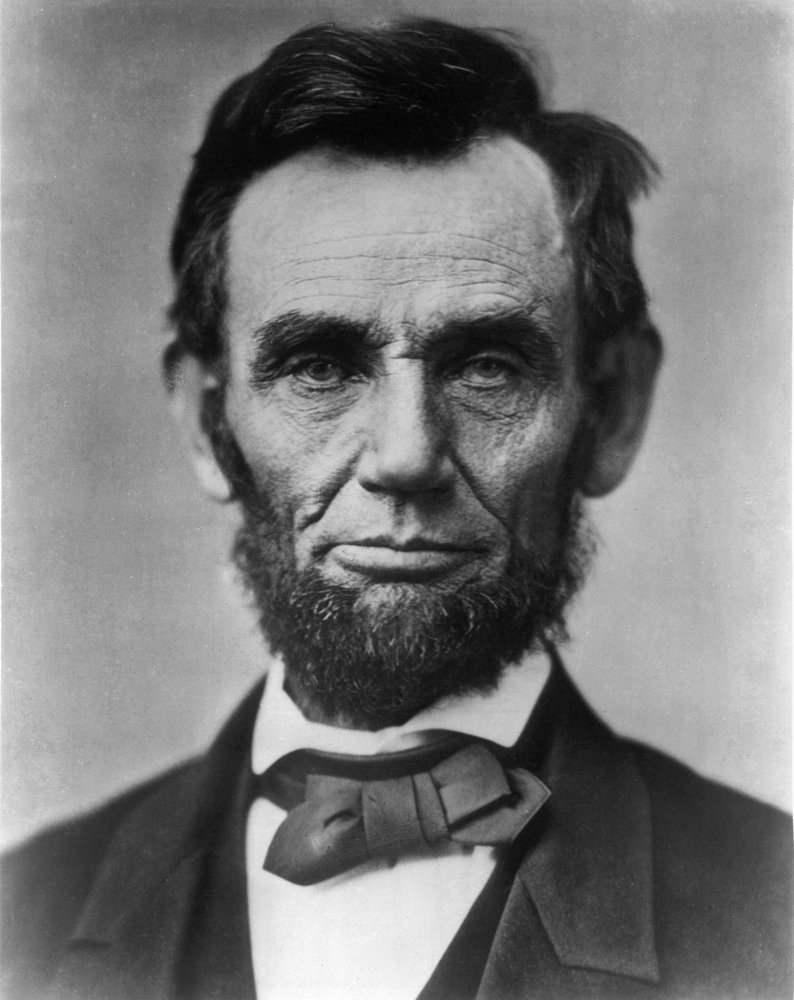
The highest-ranked election, 1860, came amid an escalating conflict over slavery. Abraham Lincoln's victory preceded the secession of seven states before his inauguration and then the Civil War. We rank it first for the scale of the constitutional and human crisis that followed, without suggesting that a single ballot caused that crisis on its own. The National Archives records the electoral results, while the University of Virginia's Miller Center explains the political context.
The election of 1932 is a strong rival for first place. Franklin D. Roosevelt defeated Herbert Hoover during the Great Depression, before an administration that launched the New Deal. The policies were enacted over time and remain contested in their reach and consequences. We place 1800 third because Thomas Jefferson's contest with John Adams produced a transfer between rival parties and a tie between Jefferson and Aaron Burr, which the House resolved. That problem helped prompt the Twelfth Amendment's separate presidential and vice-presidential ballots.
Other entries illustrate different mechanisms of change. The contested 1876 result led to an electoral commission and coincided with the end of federal Reconstruction; 1964 and 1968 reveal conflicts over civil rights, party coalitions and the Vietnam War. In 1980 Ronald Reagan defeated Jimmy Carter amid inflation and economic anxiety. The 2000 contest exposed how a very close state result and legal proceedings could determine the presidency, while 2008 brought Barack Obama, the first Black US president, to office during a financial crisis.
Our tenth choice, 1824, reminds readers that the electoral vote leader does not necessarily become president when nobody wins a majority: the House elected John Quincy Adams after Andrew Jackson led the electoral tally. Someone who values changes to electoral rules might place 1800 or 2000 first; a reader focused on the reach of federal policy could choose 1932. The photos are portraits made at different dates, not images of ballots being cast. Sources and ranking were checked on November 23, 2026. Which election would you rank first, and why?
Sources: US National Archives · Miller Center.
Portrait: Alexander Gardner · Public domain; resized and recompressed. Abraham Lincoln in an 1863 photograph.
