
An NFL broadcast can be confusing when a team celebrates a short gain, punts the ball away or scores without an obvious touchdown. The game becomes easier to follow once you know what the offense is trying to do, how many attempts it has and how possession can change. This guide explains ten useful concepts in an order chosen for a newcomer: downs and distance come first because they help make sense of almost every offensive play.
The examples describe National Football League rules for the 2026 season, checked on 11 November 2026 against the league's rulebook and football operations guides. Other versions of American football, including college and high school games, have important differences. Even within the NFL, a short explanation cannot cover every exception. Officials apply the full rulebook to the facts of a play; a television graphic is useful context, not a substitute for the official ruling.
A team on offense tries to move the ball toward the opponent's end zone. The defense tries to stop that progress or take possession. The field is marked in yards, and the location of the ball matters for the next snap. After a play ends, the teams line up again unless a score, turnover, kick or other ruling changes the situation. The quarterback often receives the snap and may hand off or throw, but many players have important roles away from the ball.
Four downs are the offense's usual set of opportunities to gain the required distance, normally ten yards. The broadcast might show “second and six”: second down, with six yards to the line needed for a new set. Gain the necessary distance and the count starts over. If the offense reaches fourth down short of that line, it can attempt another play, punt or, when conditions and field position make it sensible, attempt a field goal. A failed fourth-down attempt generally gives the other team possession at the resulting spot, subject to the rulebook's exceptions and penalty enforcement.
Scores have different values. A touchdown is worth six points and normally creates a try for one or two more; a successful field goal is worth three, while a safety is worth two for the opponent. A team trailing late might choose a two-point try to change the score difference, whereas a kick is a different risk and reward. These choices are strategic decisions, not evidence that one approach is always correct. Defensive scores and unusual try returns have their own rules.
The clock and penalties add another layer. Four 15-minute quarters do not mean a game lasts only an hour on a clock: stoppages, halftime and other interruptions extend the event. A penalty can change field position, down or both, depending on the foul and its enforcement. The team entitled to the penalty may decline it when the result of the play is more favorable. For a beginner, first watch the referee's announcement and the updated down-and-distance graphic; then consult the rulebook for the specific situation.
A tie at the end of regulation raises a separate set of overtime questions. Under the current NFL framework both teams generally have an opportunity to possess, but the regular-season period has a time limit and specific exceptions apply. A regular-season game can end tied; postseason games continue until there is a winner. We avoid treating a single overtime example as a complete rule, especially because procedures have changed over time.
Our ranking prioritizes understanding the next play, the score and changes of possession, not the frequency of a rule or its importance to officials. A fan who wants to understand a controversial catch may put replay or pass completion higher. For an example of these concepts in a real game, read our Bills versus Vikings games. Which rule took you longest to understand when you first watched?
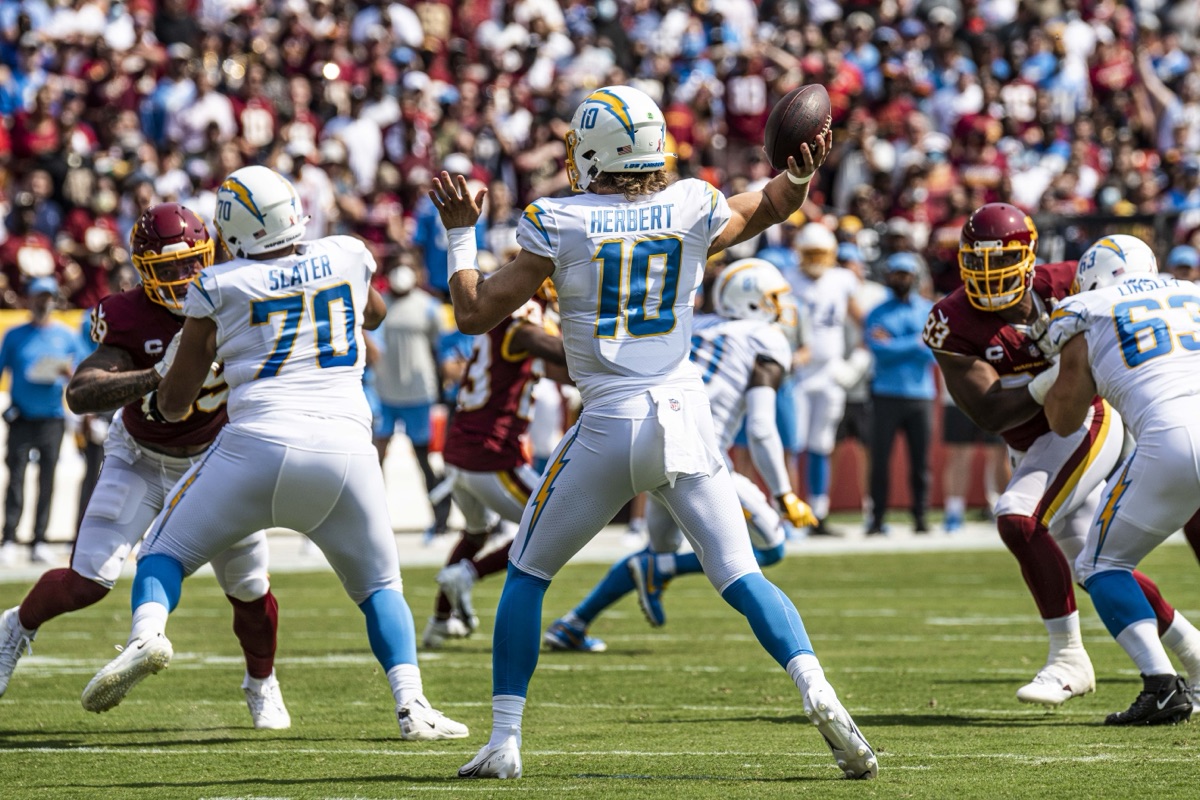
Photo: All-Pro Reels · CC BY-SA 2.0. Resized and recompressed.
