
Anthropic and its Claude assistant drew attention as the company announced the pricing of its initial public offering on November 18, 2026. Interest in a company is not proof that its products are accurate, nor is an offering announcement a reason to buy shares. Rather than predict markets, this guide asks a practical question: which research tasks can a reader usefully try with Claude while retaining responsibility for checking the answer?
We rank three kinds of task by the value of the evidence they can help a reader organize, the clarity of the next human checking step, and the usefulness of the result beyond a single conversation. Comparing cited sources is first, working through a document is second, and turning a broad topic into research questions is third. These are editorial judgments about workflows, not results of a benchmark, a claim that Claude is better than competing assistants, or a guarantee that any output will be correct. The ranking is based on the features described in Anthropic’s documentation as reviewed on November 19, 2026.
The three tasks overlap. A good question can guide document analysis; a document can point to sources worth checking; web research can reveal a question that needs to be narrowed. We put source comparison first because it creates a concrete trail for a reader to inspect. Someone working from one long report might reasonably prefer the document workflow. A student beginning with an unfamiliar subject might find the question-building task more useful. The best choice depends on the evidence already available and the decision being made.
For source comparison, ask a specific question and request links to the primary material behind each claim. Anthropic says Claude’s web search can provide citations and source links, but a link is only the start of verification. Open the source, look for the exact statement, check its date and author, and see whether the result has been superseded. A news article, a company announcement and an independent study may describe different parts of the same issue. A citation can be relevant without proving every sentence next to it.
For document work, provide material you are permitted to share and ask for a structured summary, important caveats and passages to verify. Anthropic documents support for several file types, but limits and the treatment of images vary by file and model. Long files can exceed available context, so dividing a document and checking the original may be necessary. An apparent page reference or quotation should be checked against the actual document; the tool’s confidence is not an independent source.
For planning, ask for alternative research questions, definitions and possible counterarguments, then decide which ones are worth pursuing. This can make a broad topic manageable without pretending that a generated outline is evidence. Ask what information would disprove an initial hypothesis and what primary sources would be needed. An assistant may omit a relevant perspective, misunderstand a term or produce a plausible but false statement, so the human reader remains the editor and fact checker.
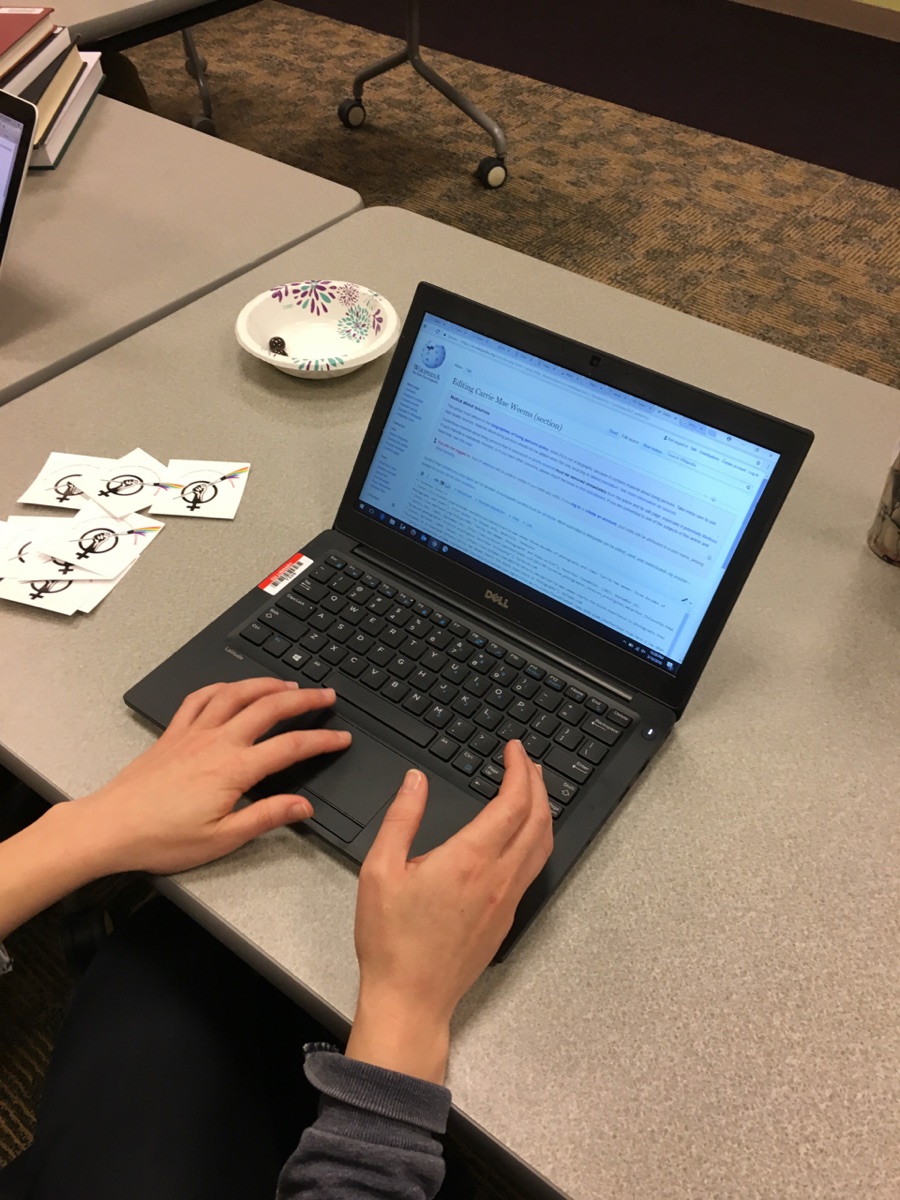
Features, limits and availability can change by account, plan and location; consult the current product documentation. Do not upload sensitive material unless you have permission and understand the applicable privacy settings. These examples are general information, not medical, legal or investment advice. The photographs show ordinary research activities, not screenshots of Claude or evidence of a product test. For another perspective on digital tools, explore our retro game consoles ranking. Which task would you try first, and what would you independently verify?
Sources: Anthropic · Anthropic.
Photo: Unionpearl · CC BY-SA 4.0; resized and recompressed. Research at a 2018 Cornell library edit-a-thon; not a Claude demonstration.
