
A game controller is where the player meets the game. A few buttons can make a complicated world feel approachable; an awkward grip can turn a brilliant game into a frustrating exercise. But is the greatest controller the most comfortable one, the most influential one, or the one that made play possible for more people? This ranking brings those questions together. It compares ten official controllers from different eras, from a single-button joystick to an accessibility-focused hub and a modern pad with elaborate tactile feedback.
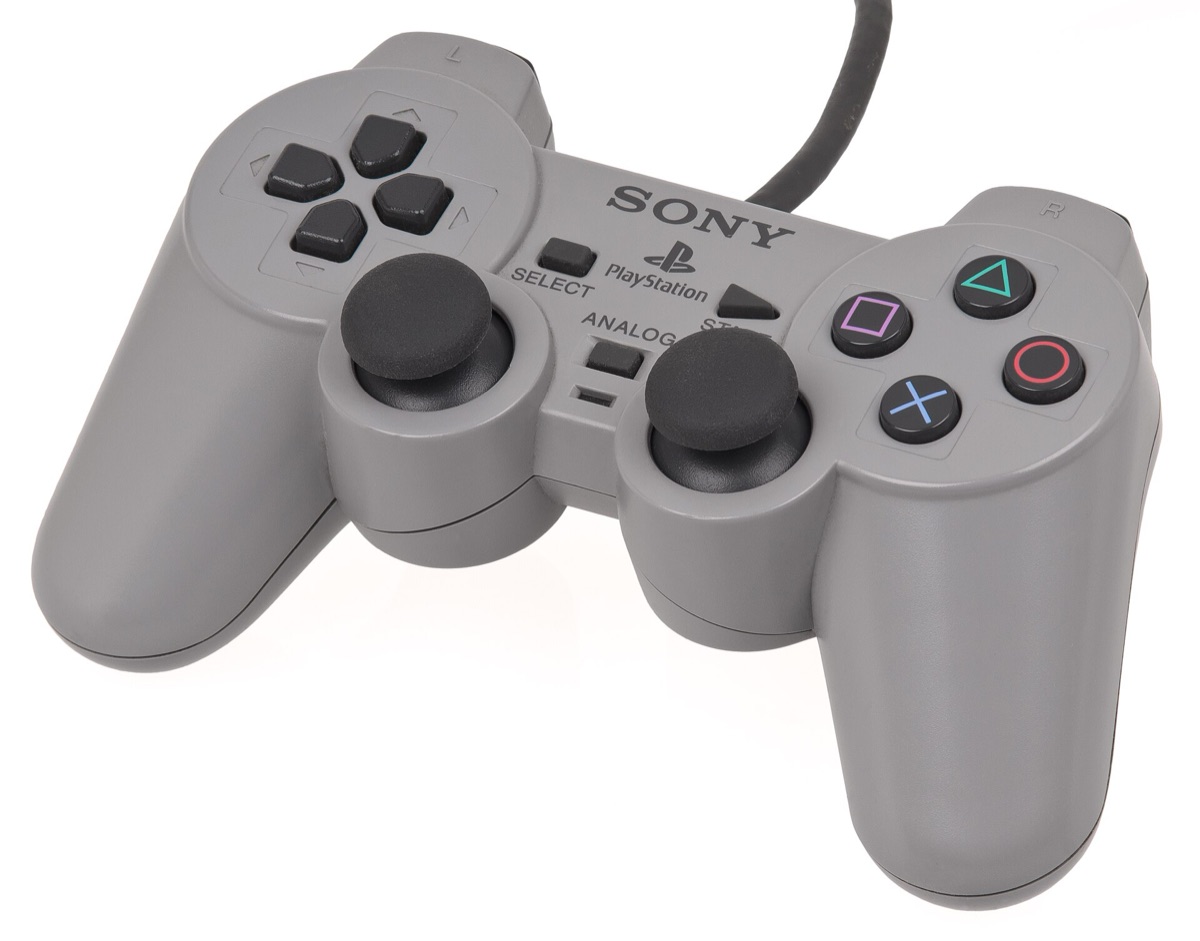
Our top choice is the original PlayStation DualShock. Its combination of two analog sticks, directional and face buttons, shoulder controls and vibration helped establish a versatile template for a broad range of three-dimensional games. The Xbox 360 controller places second for its comfortable asymmetrical layout and practical versatility; the Super Nintendo pad is third for fitting more controls into a compact design. Those are editorial judgments, not objective measurements of comfort or sales. A player who values motion controls might choose the Wii Remote, while someone who prioritizes adaptable inputs could reasonably put the Xbox Adaptive Controller first.
We consider design influence, versatility across games, clarity of controls and the range of people or play styles a design can serve. We also consider the tradeoffs. A controller can be historically important without feeling ideal today; an accessible hub can open possibilities when paired with the right external controls without being a universal solution. Hand size, mobility, preferred genres and individual needs vary. No ranking can establish which controller is most comfortable for every player, and these descriptions are not claims based on a standardized test.
The comparison is limited to official hardware made for home or connected gaming systems; it is not a buying guide, a list of current prices or a compatibility chart. Arcade cabinets, keyboards, mice and third-party controllers are outside this particular scope. Some controllers had revisions, regional differences or optional accessories, and not every feature works in every game. We identify the specific design where that distinction matters. Images show examples of the controllers and may differ in color or revision from the one a reader remembers.
Looking at earlier designs explains why newer ones look familiar. The Atari joystick offered a direct relationship between movement and a single action button. The NES pad made a directional cross and face buttons recognizable to a generation of players; the Super Nintendo design added shoulder buttons. The Nintendo 64's central analog stick offered another way to move through three-dimensional spaces, while its optional Rumble Pak introduced compatible games to physical feedback. These developments were not all invented by one company or immediately adopted everywhere, and an influential feature is not automatically the same as a comfortable complete controller.
Later designs pursued different goals. The Wii Remote emphasized movement and pointing, while the DualSense uses haptics and adaptive triggers when supported. The Xbox Adaptive Controller is built around connections to external switches and other inputs, rather than assuming one grip will work for everyone. The Computer History Museum's games timeline provides context, and our retro consoles ranking looks at the systems themselves. Sources and features were checked on 20 November 2026. Which controller would you put first, and would your answer change if accessibility or historical influence mattered most?
Photo: Evan-Amos · Public domain; resized and recompressed.
