
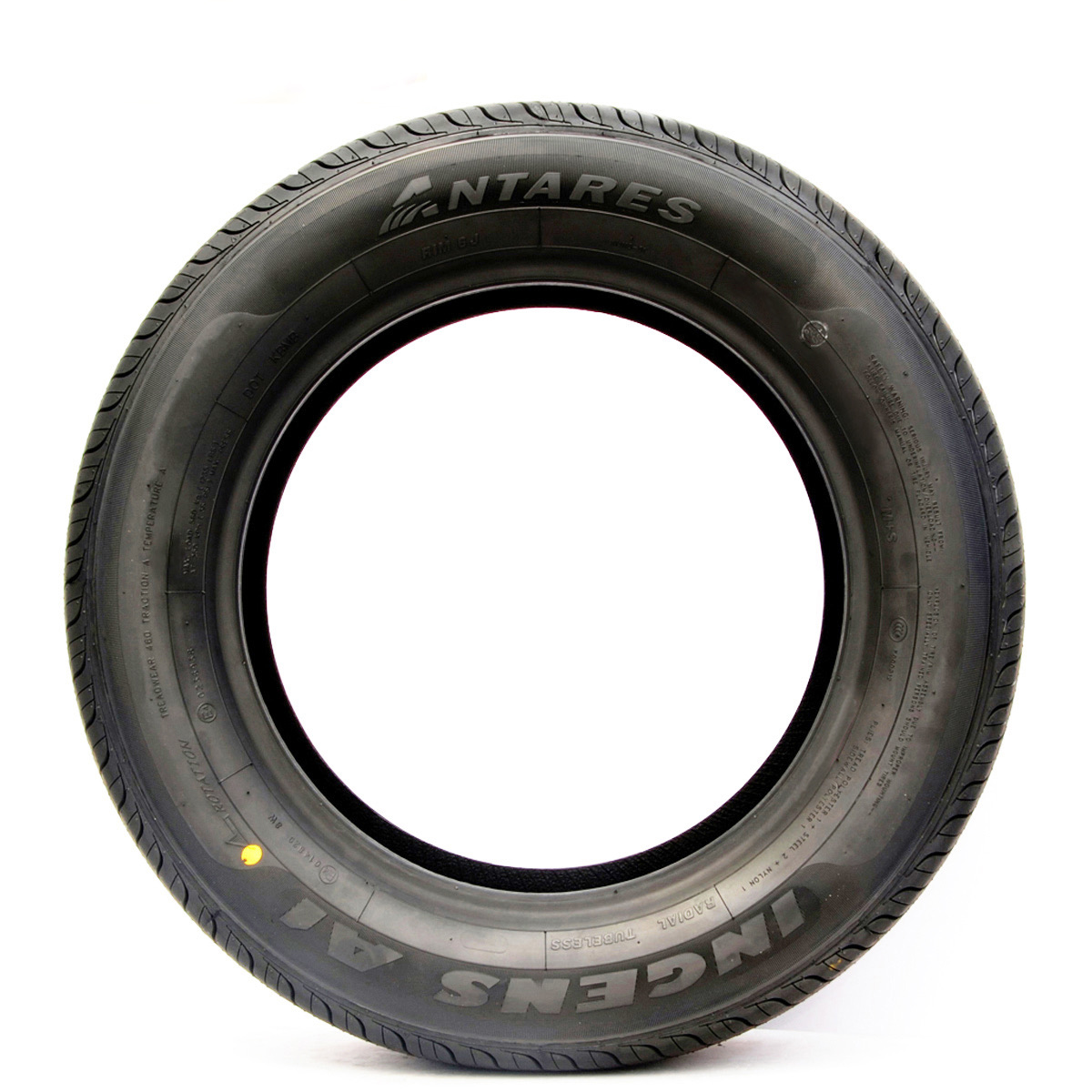
What do the numbers on a tire actually tell you? A string such as P215/65R15 combines several different pieces of information, while a separate code can identify when the tire was made. None of those numbers should be read as a universal instruction for every car. This guide explains ten useful markings and related measurements for passenger-car drivers, using United States conventions as a starting point. Our editorial order puts the vehicle's recommended cold tire pressure first because it is directly relevant to routine checks. That recommendation is usually on the vehicle's placard or in its manual, not the tire sidewall itself.
We rank these items by how useful they are when checking, maintaining or discussing replacement tires, rather than pretending that a date code, wheel diameter and pressure are competing products. Your situation may change the order. A person arranging replacements may start with the complete size and service description; someone dealing with a recall may need the tire identification number immediately. Reading a marking does not by itself establish whether a tire is safe, whether a wheel fits, or whether a particular repair is appropriate. Use the vehicle manufacturer's documentation and consult a qualified tire professional when a marking or condition is unclear.
Begin by distinguishing two pressures that sound similar. The maximum inflation pressure molded on a tire is a limit associated with that tire; it is not automatically the pressure recommended for the vehicle. The vehicle's tire information placard, often on the driver's door frame in the United States, and the owner's manual specify the manufacturer's recommended cold pressure for the vehicle. Front and rear recommendations can differ. Measure using a reliable gauge when the tires are cold, following the vehicle and gauge instructions. Do not copy a number from a photograph, from another vehicle, or from the tire's maximum-pressure text and assume it applies to yours.
A common size example, P215/65R15, can be split into its parts. The letter P indicates a passenger-car type where used; 215 is nominal section width in millimeters, 65 is the aspect ratio, R indicates radial construction, and 15 is the wheel diameter in inches. These pieces work together as a designation, not as independent choices to mix freely. The aspect ratio relates sidewall height to section width; it is a percentage, not a height in millimeters. Other prefixes and constructions exist, and a vehicle may have different original sizes on different axles. Check its placard and manual rather than treating our example as a fitting recommendation.
Nearby, a load index and speed symbol describe additional capabilities of a tire. A load index is a code linked to a load value in a table; it is not itself a weight in pounds or kilograms. A speed symbol identifies a tire's rated speed capability under specified conditions, not a suggestion to drive at that speed or ignore a speed limit. Correct selection requires the complete manufacturer specifications and appropriate professional advice. Similarly, the maximum load and pressure on a sidewall are tire-specific limits, while the vehicle's permitted loading and recommended pressures come from vehicle information. Neither should be guessed from a single code.
The DOT tire identification number can help identify a tire for a recall and reveal its manufacturing date. For tires made in 2000 or later, the final four digits of the full date code indicate the production week and the last two digits of the year: 0324, for example, means the third week of 2024. A partial identification number on one sidewall may omit those digits; the full code may be on the other side. Age matters even when tread appears deep, but there is no one universal replacement age for all tires and uses. Follow the tire and vehicle makers' guidance and seek an inspection when in doubt.
Other marks have narrower meanings. A mountain-and-snowflake symbol identifies a tire meeting a specified severe-snow performance test; it is not a promise of grip in every icy situation. Mud-and-snow lettering is a different designation. Where applicable, US treadwear, traction and temperature grades are comparative test information, not a guaranteed lifetime or a complete forecast of real-world performance. Regularly inspect tread and sidewalls, and respond to damage or a persistent pressure problem with professional help. Our winter car checks and dashboard numbers guide provide related context. Illustrations show examples, not specifications for your vehicle. Which marking was least familiar to you? The opening photo shows one example tire sidewall, photographed in 2014.
Sources: NHTSA.
Image: 请叫我斌少 · CC BY-SA 3.0 · 2014-01-09. Resized and recompressed; source license retained.
