
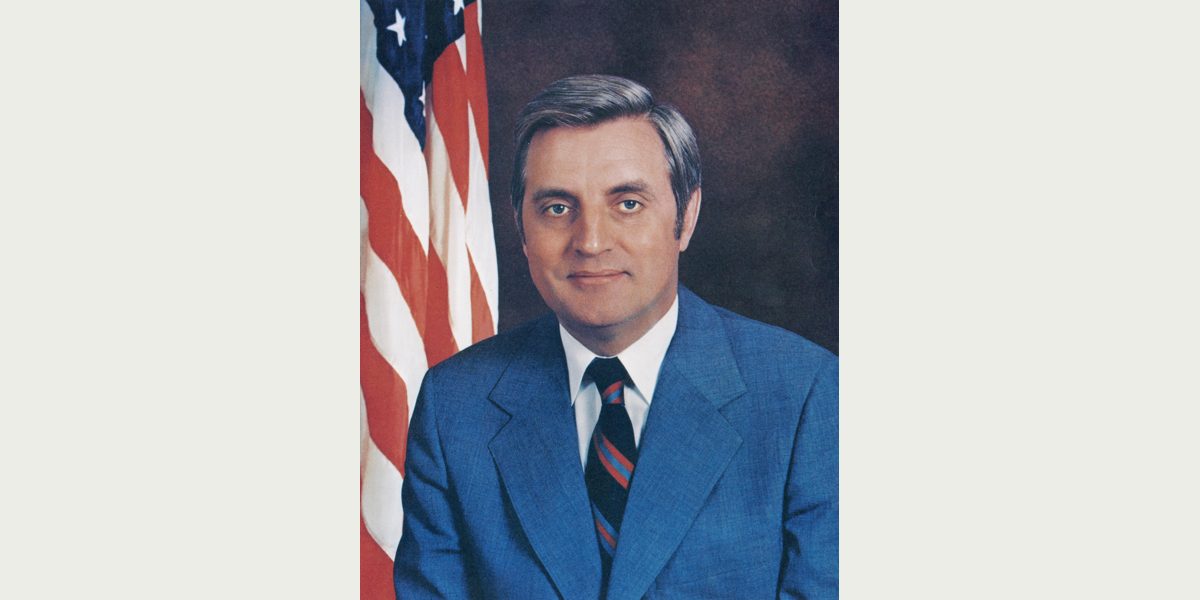
Who changed the American vice presidency most: Walter Mondale, Dick Cheney or Al Gore? Our editorial ranking puts Mondale first, Cheney second and Gore third. The deciding preference is institutional influence that later officeholders could inherit, followed by documented participation in governing and then legislative or procedural impact. Mondale's partnership with Jimmy Carter provides the clearest case for a durable working model. Cheney has the strongest competing claim if influence inside one administration receives the greatest weight. Gore offers another persuasive answer for readers who value substantial policy assignments within an established presidential partnership.
The country is the United States, and the eligibility window runs from the office's beginning in 1789 through vice-presidential service completed by 20 January 2025. We reviewed the historical record on 28 October 2026. The window includes Kamala Harris's completed tenure and excludes JD Vance's ongoing term. It also keeps this article from pretending to deliver a verdict on an unfinished vice presidency. The ranking evaluates work done while holding the vice presidency. Winning the presidency later does not add credit here, and losing a subsequent election does not subtract it.
That distinction changes several familiar names. Lyndon Johnson's presidential civil-rights legislation cannot simply be placed in his vice-presidential column. Thomas Jefferson's Louisiana Purchase belongs to his presidency, while the parliamentary manual he prepared as vice president does belong in this comparison. A later portrait can identify a person without moving the photographed presidential period into the period being ranked. Our captions make those differences visible. Dates of office come from Senate historical records and the National Archives, and specific assignments, votes and institutional practices are supported by public records and presidential archives.
The order is deliberately debatable. It is not a moral approval score, a survey of historians or a measurement of how much each person controlled every decision. Influence can have consequences that readers strongly oppose. Cheney's proximity to major national-security decisions is relevant to the scale of the office he exercised; it does not settle whether those policies were wise. Nor should a presidential archive's praise be repeated as an independent verdict. Official biographies and speeches establish roles and document how participants described them. Our ranking remains an editorial judgment about the weight of that evidence.
Different measures would produce a different winner. A ranking centred on Senate tie-breaking could move Harris far above eighth: the Senate records 33 votes during her completed tenure. A ranking centred on parliamentary procedure could raise Jefferson, whose manual appeared in 1801. Readers who emphasise the first holder's creation of working expectations can make a strong case for John Adams. We do not convert these unlike contributions into a fabricated points total. We explain why broad institutional change and sustained governing access receive priority, then preserve the counterarguments rather than describing disagreement as a factual mistake.
Our US presidents ranking evaluates a different office, while the US midterm election terms guide explains Congress and the institutions that appear throughout this history. Use those distinctions when comparing the short entries below. Ask whether a claim concerns access, an assigned task, a Senate power, public visibility or later fame. A vice president can be prominent without directing policy, and can contribute to governing without claiming the president's final authority. Read from tenth to first and test our preference against your own. Should the model that Mondale helped establish outrank the concentrated influence associated with Cheney, or should Gore's policy partnership lead the list?
Historical records: Terms of service · National Archives · Senate record, 5 December 2023.
Image: Walter Mondale, vice-presidential portrait, 1977; US Senate Historical Office; photographer unidentified — US Senate Historical Office; photographer unidentified · Public domain. Downscaled on a neutral canvas, without cropping or upscaling; optimized JPEG. Source edits retained; no endorsement implied.

