
A headline can say that a party won a primary, gained a House seat or is leading an unofficial count, and each statement describes a different kind of event. Understanding the nouns matters before interpreting the political argument. This guide ranks ten terms that help a beginner read United States midterm coverage. It explains institutions, election stages and the status of evidence rather than predicting who will win. Our scope is federal election news as understood on 26 October 2026, with state and local variation acknowledged wherever a national shorthand could conceal an important difference.
The ranking is editorial: we put terms that explain the overall structure above terms that clarify one detail within it. Midterm election comes first because it identifies what the cycle is and what it does not elect. Congress and its two chambers follow because a national headline may otherwise sound like a single contest. A reader watching results arrive could reasonably put unofficial results first instead. These are priorities for learning, not a measured test of importance or a claim that one vocabulary item should determine how anyone votes. The countdown can be read in any order.
Our primary references include USAGov, the House of Representatives, the Election Assistance Commission and official election terminology. They establish the basic institutional facts; the exercises and comparisons are our own. We do not provide a registration calendar, voting instructions for a particular address or advice about challenging a result. Those questions require the relevant state or local election office and current official instructions. Likewise, a definition is not a substitute for reading the rule that governs a particular contest. The same familiar word can appear within different arrangements across jurisdictions.
Every worked example is invented. A fictional district, unnamed candidate or hypothetical results page illustrates a reading problem without asserting that a real person acted improperly. We do not turn a close race, changing total or unfamiliar procedure into an allegation. The photographs are contextual views of political institutions, not evidence of the fictional situations. No polling figures, turnout forecasts, seat predictions or current party totals are supplied. That choice keeps the article useful as a vocabulary guide while avoiding numbers that would require a different research method and could quickly become outdated.
For each term, ask what object the news story is describing: an office, an institution, an election stage, a geographic constituency or a count. Then ask what the statement actually establishes. Winning a nomination differs from taking office; leading a count differs from a certified result; a statewide election differs from a district contest. These distinctions help readers understand disagreement without assuming that every difference in presentation reflects deception. They also make it easier to spot when a headline is technically accurate but leaves out the context needed to interpret its practical meaning.
Our political books for beginners guide offers longer introductions, while the presidential addresses ranking shows how political language can frame public choices. This article supplies a compact map for following congressional election news rather than another ranking of politicians or speeches. Read a headline, identify its key term and translate it into a precise question about who, where or what stage. Which confusion matters most to you: treating Congress as one chamber, mistaking a primary for the final contest or reading an unfinished count as a finished decision? A useful answer starts with the particular sentence in front of you.
Sources: USAGov: congressional elections · House: institutional explanation · EAC: election terminology · EAC: results and certification.
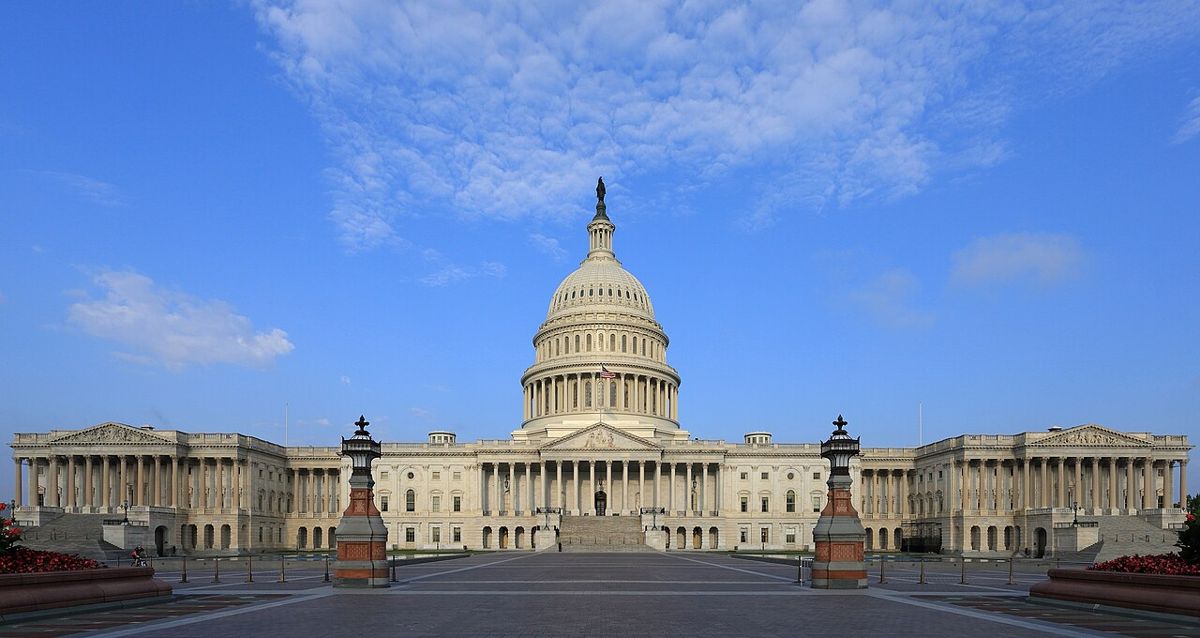
Photo: Martin Falbisoner (US Capitol east side.JPG) · CC BY-SA 3.0. United States Capitol east front, 2 September 2013; historical institutional context, not a record of the 2026 election or the invented examples. Existing optimized JPEG reused unchanged; earlier resizing and recompression retained. Image derivative retains CC BY-SA 3.0; no endorsement implied.
