
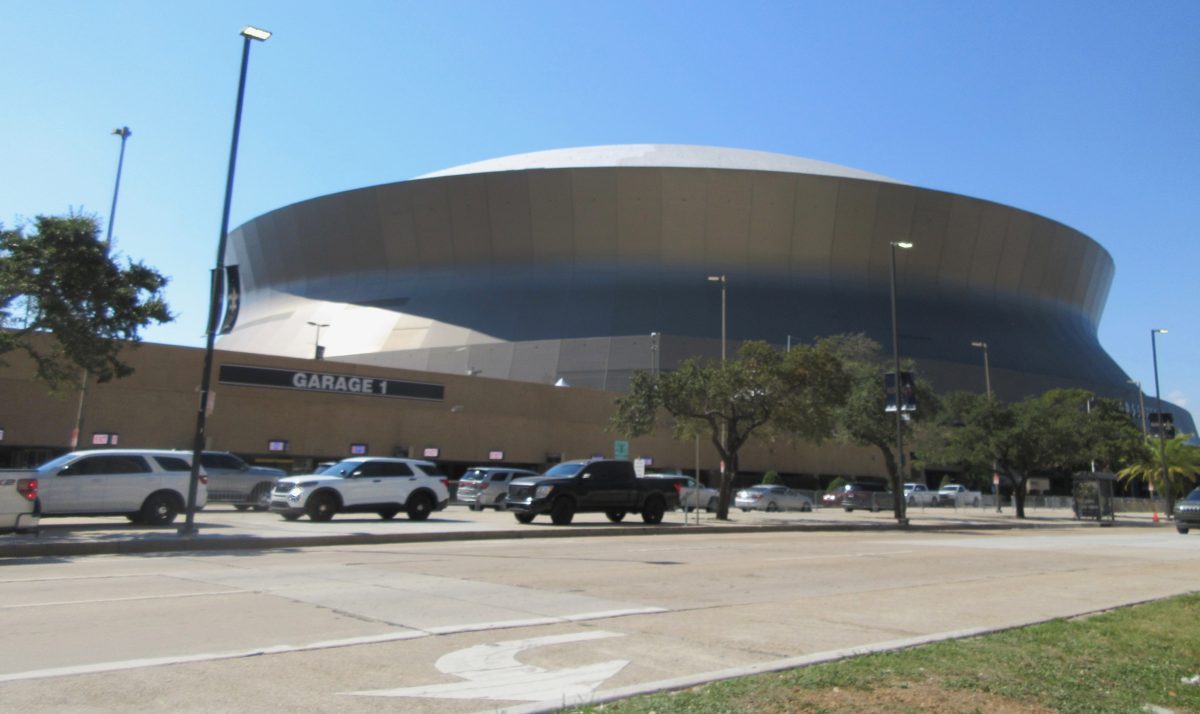
Super Bowl XXIV ranks second as the most forceful example of sustained control in this shortlist. On 28 January 1990, the 49ers defeated Denver 55–10 at the Louisiana Superdome in New Orleans. Montana passed for 297 yards and five touchdowns and received his third Super Bowl MVP award. The game concluded the 1989 season, following the championship won in January 1989 for the previous season. These dates matter because the consecutive Roman numerals do not mean two championship games in the same season. The victory's appeal is the repeated execution that created the separation, rather than a single late play that rescued the result.
The halftime score was 27–3. That is a useful checkpoint because it shows that the final margin was built through the game, not produced only by an isolated burst at the end. A viewer can compare the first-half possessions with the opening of the second half and see whether the pattern continues. The goal is not to assume that every later score carries the same competitive weight as an early one. It is to understand the sequence that made the contest increasingly one-sided. Keeping the score and time together allows admiration for the performance without turning a large total into a substitute for reading the game.
Scoring throughout the roster
Jerry Rice caught three touchdown passes as part of a seven-catch, 148-yard performance. Tom Rathman also scored twice, while John Taylor and Roger Craig contributed touchdowns. This spread of finishing contributions matters to the interpretation. Montana's five passing scores summarize an extraordinary part of the game, but the team story does not end with the thrower. For a useful introduction, identify one scoring connection and then ask what the available record establishes about the sequence around it. Do not fill a gap in a highlight with a confident account of a defender's thoughts or an unseen assignment. The documented achievement is impressive without invented explanation.
The defense belongs beside the offensive display. San Francisco's account records Denver quarterback John Elway being held to 108 passing yards, with two interceptions. Those facts help explain why the margin continued to grow: the opponent's response was constrained while the 49ers kept converting their own opportunities. A championship blowout can therefore teach a different lesson from a comeback. It is about maintaining a pattern across many possessions. That does not mean a large margin identifies the greatest team in every hypothetical matchup, or that the opposing roster should be dismissed as if reaching the championship had required no achievement of its own.
Why dominance can deserve first place
Our second-place choice makes the ranking's priorities visible. If you define the greatest win as the clearest exhibition of superiority on the day, XXIV has an excellent case for first. We give XXIII the edge for the pressure and resolution of its ending. Neither argument changes the 55–10 result or diminishes the performance required to produce it. The later exterior photograph of the Superdome identifies the venue, not the crowd or appearance on championship night. Its 2024 date is explicit, so the illustration cannot quietly become supposed photographic evidence of a game played more than three decades earlier.
Second place rewards a complete, sustained statement. Compare it with XIX to see two different degrees of control, then with XXIII to separate dominance from drama. A fan may prefer the feeling of certainty created by repeated success to the nervousness of a final drive. That preference is a legitimate editorial criterion when it is named openly. The game's lasting value is that the performance was built repeatedly, through offense and defense, rather than depending on one famous instant. It invites a precise question: would you rather introduce this era through its most decisive display, or through the game that made every remaining yard feel consequential?
Source: San Francisco 49ers · Pro Football Hall of Fame.
Photo: Infrogmation · CC BY-SA 4.0. Superdome exterior, 28 October 2024; later venue illustration, not the 1990 game. Later venue illustration, not championship action. Resized and recompressed without cropping; original license retained.
