
A computer museum can make an invisible process visible. A punched card, a mechanical calculator or a room of cabinets invites questions that a sealed smartphone rarely answers: where is the information stored, how does an instruction reach a machine, and what does the operator actually do? The best visit leaves you with a way to think about those questions, rather than only a photograph of an old keyboard. This countdown compares ten places in Europe and the United States where computing history becomes an engaging public experience.
Our reference date is 27 October 2026. This is an editorial shortlist for a curious first-time visitor, not a census of every collection or a ranking by floor area. We prioritize the breadth and clarity of the historical story, the chance to understand machines through interpretation or supervised interaction, and the distinctiveness of the material. We then consider practical public access. These are qualitative judgments: no visitor survey, laboratory test or numerical scoring system underlies the order. Geographic coverage reflects this selection, not a claim that other regions lack important computing heritage.
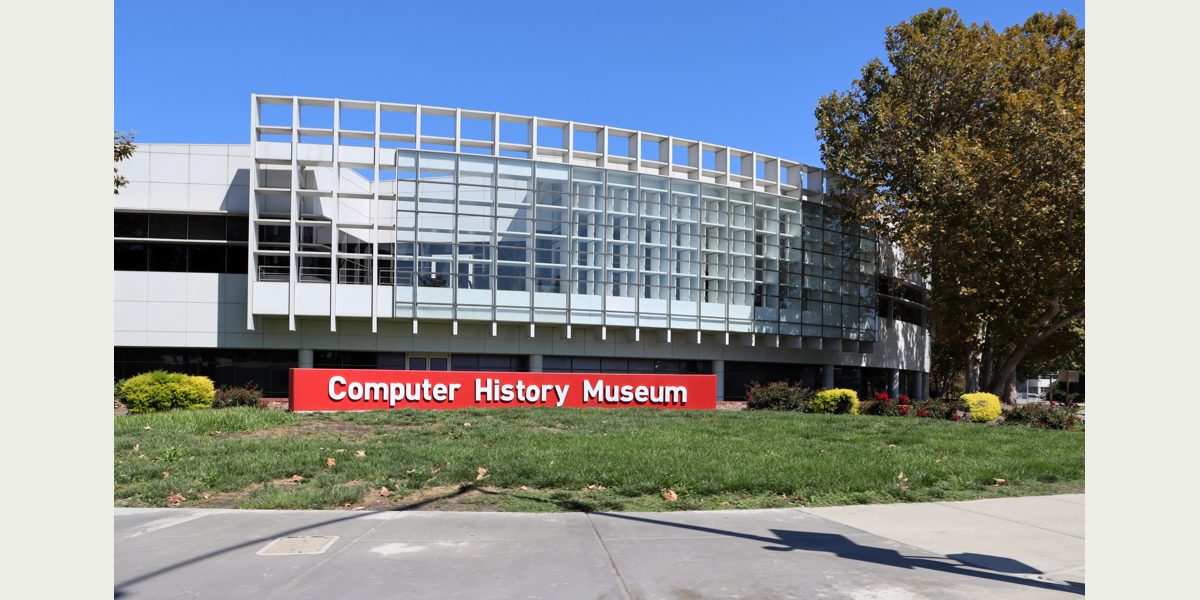
The Computer History Museum in Mountain View takes first place because its broad story connects hardware, software and everyday consequences. The National Museum of Computing is a particularly strong alternative for people who want historic machinery explained in operation. The Heinz Nixdorf MuseumsForum makes an equally persuasive case if your central question is how information technology fits into a much longer human history. A player who wants to use familiar home systems could reasonably put Helmond or Leicester ahead of all three. Different goals should change your personal itinerary.
Several labels need care. Bletchley Park and The National Museum of Computing are separate organizations on the same estate, with separate admission arrangements. We include both because one emphasizes the people and setting of wartime codebreaking while the other develops a longer technical narrative. A reconstruction is evidence of a preservation project, not an untouched wartime original. Likewise, a working display does not mean every object can be handled. Ask staff before touching anything; a machine behind a barrier may be fragile, electrically hazardous or simply unavailable for demonstration.
Before arranging a journey, open the official source linked on each entry. Check the actual calendar date, last admission, exhibition access, guided-tour language and step-free route. School groups and restoration work can change what is available. A free general exhibition may still charge for a booked tour. We avoid publishing a price table that could become misleading, and the historical photographs identify their dates rather than promising today's room arrangement. In Lausanne, for example, the museum distinguishes ordinary access from advance guided-tour bookings; in Cambridge, opening arrangements vary between school holidays and term time.
For a more rewarding visit, choose one question and follow it through several objects. Compare how a mechanical calculator and a home computer accept input. Look for the difference between a storage medium and the device reading it. Ask how a program survives when its original hardware fails. A photograph of an object label, where photography is permitted, can be more useful later than a wide shot of a room. Our operating-systems ranking and retro-console guide offer related starting points for the software and gaming sides of this history.
This list belongs in Technology because its central subject is how people built, used and preserved computers; the travel element helps readers encounter that subject in person. Start with a nearby institution rather than treating the order as a reason to cross an ocean. After the countdown, which matters most to you: seeing an important original object, understanding a working reconstruction, or trying a machine yourself?
Reference pages: Computer History Museum · The National Museum of Computing · Centre for Computing History · Musée Bolo.
Image: Computer History Museum building, Mountain View; 1 September 2025 — Coolcaesar · CC BY 4.0. Downscaled and placed on a neutral canvas; JPEG recompressed without cropping or upscaling. Original rights retained; no endorsement implied.
