
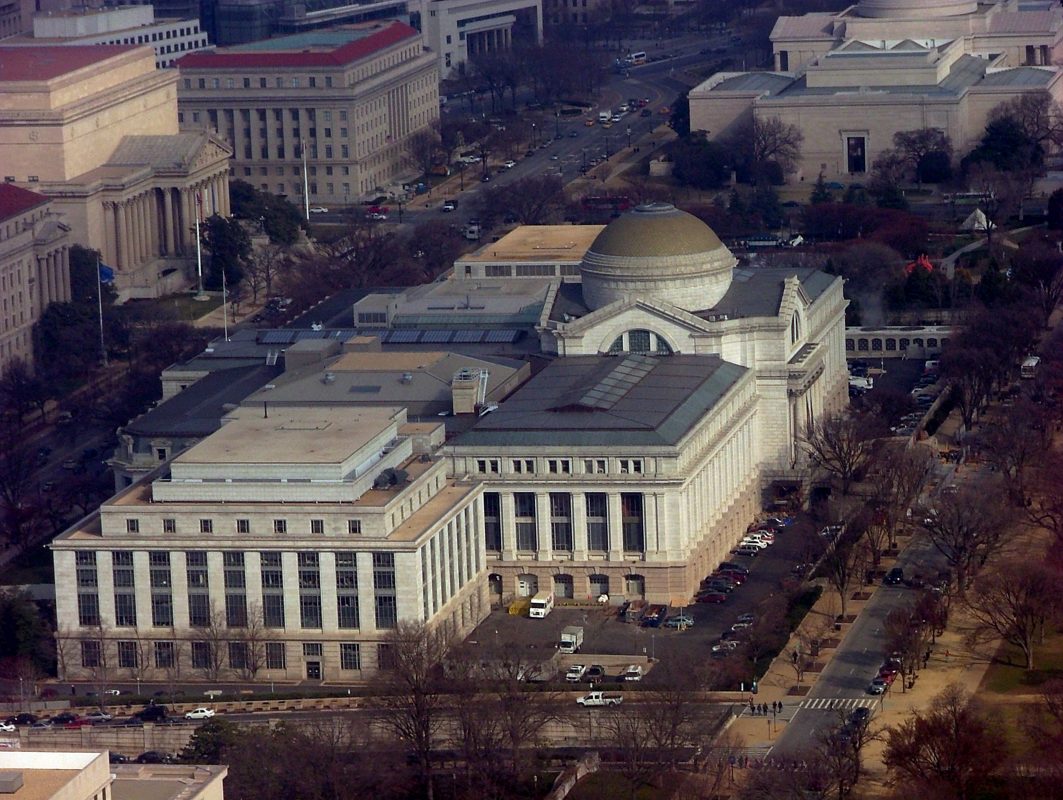
Which free museum should you visit first in Washington, DC? For a first-time traveler with one day and a broad range of interests, our pick is the National Museum of Natural History. The Air and Space Museum and National Gallery of Art follow. These are editorial choices, not measured visitor scores or a claim that other collections matter less. We weigh breadth for a newcomer, the clarity of a first visit, and practical access in the central city. A family fascinated by aviation, an art lover or someone focused on African American history could reasonably choose a different winner.
The ten places are museum destinations in Washington, DC, with free general admission, checked on 5 November 2026. The Smithsonian includes most of them; the National Gallery of Art is a separate institution. Our list does not include the Air and Space Museum's Udvar-Hazy Center in Virginia, even though that is a worthwhile second location. We compare the Washington museum itself. Free general admission does not necessarily make food, special programs, transport or every additional experience free. Exhibitions, access arrangements and opening hours can change, so check the official page immediately before your trip.
Two planning details can change your day. At the time checked, the Smithsonian's central visitor guide says the Washington Air and Space Museum and the African American History and Culture Museum require free timed-entry passes. Other Smithsonian museums on our list do not generally require general-admission passes; individual events may have different arrangements. The National Gallery says no passes are needed for its galleries and exhibitions, although some events need registration. A pass is a way to manage entry, not a paid ticket. Availability can be limited, and a reservation is not proof that an individual gallery will be open.
Start by choosing a subject, then group nearby stops. Much of the list sits around the National Mall, while the National Portrait Gallery is in Penn Quarter. The Mall is a long outdoor space: a map that makes buildings look adjacent may hide a substantial walk, especially in rain or heat. A thoughtful short visit can beat a hurried attempt to cover ten museums. Allow time for security screening, restrooms, a break and the journey between entrances. Accessibility, group policies, dining and transportation can vary by venue; the current official visitor page is a better guide than an old social-media itinerary.
The order makes a useful disagreement possible. Natural history takes first for its range of approachable subjects, while Air and Space could lead for a traveler whose main goal is flight and space exploration. The National Gallery's art across two buildings makes a strong case for first if close looking is your priority. African American History and Culture offers a focused national history that could be the most meaningful stop for another visitor. A lower rank is not a verdict on a collection's importance. It reflects the particular broad first-visit task we set ourselves, with time and admission logistics also considered.
Our images are historical photographs of buildings and surroundings, not a promise of today's entrance, construction status or gallery display. The Hirshhorn image is a stitched panorama. Check each caption and source for the image context. For another free-museum itinerary, compare our free London museums; for a broader cultural trip, see European art museums. Read from ten to one and make your own plan: would you spend your first free museum visit with natural history, aviation, art, or a more focused history?
Sources: Smithsonian visitor guide · American Indian Museum · American History Museum · African American History and Culture Museum · National Gallery of Art · Air and Space Museum · Natural History Museum.
Photo: Amanda · CC BY 2.0. Image resized without cropping or upscaling and recompressed; linked license retained. No endorsement implied.
