
The Regent's Park takes third because it offers a strong balance between a clear first-visit focus and room to choose a different pace. Formal gardens, water and broad park spaces can all contribute to an outing, but they do not have to become one giant circuit. The Royal Parks groups The Regent's Park and Primrose Hill on its visitor site, which is useful for planning but should not make a visitor assume that every part belongs to one seamless short walk. This ranking gives the main park its place for variety and visual interest, while treating a hill extension as a separate choice rather than a requirement.
Queen Mary's Gardens provides a natural focus for someone who enjoys designed planting and smaller-scale detail. Select an entrance with the official map and build a route that leaves enough time to pause rather than simply pass through. A formal garden can be appreciated through layout, beds and the relationship between paths even when a famous flower is not at peak season. Do not promise yourself a summer rose display during an autumn outing. What remains useful is the structure: how a path frames a view, how planting divides space and how the garden creates a different pace from the wider park around it.
Water, gardens and separate attractions
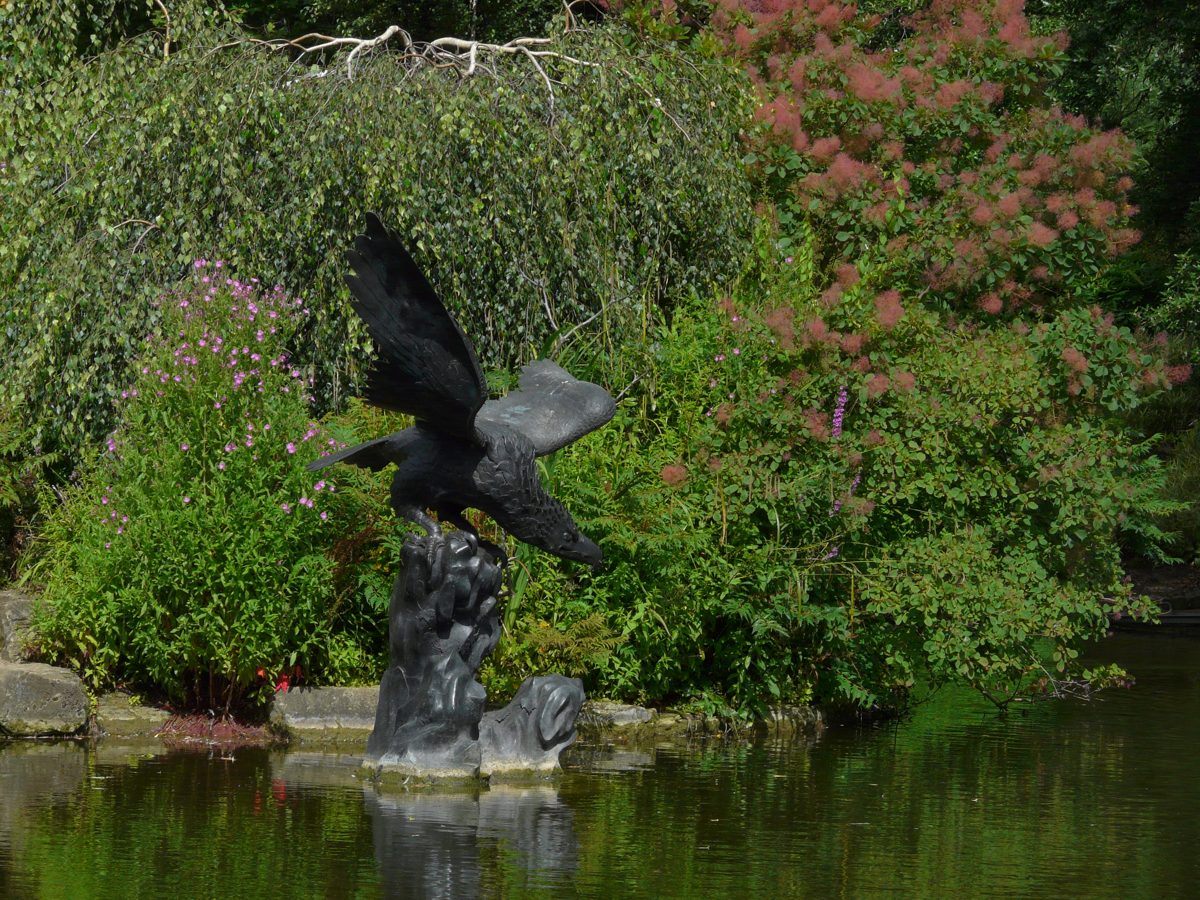
The lake offers another possible emphasis. Instead of adding every waterside stretch to a garden route, choose whether water or planting is the main event and let the other be an optional extension. This makes the visit more flexible for a group whose interests differ. A lakeside pause can be a place to compare reflections and open sky, while a garden sequence rewards closer looking. Both are ordinary walking experiences; neither requires hiring a boat. The photograph accompanying this entry records one part of the gardens, not the whole park or a guarantee of a particular display, and it should not determine the exact line of your outing.
The park is associated with several attractions and activities whose arrangements are separate from an ordinary outdoor walk. A zoo visit, a performance, a sports booking or boating should be checked and budgeted on its own terms. Their presence can enrich an itinerary without becoming evidence that the whole outing is free. This distinction also helps you decide how much time to reserve: an attraction can become the centre of the day, while the park walk serves as a quieter approach or conclusion. For this ranking, the landscape must work without those extras, and The Regent's Park does so through its variety of spaces and its capacity to support a modest, self-guided visit.
Make a hill extension deliberate
If Primrose Hill is the main reason you are interested, plan for it explicitly. A hilltop viewpoint has different terrain and a different route from the main gardens, and the connection should be checked rather than assumed from the shared visitor-page title. Do not add a climb simply because it looks close on a city map. Autumn daylight and a group's energy can make a smaller garden-and-water visit the better decision. Likewise, choose current access guidance over a generic promise of easy walking. A park with several landscape types may contain a comfortable route for you, but the specific surface and entrance still matter.
Third place rewards variety without giving scale the deciding vote. Hyde Park wins a narrow advantage for a particularly straightforward central water walk, while St James's Park is stronger for a compact first impression. The Regent's Park could reasonably be first for someone whose main interest is gardens. Choose it when you want to notice both detail and space and are willing to define one manageable focus. The best version of the visit is not a complete inventory of attractions, but a walk in which the garden, lake or open ground has time to become a place rather than another item in a busy sightseeing schedule.
Source: The Royal Parks.
Photo: Queen Mary's Gardens, Regent's Park (7669072762).jpg · Loz Pycock from London, UK · CC BY-SA 2.0. Archive illustration, not a report of current weather, foliage or access. Resized and recompressed without cropping; original image license retained.
