
A United States midterm congressional election takes place halfway between presidential elections. It renews the House and the relevant Senate class rather than choosing a president for a new regular term. USAGov identifies November 2026 as the next midterm cycle in its current explanation. We rank this term first because it frames the entire article: it tells a beginner what kind of national political event the coverage concerns. Without that frame, campaign arguments about a president can make the election sound like a direct presidential contest even when the offices actually on the ballot are different.
Imagine an invented headline describing the midterms as a test for the president. That is an interpretation of political significance, not a literal description of a regular presidential election. A reader can understand why journalists discuss the administration while still asking which offices voters are choosing. The distinction keeps analysis and electoral structure separate. A congressional outcome may affect the political environment in which a president governs, but it does not mean that the president's regular term is being directly contested through the congressional ballot. The metaphor needs to remain a metaphor when the story is summarized.
The cycle also contains many separate contests. The House's regular voting seats return to election, while Senate terms are staggered. State and local elections can share the broader period without becoming the same institution. A national map may therefore combine a great deal of information under one familiar label. Identify the office and constituency behind each result. Midterm tells you where the election falls within the presidential cycle; it does not erase differences among races or turn a collection of local electorates into one uniform national vote with a single candidate list.
This scope explains why the article does not supply voting instructions. A reader may understand the cycle perfectly and still need current official information about a specific ballot, location or process. Definitions help interpret the news; the relevant state or local election office handles the practical details that apply to a voter. Do not use an international explainer as a substitute for those instructions. The EAC also cautions that election terminology and procedures can vary by jurisdiction. Recognizing the broad cycle should make you more attentive to those details, rather than more confident that one national shorthand settles them.
The term has limits as political evidence. It does not predict turnout, determine a party's future seat total or prove that a result has one single cause. Claims about a national mood require an explained method and evidence. A successful candidate in one contest and a broader story about the whole country are related subjects, not identical facts. A reader can take the national interpretation seriously while asking how it follows from the results. That question remains useful whichever party benefits, because the distinction between observation and interpretation should not depend on a preferred political outcome.
First place belongs to the frame that makes the other nine terms easier to place. Once you recognize the cycle, identify Congress, distinguish House and Senate, locate the district or state, recognize the election stage and read the status of any result. You do not need to master every rule to improve one sentence. Which term would you teach first to someone following United States coverage from abroad: midterm, Congress or unofficial results? A different answer can be reasonable if it explains the reader's need. The goal is informed understanding, not a vocabulary test that substitutes confidence for context.
Sources: USAGov: congressional elections · FEC: election information.
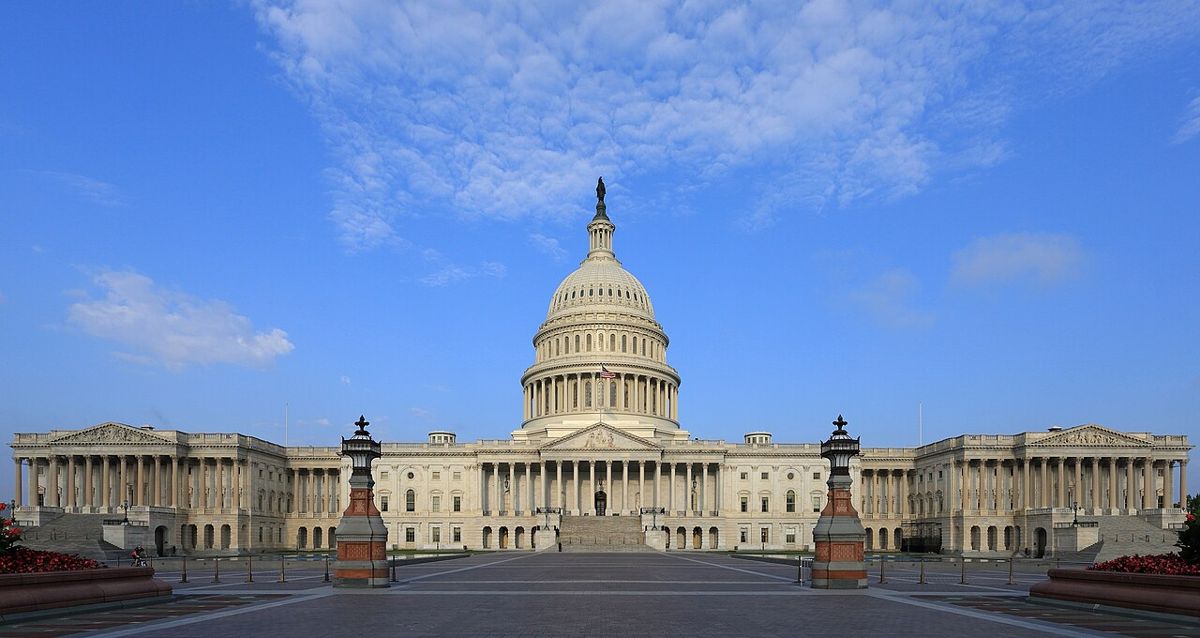
Photo: Martin Falbisoner (US Capitol east side.JPG) · CC BY-SA 3.0. United States Capitol east front, 2 September 2013; historical institutional context, not a record of the 2026 election or the invented examples. Existing optimized JPEG reused unchanged; earlier resizing and recompression retained. Image derivative retains CC BY-SA 3.0; no endorsement implied.
