
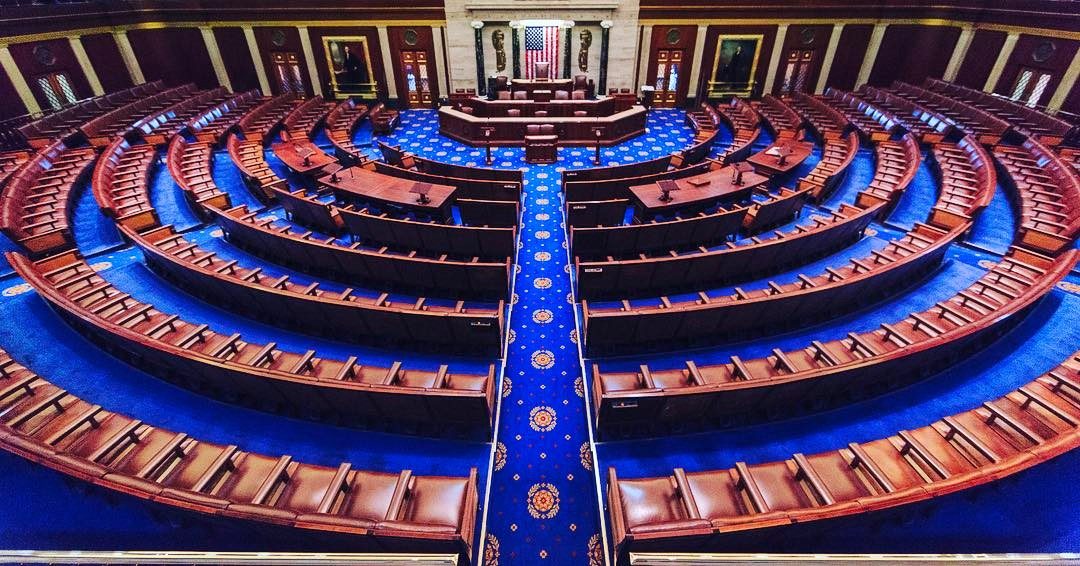
The United States House of Representatives is one chamber of Congress. Its 435 voting seats represent districts, and representatives serve two-year terms. All those seats are regularly contested in both midterm and presidential election years. The House's official explanation distinguishes voting representatives from delegates and the resident commissioner, so the familiar number should not be treated as a description of every person associated with the chamber. We rank House third because its complete two-year electoral cycle makes it central to understanding what a midterm changes, while its district structure explains why national coverage contains so many separate contests.
Imagine an invented national headline about a party gaining House seats. It describes outcomes across district races, not one nationwide ballot on which every voter selected the same list. To understand the statement, follow the seat totals back to the relevant contests. A national political interpretation may be reasonable, but it is an interpretation of multiple elections. That distinction helps a reader see why a close race in one district can matter to the composition of the chamber without making the district's voters a representative sample of everyone in the country.
The two-year term also means that election coverage returns frequently to the same institution. A representative may seek another term, leave the position or face a different candidate field. The cycle is a structural fact; the reasons behind an individual campaign are separate reporting questions. Do not infer a person's motives from the existence of a contest. The term House tells you which office is involved and how that office relates to a district. It does not tell you whether a campaign argument is persuasive or whether the officeholder's record deserves approval.
Be careful with the word representative in a translated story. It can function generally for someone speaking on behalf of others, while House of Representatives names a particular federal chamber. The surrounding sentence should make the level clear. A state legislature may also use familiar chamber language, so identify whether the report concerns Washington or a state institution. This guide's entry concerns the federal House. A reader who preserves that distinction is less likely to combine unrelated seat totals or assign a state election result directly to the composition of the United States Congress.
The House is part of lawmaking, but gaining seats is not identical to completing a policy program. A news report may discuss the political opportunities that follow an election, and those claims need the relevant procedural context. This vocabulary guide does not turn a seat gain into a promise about what legislation will pass. Separate membership, organization and policy outcome. A candidate's victory changes who can participate in the institution under its rules; it does not erase the other institutions and processes that affect the eventual result. That separation makes campaign promises easier to read critically.
A useful note identifies a federal House race, its district and the status of the result. It distinguishes the election of a representative from the broader argument about national control. The term earns a high position because it links a concrete constituency to one of the major institutions being renewed during a midterm. It remains only a starting point: evaluating a candidate, a map or a proposed law needs additional evidence. For the beginner, however, knowing that House means a particular chamber with district seats prevents a large family of misunderstandings before the political analysis even begins.
Sources: House: institutional explanation · USAGov: congressional elections.
Photo: United States House of Representatives or Office of the Speaker of the House (United States House of Representatives chamber.jpg) · Public domain. United States House chamber, 27 February 2017; historical institutional view, not the Senate, a current sitting or an election result. Orientation normalized and recompressed without cropping or upscaling; public-domain status retained, no endorsement implied.

