
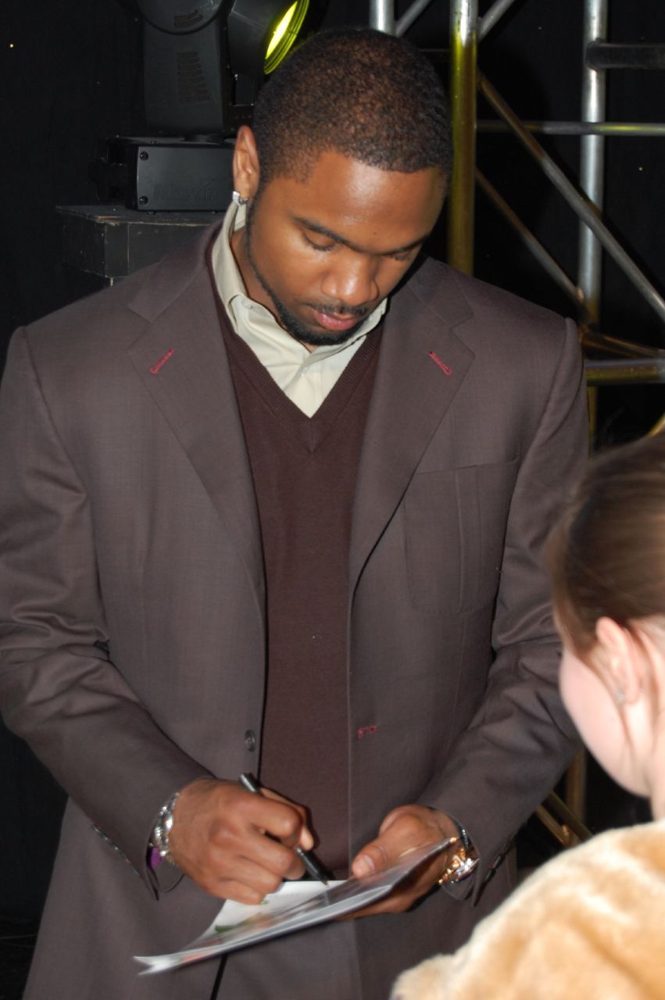
Charles Woodson is our first choice because we prioritise a primarily defensive foundation that also reaches into other phases. The Heisman Trust identifies him as Michigan's 1997 winner at cornerback. Its table records seven interceptions before the bowl, eight including it, alongside receiving and return contributions. That evidence supports a broad case without pretending he played every role equally. We rank the Heisman-winning college season rather than his later professional achievements, and we do not use the award itself as an automatic proof that his season must defeat the other two Michigan winners in this editorial comparison.
The difficult part of evaluating a defensive player is deciding what counts when the most valuable outcome may be an opportunity that does not develop. An interception is visible and recorded, but it does not describe every relevant decision around coverage. We therefore avoid inventing target, avoidance or efficiency figures. The argument is narrower: a cornerback's central responsibilities belong in a discussion of individual excellence even when they cannot be represented by the same numbers as a receiver's work. The source confirms the role and selected outcomes; our preference for that kind of foundation is the editorial step that follows.
His contributions in other phases strengthen the case, but they need careful language. Versatility is not a contest to list the greatest number of positions or suggest identical workloads everywhere. A primary role can remain clear while selected contributions elsewhere change how a season is understood. That is why Woodson leads our criteria rather than merely winning a novelty category. We value the combination of a defensive identity and additional ways to affect a game. Readers who prefer to reward a season's most concentrated offensive excellence may instead find Howard's argument more direct, and that is a credible competing brief.
The interception totals provide a useful example of factual discipline. Seven before the bowl and eight including it are not rival claims that require choosing whichever looks stronger. They describe different boundaries in the official table. Stating that distinction lets the evidence do its work without quietly changing the season under discussion. We do not turn either number into a measurement of every aspect of coverage or compare it mechanically with receiving touchdowns. Different actions have different meanings. A ranking can use numbers carefully while acknowledging that its final judgment cannot be calculated by adding unlike columns together.
The strongest objection is that an editorial preference for defensive breadth can become a shortcut just as easily as a preference for scoring. To avoid that, ask what the preference explains. Here it explains why the primary role matters, why additional phases strengthen rather than replace it, and why Howard remains a serious challenger. Harmon asks a different difficult question about historical responsibility. Neither opponent should be reduced to an obstacle placed behind a predetermined winner. We choose Woodson after stating the priority, and we would change the order if that priority changed. That transparency matters more than presenting an opinion as a settled historical measurement.
Choose Woodson first for the season that best fits our defensive-foundation-and-breadth brief. Choose Howard for a receiving-and-returning emphasis or Harmon for contextual all-purpose importance. The three cases remain strong because they describe different routes to individual recognition within a team sport. This result is not a forecast about Michigan now, a judgment of every player the programme has produced or a comparison of professional careers. It is a defined historical preference with an honest alternative. Does the most convincing Michigan Heisman season begin with changing an opponent's possibilities, or would you put offensive finishing or an earlier all-purpose burden above that foundation?
Sources: Heisman Trust 1.
Photo: Johnny from Milwaukee, WI · CC BY 2.0. Charles Woodson signing an autograph, March 2008; later portrait, not the 1997 season. Resized and recompressed, no additional cropping or upscaling; pre-existing source crop retained where present. CC BY 2.0 retained, no endorsement implied.
