
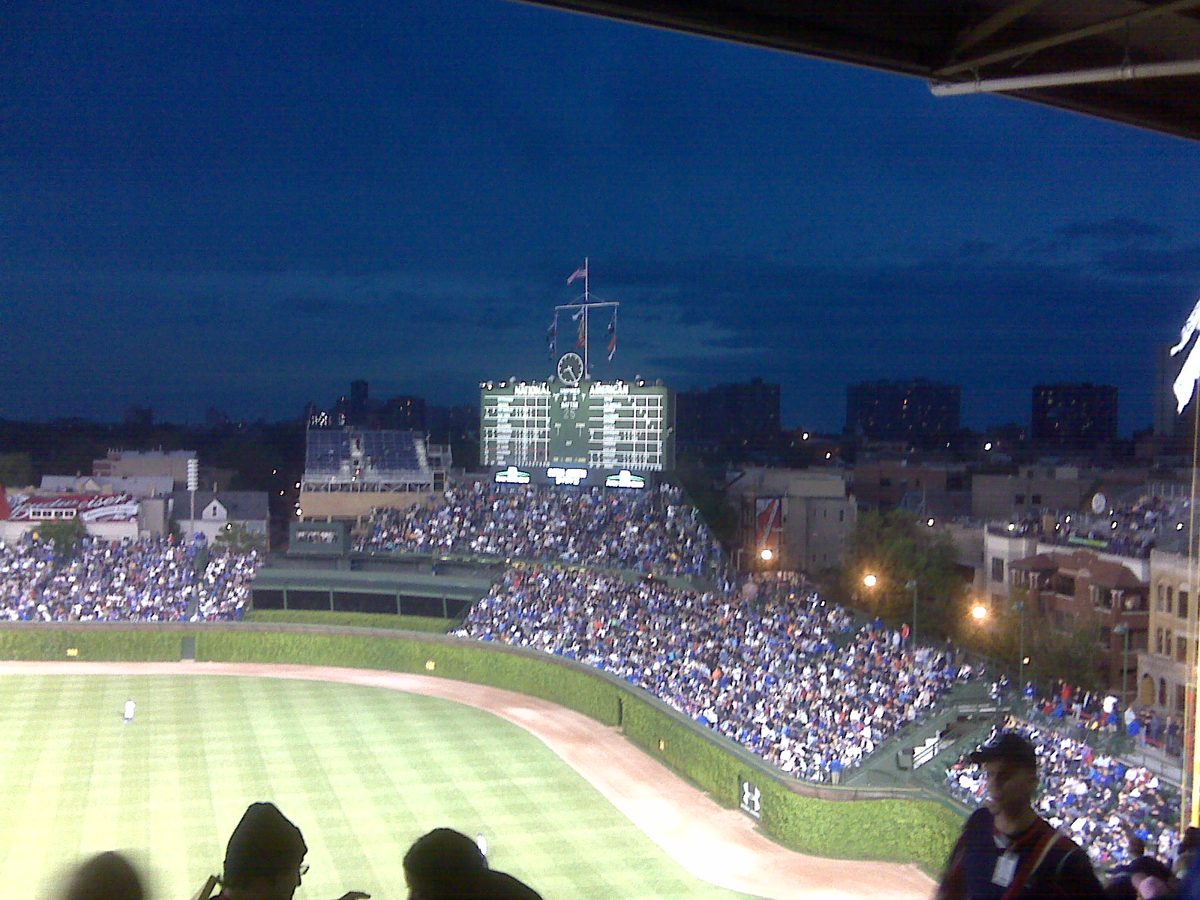
Wrigley Field ranks fifth because it makes the historical character of a baseball ground a central part of the visit. The Cubs' home was built in 1914, and its outfield ivy is a feature listed on the club's tour information. For a first-time visitor, the attraction is not merely being able to say you entered an old stadium. It is the chance to ask how a familiar sport feels when played in a setting with such a recognizable visual identity. That makes it a compelling choice even for someone who has no lifelong allegiance to Chicago.
Look at the contrast between the field's orderly geometry and the textures around it. Ivy, walls and seating can draw your eye differently from the giant open backgrounds of our waterfront leaders. Rather than trying to rank every detail while you are there, choose a couple to remember. One might be the view toward the outfield, another the way the stadium presents itself as you approach. A game photograph should explain those characteristics if place is your subject. A close-up of a player may be exciting, but it will not necessarily say much about why Wrigley mattered to your journey.
History and the exact ticket
Historic character also makes careful seat research worthwhile. Do not infer a perfect view from the age or reputation of a venue. Review the club's seating chart and any available seat information before purchasing, especially if uninterrupted sightlines are a priority. A lower position and a broad overview offer different pleasures. Discuss that distinction with your companions before comparing prices, because a bargain is only useful if it serves the experience you want. A first game with a curious newcomer may be better spent understanding the whole diamond than pursuing the closest possible seat to one favorite position.
The Cubs distinguish game-day and non-game-day tour routes, and say stops remain subject to availability. That is a practical reason to read the actual tour description rather than buying from a photograph of a dugout. If a particular space is the entire reason for your interest, confirm whether the offered product normally includes it and understand that operations can still alter access. A tour and a game can complement each other, but neither should be treated as a substitute with identical benefits. Decide which is essential before filling a short Chicago itinerary with both.
Arrival and a personal preference
Leave room for the approach and departure as parts of the experience. The official Cubs pages link transport information, so plan the journey using those details and the arrangements that suit your starting point. A crowded sporting evening can change how long simple tasks feel, even without a fixed estimate in this guide. Agree on where to meet after the game and how you will return. If your purpose is to absorb the setting, arriving in a rush works against it. A calmer arrival lets the visual identity of the ground register before the game demands your attention.
Wrigley could lead a list that prioritized historical atmosphere above everything else. It sits fifth here because our broader visitor criteria give extra weight to the leading venues' views and overall setting, while Fenway supplies an especially concentrated alternative for a history-focused trip. That difference is small enough for personal preference to reverse it. Choose Wrigley if its ivy-framed image is the one you have imagined for years, or if a Cubs connection makes Chicago meaningful. The most useful ranking is one that helps you recognize that preference and make a well-informed visit, rather than surrender it to somebody else's number.
Source: MLB / Cubs · MLB / Cubs.
Photo: Wrigley Field on May 29, 2008.jpg · Bryan McDonald · CC BY-SA 2.0. Archive illustration, not evidence of current facilities, weather, crowds or access. Resized and recompressed without cropping; original image license retained.
