
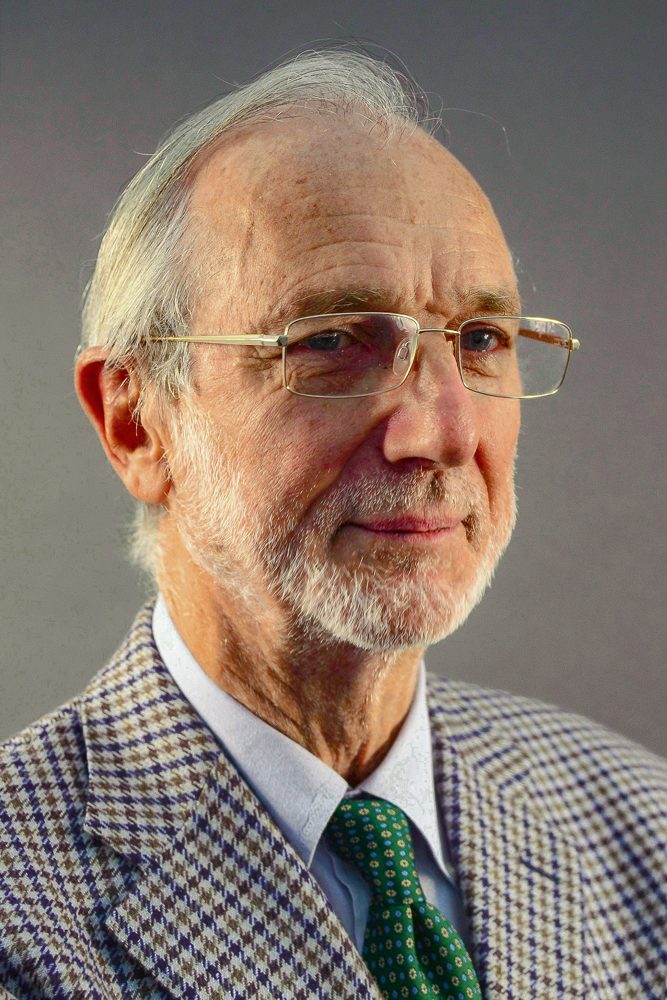
Renzo Piano ranks ninth for showing that technological invention need not produce a single repeated visual signature. The 1998 Pritzker laureate helped design the Centre Pompidou with Richard Rogers, but his career also includes the Menil Collection in Houston, Kansai's airport terminal and the Beyeler Foundation museum. The range makes him a useful starting point for a debate about architectural influence. An architect can matter by supplying a memorable shape, or by demonstrating how materials, light and construction can be adjusted to different programs. Piano's case is strongest in the second category, even though his early Paris project is exceptionally recognizable.
Compare the Pompidou with a museum environment that aims to concentrate attention on art. The first invites discussion of an institution's visible machinery and its relation to the city. The second encourages questions about daylight, proportion and the way a roof mediates between the outside world and the gallery. This is an analytical comparison, not a claim that every visitor has the same experience. It also avoids the false choice between technology and human feeling. Construction choices can shape how a room is encountered; the technical problem and the cultural purpose need not sit on opposite sides of an argument.
Museums and a different scale of movement
The Menil Collection is a particularly useful counterweight to the image of the Pompidou. Pritzker's selected works identify the Houston museum with 1987, while the Paris institution documents its own opening in 1977. Two buildings associated with the same architect can therefore become a lesson in resisting shortcuts. Ask what the art requires, how the building addresses its setting and which elements carry the architectural idea. Do not assume that a quieter appearance means less invention. A carefully controlled relationship between light and display may be harder to summarize in one dramatic photograph, but it remains a substantial design problem.
Kansai adds a different scale of movement. An airport terminal must organize large flows, orientation and the relationship between a building and transport infrastructure. The prize's archive dates the terminal to 1994. We do not turn that date into a claim about today's routes, access arrangements or operational performance. Instead, its value here is comparative: the same career connects a cultural machine, a museum and a transport building. Following that range helps the reader see why architecture cannot be evaluated only through decorative motifs. Different users and institutions create different tests of whether an idea is useful.
Adaptation as an alternative criterion
Ninth place reflects this ranking's preference for architectural propositions that strongly changed public expectations of form. Piano can rise much higher if adaptability, material intelligence and the integration of art with engineering become the main criteria. Rogers supplies a shared starting point, while Foster offers a comparison in large technical systems. Neither connection means one architect's later career is a derivative version of another's. A collaborative project can generate several distinct trajectories. Good historical reading keeps the shared beginning and the later differences visible at the same time, instead of giving the entire story to whichever name is most familiar.
For a practical exercise, put images of two Piano projects side by side and list their differences before listing their similarities. Then identify one problem each building had to address: displaying art, welcoming crowds, guiding travelers or meeting an existing city. This makes the comparison specific enough to challenge an easy ranking. The strongest case for Piano is not that he always looks different or always looks restrained. It is that his work encourages attention to the fit between technique and purpose. Readers who value that fit above an immediately identifiable silhouette have a clear reason to place him closer to the top.
Source: The Pritzker Architecture Prize · Centre Pompidou.
Photo: Cirone-Musi (Festival della Scienza, Genova)Color and edits by the uploader. · CC BY-SA 2.0. Renzo Piano — Genoa, 27 October 2012. Resized and recompressed without new cropping; existing source edits and license retained.
