
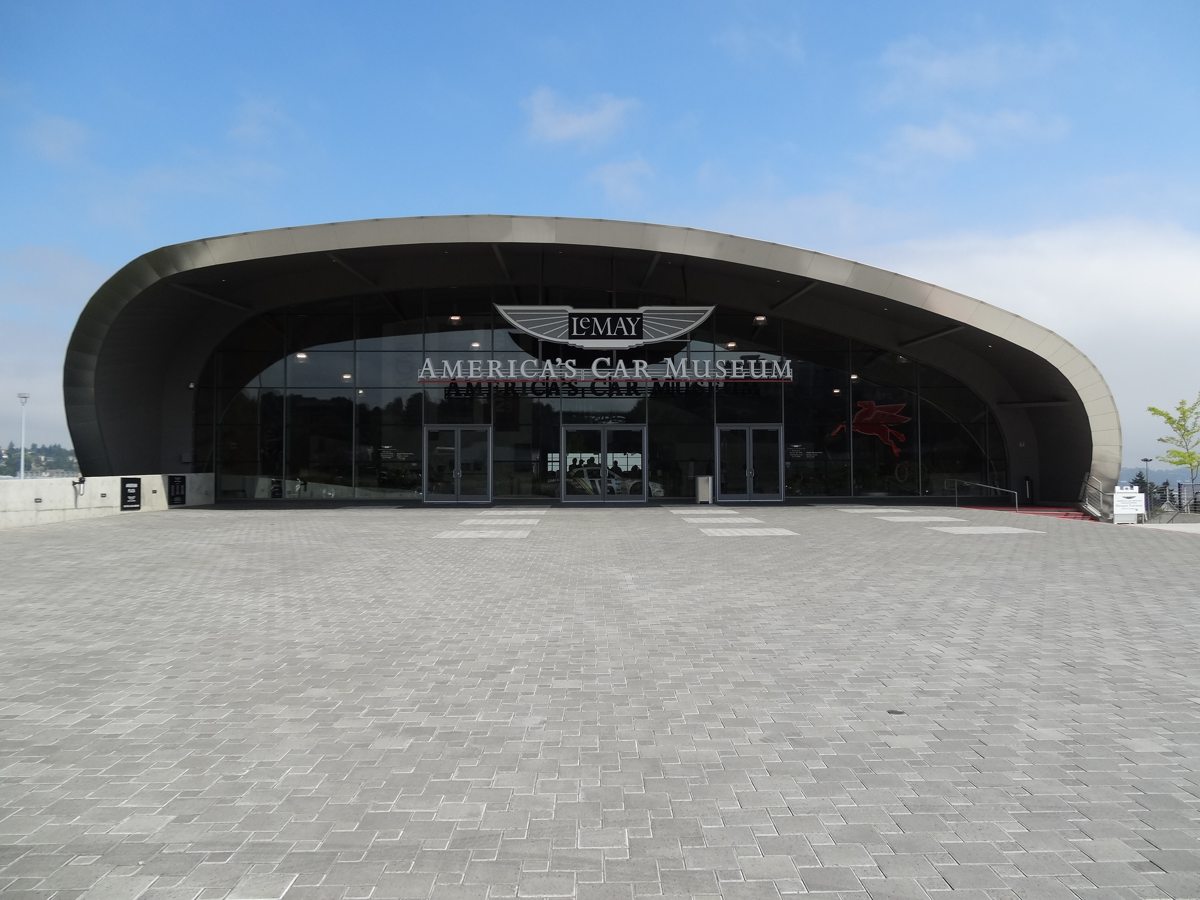
LeMay–America's Car Museum in Tacoma, Washington, starts the countdown because it makes a useful broad introduction to cars as cultural objects. Its published exhibition program combines permanent themes with changing displays, rather than presenting one manufacturer as the whole story. The museum's stated mission connects the automobile with history, technology and American culture. That combination suits a group whose members do not share the same favorite marque. One person can begin with body styling, another with the experience of motoring, and both can compare how a vehicle communicates something about the world in which it was made.
A helpful approach is to choose two cars with different intended roles before reading every label. Look at the relationship between bonnet length, passenger compartment and luggage space. Those visible proportions offer an initial question: what was the designer trying to provide, and for whom? The answer requires the exhibit's explanation, rather than guesswork based on polished paint. A grand body can suggest status without proving a particular owner's wealth or the car's commercial success. This kind of close looking makes a broad collection worthwhile even when visitors cannot identify the models from a distance or recite their specifications.
What to look for and plan
The official exhibits page lists Custom Coachwork among its continuing themes. That provides a reason to think about the distinction between a vehicle's mechanical foundation and the body that gives it a public identity. Treat coachbuilding as a design and production question, not merely a collection of extravagant shapes. How does the body organize entry, seating and sightlines? Which details appear to serve practical needs, and which express taste? A museum visit cannot establish the actual comfort or handling of an old car. It can, however, reveal how different builders represented those qualities through materials, proportions and the way they advertised their work.
LeMay's changing program is also a planning issue. A page describing a temporary show does not guarantee that the same vehicles will be available when your trip takes place. Start with the current exhibits list, then check tickets and the calendar for your date. Build your expectations around themes rather than one photographed vehicle. If you are taking children or visitors with particular access requirements, consult the museum directly about the relevant facilities and activities. The Tacoma institution discussed here should be identified by its full name and official address when arranging transport; the LeMay name appears in more than one automotive collection context.
The ranking and alternatives
Why does this broad introduction finish tenth? Our higher choices have more distinctive interpretive identities for a first-time visitor: Lane challenges familiar engineering assumptions, Auburn combines cars with their historic commercial setting, and the winner connects motoring to a wider material culture. That is a judgment about the learning proposition, not a claim that Tacoma's cars are inferior. If the Pacific Northwest is your practical destination, a well-prepared visit here can be more valuable than an expensive journey to a museum that narrowly suits someone else's interests. Geographic convenience can reasonably outweigh an editorial position in a national list.
For a focused visit, make a small comparison record in your own words: one feature you can see, one explanation supplied by a label, and one question the object leaves unanswered. A coachbuilt body might prompt you to ask how the original buyer influenced its form; an everyday vehicle might lead to questions about repair and repeated manufacture. Keeping those categories separate prevents a museum's atmosphere from becoming evidence for unsupported performance claims. LeMay earns its place because it offers a broad starting point for that habit of observation. Leave with a better question about ordinary motoring, not just a list of expensive cars you recognized.
Source: Official museum research and visitor information 1 · Official museum research and visitor information 2.
Photo: Stilfehler · CC BY-SA 3.0. LeMay entrance in Tacoma, 19 July 2013; historical exterior. Resized/recompressed with orientation corrected; framing retained, no AI or added color treatment. Image remains under the linked original license; no endorsement.
