
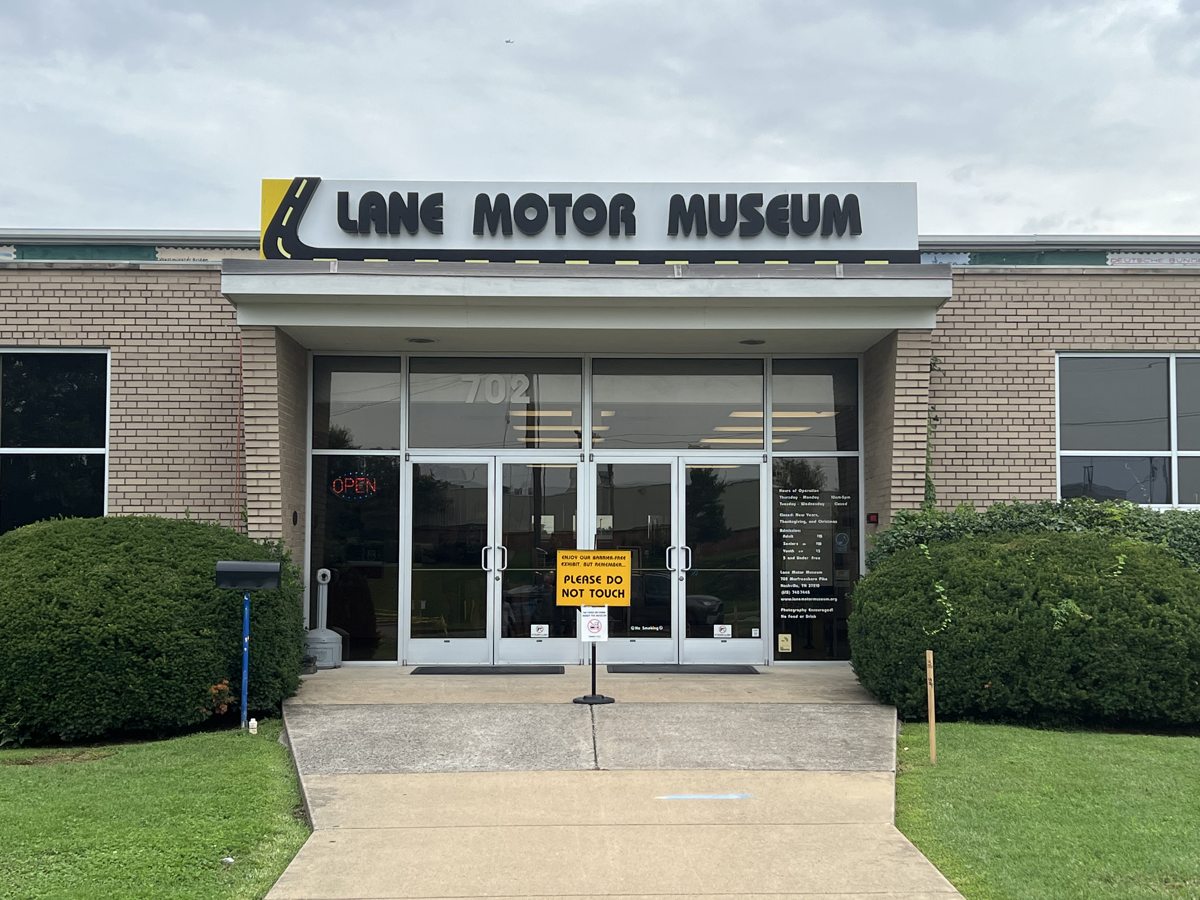
Lane Motor Museum in Nashville, Tennessee, ranks fifth for challenging the assumption that a car had to develop toward one familiar layout. Its official visitor information describes a collection that includes microcars, amphibious vehicles, prototypes and alternative-fuel designs, with a strong international dimension. The point is not simply that some vehicles look strange. Unfamiliar solutions can reveal the constraints that familiar cars make us overlook. A small body, an unusual wheel arrangement or a different way of entering the passenger compartment provides a practical question: what problem was this designer trying to solve, and what did that solution make harder?
A good starting comparison is passenger space against exterior size. Look at where occupants sit relative to the wheels and the mechanical components. A compact vehicle can suggest economy of space without proving that it was comfortable, safe or successful. Those judgments require the individual history and appropriate evidence. The museum's collection material provides examples of experimental and unusual arrangements, so use its explanations to test your first impression. Something that looks like a joke may reflect a serious attempt to work within cost, materials or regulatory constraints. Conversely, an ingenious mechanism does not automatically make a design practical for broad everyday use.
What to look for and plan
Lane describes itself as a working museum that aims to keep vehicles operational. That makes preservation a useful subject in its own right. An operating machine can demonstrate relationships between components that a static object cannot, but operation also involves maintenance, replacement and decisions about how to protect historical material. Visitors should distinguish seeing a vehicle run from proving its original performance or reliability. Ask what the demonstration is designed to explain. A carefully controlled museum activity is not a comparative road test, and the condition of a preserved example should not be generalized to every car of that type.
The official site advertises vehicle demonstrations and separate information about Vault Tours. Confirm the program for your date rather than assuming that every stored vehicle is on public display or that an extra tour is included with ordinary admission. The museum's own pages use different collection and display totals in different contexts, which is another reason this ranking avoids an exact car count. What matters for a visit is the accessible selection and its interpretation. If a particular model is the reason for travelling, ask about its availability directly. A searchable collection record is a valuable research resource, not a live inventory guarantee.
The ranking and alternatives
Fifth place places Lane above the more narrowly branded Corvette story because its range of solutions can start conversations among people with very different interests. We put Reno slightly higher for its broad historical setting, while Revs offers a stronger framework for sustained specialist study. Those are close editorial choices. Lane could reasonably be the winner for an engineering-minded visitor who wants to understand discarded alternatives rather than follow a parade of celebrated successes. Its appeal is especially strong when you enjoy asking why a design did not become standard, provided you allow the museum's evidence to answer instead of supplying a convenient failure story yourself.
To make the visit productive, choose one unfamiliar vehicle and list three visible design choices before reading the explanation. Then revise the list in light of what you learn about its purpose. Perhaps an unusual entry arrangement changes your assumption about usable space, or an amphibious design raises questions about compromises between different environments. Avoid treating novelty as the ranking criterion: the educational value comes from understanding a decision. Lane earns fifth because it can make the ordinary car look less inevitable. Leave with an appreciation of the range of problems designers tackled, including the serious thinking behind solutions that never became everyday sights.
Source: Official museum research and visitor information 1 · Official museum research and visitor information 2 · Official museum research and visitor information 3.
Photo: TaurusEmerald · CC BY-SA 4.0. Lane Motor Museum entrance, 27 July 2024. Resized/recompressed with orientation corrected; framing retained, no AI or added color treatment. Image remains under the linked original license; no endorsement.
