
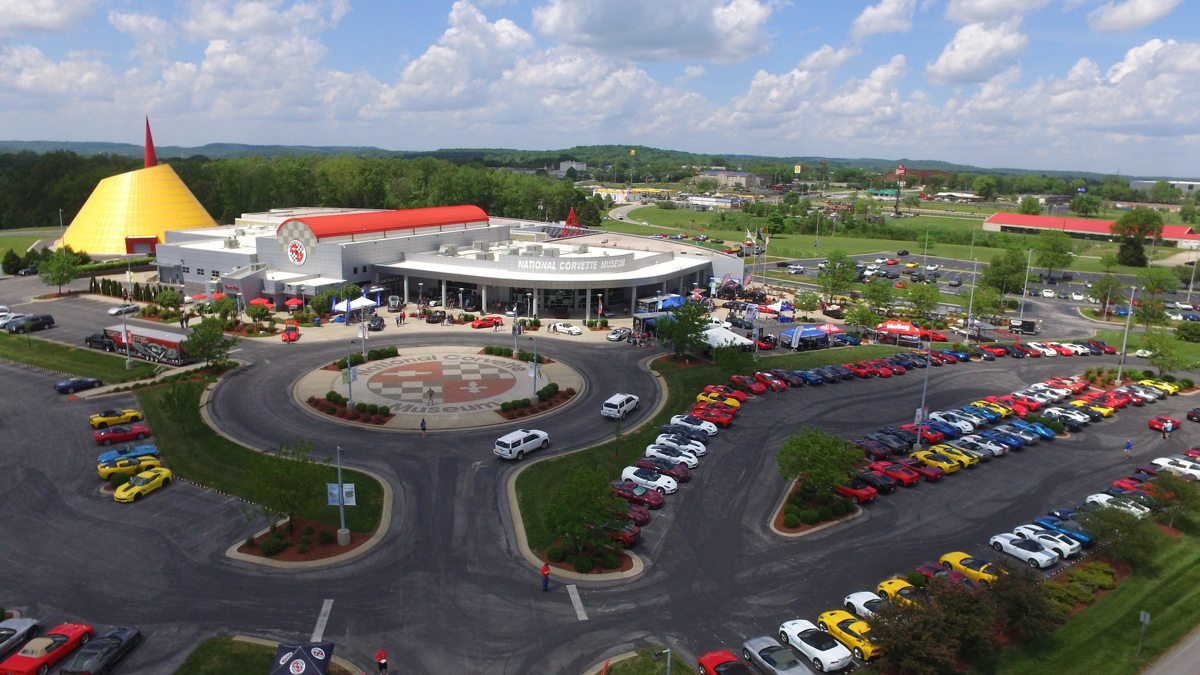
The National Corvette Museum in Bowling Green, Kentucky, ranks seventh because a single-model focus can make design change easier to follow. A broad collection asks visitors to compare unrelated manufacturers and markets; this museum gives them a continuing name through which to examine successive choices. Its official visitor and education pages make the Corvette the organizing subject. That can be helpful even for someone who does not own one or know the generation names. The main question becomes how a recognizable identity persists while the mechanical package, body language and expectations around a sports car evolve.
A useful route compares two periods through one feature. Look at the position of the cabin within the overall body, the shape of the roof or the way the driver sees the instruments. Then read the museum's explanation of the relevant vehicle before deciding what the change means. A dramatic appearance can suggest a new identity without demonstrating a measured improvement. Engine output, acceleration and the circumstances of a particular test need their own evidence. You do not need to turn the visit into a specification contest to see that sports-car design involves compromises between packaging, function, manufacturing and what buyers expect a Corvette to look like.
What to look for and plan
The institution's educational program is another reason to treat the visit as more than a brand shrine. A model with a long history provides a manageable set of examples for questions about materials, engineering and design decisions. Ask what an exhibit actually demonstrates and what it asks visitors to infer. A display of a component can reveal its form and location, but not by itself quantify the effect of a change on handling or reliability. When children are interested, begin with something visible and concrete, such as where a person sits or how a body opens, rather than requiring them to absorb an entire chronology before they can participate.
Planning needs particular care because the surrounding Corvette attractions are not all the same experience. The official visitor page distinguishes museum admission from its Collections Facility option and links separately to assembly-plant tours. Do not assume that a museum ticket includes a factory visit, an extra collection area or a driving experience. Confirm the actual package and date directly. This article avoids fixed prices because a cheap-looking headline amount can conceal a different scope of access. Decide first whether your priority is the museum's interpretation, a special collection visit or another experience; only then compare the relevant ticket choices.
The ranking and alternatives
Search interest provides a reason to explain location and planning clearly, not a reason to rank the institution above its competitors. In our October 2026 Trends inspection, the related question about where the National Corvette Museum is located was rising. The correct practical answer is Bowling Green, Kentucky, but a rising query says nothing about the quality of a display or the availability of a tour. Likewise, searches mentioning the museum's sinkhole should not be treated as proof of a current incident. Use the institution's own historical and visitor material for any event claim, and distinguish past events from present travel conditions.
Seventh place reflects the strength and limit of specialization. Corvette enthusiasts may reasonably put this museum first; a mixed group may want the wider range offered by Lane, Reno or Dearborn. For the best result, leave with a comparison that goes beyond recognizing a badge: identify one continuity across generations and one substantial change that the museum explains. Our classic American muscle cars ranking offers related background while covering a different category of vehicle, so do not assume every American performance car belongs to the same tradition. Bowling Green earns its place by making a focused design history accessible, with ticket distinctions that are worth understanding before arrival.
Source: Official museum research and visitor information 1 · Official museum research and visitor information 2.
Photo: RyanEichlerNCM · CC BY-SA 4.0. National Corvette Museum aerial view, 28 April 2016. Resized/recompressed with orientation corrected; framing retained, no AI or added color treatment. Image remains under the linked original license; no endorsement.
