
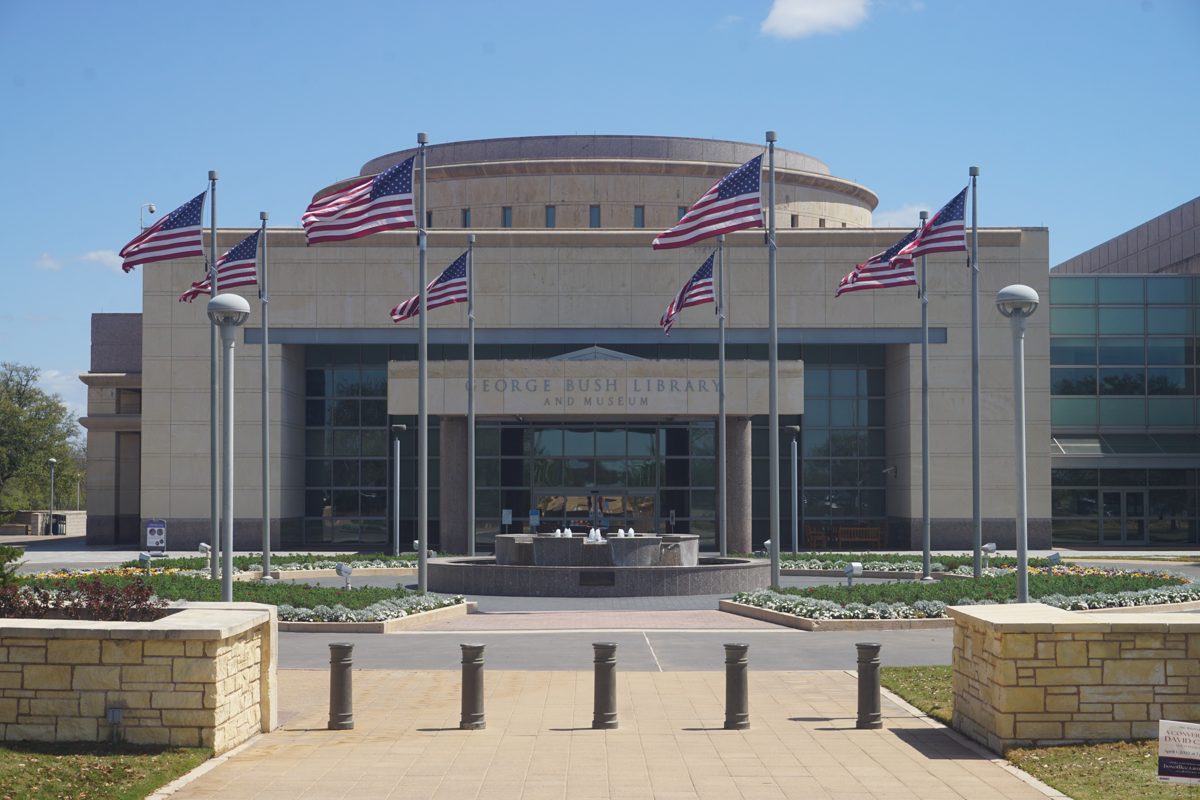
The George H. W. Bush Presidential Library and Museum in College Station, Texas, opens this countdown at number ten. It is the museum associated with the forty-first president, distinct from the George W. Bush institution in Dallas. Its permanent-exhibit descriptions trace influences and stages before the presidency as well as the public career. That makes it a useful place to ask how a museum connects biography with office. A visitor can follow a sequence of settings and roles rather than encounter the presidency as an unexplained destination reached only after a succession of campaign photographs and famous names.
One particularly approachable example is the restored 1947 Studebaker described in the museum's account of the family's move to Texas. The institution identifies it as identical to the car Bush drove, an important distinction between a representative object and the exact original. Use that detail to think about what a display is trying to explain. A vehicle can make a move across the country imaginable without proving every detail of the journey. Reading the label closely lets you enjoy the material example while keeping the historical claim precise. The most useful question is what this object adds to the story that a date on a timeline cannot.
Choose a historical question
The museum also describes campaign material and a representation of the Capitol within its account of Bush's congressional career. Those elements offer a route into the difference between seeking office and working within an institution. Look for the audience addressed by a campaign message, then consider what changes when a representative has to act among other elected officials. This is an interpretive exercise rather than a claim that one display explains every part of Congress. It encourages you to connect the personal narrative with the larger structure, where a career involves colleagues, procedures, constituencies and responsibilities that extend beyond the individual at the center of the exhibition.
Family material provides another way to keep the visit grounded. Photographs and letters can make a public figure's life feel more familiar, but familiarity should become a question rather than the end of interpretation. What does the item directly show? Who created it, and whom was it intended to reach? A private letter and a later caption serve different purposes even when displayed together. Families visiting with children can choose one object to describe before reading the explanation, then compare the initial impression with the label. This rewards observation without turning the day into a test of presidential trivia or requiring everybody to know the same historical references.
Plan around current access
Plan through the current museum visitor information and keep research appointments separate from ordinary gallery admission. The library's scholarly role and the museum's public route are related, but they are different uses of the institution. A special program may add another reason to visit on a particular date; the permanent story remains a useful starting point when that program does not fit your schedule. Our exterior archive photograph introduces the College Station site. It should not be read as a promise about a particular display, weather condition or future arrangement. Check the feature that matters most to your trip before building the rest of the day around it.
Tenth place reflects the stronger combinations of setting and interpretive routes offered by the museums above under our general criteria. For someone interested in how a varied public career develops before a presidency, the Bush museum can move much higher. Choose it to follow changes in role and to practice reading the difference between original evidence, representative objects and explanatory design. A good souvenir is a concrete observation about how a life becomes a public story. That observation can remain useful when the next museum uses a different set of objects to explain a president whose background, political style and historical circumstances were very different.
Source: George H. W. Bush · George H. W. Bush.
Photo: Michael Barera · CC BY-SA 4.0. Archive photograph; current exhibitions and access may differ. Resized and recompressed without cropping; source image license retained.
