
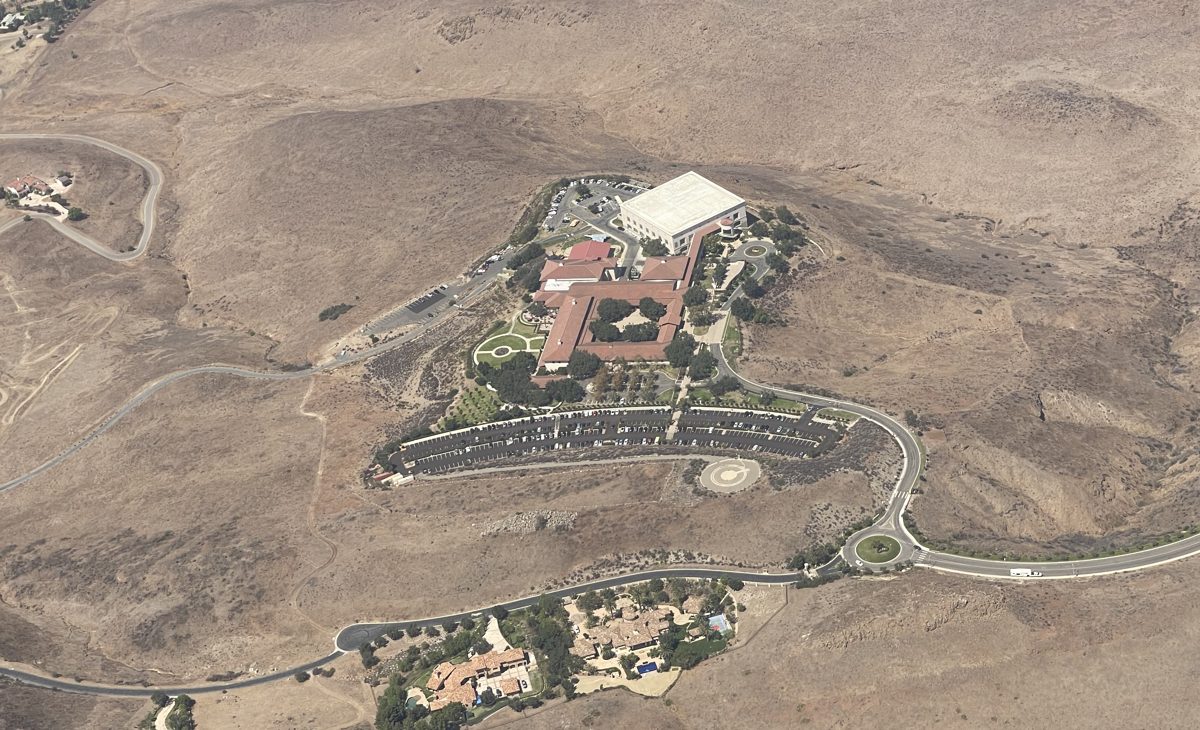
The Ronald Reagan Presidential Library and Museum in Simi Valley, California, takes fifth place for making the material scale of presidential work unusually memorable. Its Air Force One Pavilion provides a strong entry point: the aircraft is described by the institution as having served Reagan and six other presidents between 1973 and 2001. That wider service history is useful to keep in mind. A presidential museum may organize an object around one administration, while the object itself connects several periods. Understanding both layers makes the visit richer and helps distinguish an artifact's complete working life from the particular story a museum chooses to foreground.
An aircraft can explain something that a portrait or a speech cannot easily convey. It makes presidential travel a question of space, movement and work. Think about the relationship between transporting a person and sustaining an office away from its usual setting. Who needs to communicate, meet or prepare information? What does the physical arrangement encourage you to notice about that work? These questions do not require claiming that the aircraft alone explains a foreign-policy decision. They connect a large object with the practical conditions through which public leadership operates, which is a distinctive reason to choose this museum for a first visit.
Choose a historical question
Compare the aircraft with a smaller source in the museum rather than allowing it to become the entire experience. A photograph, document or account of a journey can explain why a particular trip mattered, while the aircraft helps you imagine its material setting. The two forms of evidence answer different questions. A useful personal exercise is to describe one thing you learned from the scale of the object and another that required words or context. This keeps spectacle connected to historical inquiry. The aim is not to diminish the pleasure of seeing something impressive, but to make that initial attention lead toward a more precise understanding.
The association with several presidents also invites a question about continuity across administrations. Institutions, equipment and working practices can outlast the people whose names dominate a museum title. Look for the places where the display makes that continuity visible. A family might discuss how an object can belong meaningfully to more than one historical story at once. This provides a shared subject even when companions differ in their political views or familiarity with the period. The conversation can focus on the evidence presented and the questions it raises, rather than requiring everyone to begin with the same verdict about a presidency.
Plan around current access
Use the current visitor information for the museum, pavilion and any specific access needs. The institution distinguishes the aircraft interior from the wider museum and grounds in its accessibility guidance, so a general statement about the site should not be treated as a guarantee about every part of the aircraft route. Guided programs and temporary exhibitions can have their own arrangements. Our archive image introduces the museum or its subject at the date recorded in the caption. It cannot establish the current position of every object or the operating conditions of a future visit. Check the feature that matters most before organizing the rest of your day around it.
Fifth place reflects a particularly strong material encounter, with the institutions above gaining an edge through broader interpretive combinations under our criteria. Reagan could be first for a reader interested in presidential travel, aviation or the relationship between an office and its working infrastructure. Choose it with a question that connects the large object to the work it supported. A memorable visit may begin with the aircraft, but it should leave you able to explain something more specific than its size: how movement, communication and the continuity of an institution become part of the history of a presidency and of the people who worked around it.
Source: Ronald Reagan · Ronald Reagan.
Photo: Platinummedia · CC BY-SA 4.0. Archive photograph; current exhibitions and access may differ. Resized and recompressed without cropping; source image license retained.
