
The Lady Vanishes begins from a simple disturbance of confidence: a passenger disappears, and the people around the person looking for her do not confirm what she remembers. Margaret Lockwood and Michael Redgrave lead the film, with Dame May Whitty as the missing woman. A train journey makes movement and confinement coexist. The vehicle keeps travelling while the central question becomes harder to settle inside it. We rank the film ninth because it handles that contradiction with wit and assurance, turning a social environment into an obstacle without sacrificing the pleasures of a comic thriller.
The most useful viewing question is not simply where the woman went, but why a group might resist acknowledging a troubling fact. Individuals have their own concerns, and those concerns shape what they are prepared to admit or investigate. That makes the surrounding passengers more than decorative suspects. Their presence gives the mystery a social texture. In our reading, the unease comes partly from discovering how inconvenient another person's experience can become to people who would rather continue their journey. You do not need to solve the plot to recognise the discomfort of being isolated by other people's apparent agreement.
Comedy changes the pressure rather than canceling it. The film can make someone amusing and still expose the limits of that person's attention or priorities. Watch how a scene moves from irritation to concern, and how quickly an ordinary exchange acquires another meaning when the central claim is in doubt. The tonal movement matters because uninterrupted solemnity would produce a different kind of experience. Here, entertainment and suspicion share the same compartment. The film's place in our ten rests on that balance, not on the proposition that lightness makes its anxieties less serious or its construction less exacting.
A credible argument would put it ahead of Rope or Shadow of a Doubt. It offers a particularly inviting combination of character, motion and a readily grasped premise. Someone choosing a first Hitchcock film might find it more welcoming than a darker or more formally restrictive work. Our ranking gives the others an advantage for the intensity with which their central relationships bear down on the viewer. That is a distinction between different strengths. It does not mean that a crowded ensemble is automatically less accomplished than a chamber piece or that an entertaining film needs more darkness to become important.
For a return visit, keep track of the changing alliances. Ask what each person would lose by taking the disappearance seriously, and what makes one response more convincing than another. This is an interpretive exercise, not an invitation to label everyone in a mystery dishonest before the film provides a reason. The pleasure lies in noticing how information and self-interest interact. A reaction that first looks incidental may matter more once you understand the whole shape. Rewatching can therefore shift attention from the missing person to the network of ordinary decisions that surrounds the search.
The Lady Vanishes is a good reminder that Hitchcock's range includes sociability and playful movement as well as dread. Its train is not just a device for trapping characters; it is a place where strangers must negotiate a shared reality. Pair it with The 39 Steps to compare two British films that turn travel into uncertainty, then notice how differently they organise their groups. Ninth place is not a minor compliment in this company. It recognises a film that can make a clear premise feel richly populated, with enough comic life that its suspense does not depend on a relentlessly threatening surface.
Sources: Film reference 1.
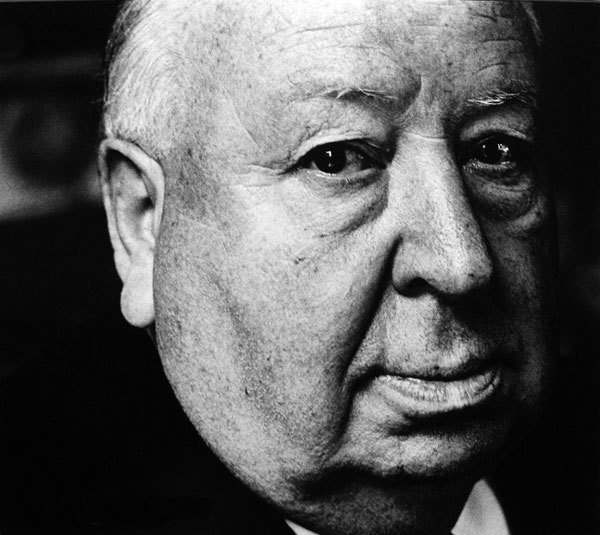
Photo: Jack Mitchell · CC BY-SA 4.0. Alfred Hitchcock photographed by Jack Mitchell, probably 1972; date uncertain, director portrait rather than a film still. Existing optimized JPEG reused unchanged; earlier resizing and recompression retained. Image derivative retains the stated license; no endorsement implied.
