
Rear Window takes an apparently limited situation and makes it expansive. James Stewart plays a photographer confined by an injured leg, watching neighbours across a courtyard; Grace Kelly and Thelma Ritter are essential to the world around him. The premise makes looking both the means of following the story and a subject worth questioning. We rank it third because the film keeps entertainment, curiosity and discomfort in unusually close contact. It offers a powerful case for first place if your preferred Hitchcock combines accessibility with a design that becomes more interesting the more carefully you examine how it directs attention.
The first viewing question is what a fragment permits you to know. A gesture seen from a distance can suggest a story, but suggestion is not confirmation. The film draws us toward interpreting people through limited views, and that activity can feel pleasurable before it becomes troubling. Our argument does not depend on denying the mystery or treating observation as automatically wrong. It depends on noticing how readily viewers participate. The courtyard is a collection of other lives, yet the central vantage point encourages us to arrange those lives around the needs and interests of the person doing the watching.
Space becomes a way of organising knowledge. Windows separate one view from another, while the distance between them makes some actions legible and leaves others uncertain. Watch where the film asks you to look and what happens when attention moves. A restricted viewpoint need not produce a small experience if the arrangement keeps changing what a visible detail means. This is why our ranking places the film above Rope's different experiment in confinement. Rear Window's design feels especially generous: the formal limitation gives rise to several emotional and comic possibilities, rather than remaining primarily an obstacle for the filmmaking to overcome.
The relationship close to the watcher matters as much as the suspected drama across the courtyard. It prevents the film from becoming only an exercise in interpreting strangers. Ask whether the same habits of judgment apply to a person nearby, and how distance changes confidence. Kelly's presence contributes a different kind of movement and agency within this arrangement. The useful question is not whether the central observer is clever, but what his way of looking allows and what it prevents him from recognising. That makes the premise more than a technical solution to keeping a thriller inside a narrow field of view.
A strong argument would put Rear Window above both Psycho and Vertigo for the clarity with which its form, characters and pleasures support one another. We keep it third because Psycho more radically unsettles our investment in a narrative, and Vertigo leaves us with a more difficult emotional relationship to images themselves. Someone who values equilibrium and wit could reverse that order. This is precisely the kind of disagreement the ranking is designed to make concrete. It is more useful to identify which achievement matters most to you than to pretend that three distinct experiences can be placed on one objective scale.
On another viewing, follow a neighbour whose life initially seemed secondary, then return to the central relationship. Notice how easily attention can turn a person into a convenient story. The film rewards that exercise without requiring a complete inventory of clues. It remains engaging even when the main mystery is familiar because the act of watching continues to raise questions. Third place is our argument, not a warning against starting here. For many viewers this may be the best introduction in the ten: an inviting thriller that teaches you something about how a film can make your own attention part of its drama.
Sources: Film reference 1.
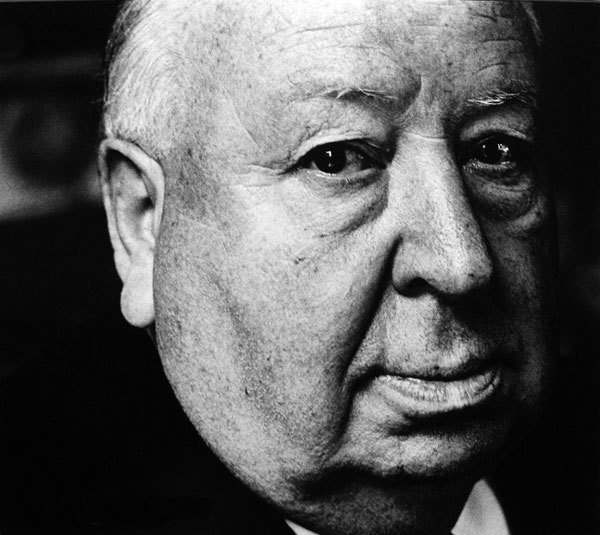
Photo: Jack Mitchell · CC BY-SA 4.0. Alfred Hitchcock photographed by Jack Mitchell, probably 1972; date uncertain, director portrait rather than a film still. Existing optimized JPEG reused unchanged; earlier resizing and recompression retained. Image derivative retains the stated license; no endorsement implied.
