
Tracing the source ranks first because it can connect a photograph to the person or organisation responsible for publishing it, a fuller caption and a documented context. It does not make that source infallible. It gives you something more substantial to examine than an unattributed repost. Ask who created the image, who first published the version you can locate and what each actually says it shows. These may be different people or institutions. Keeping their roles separate helps you avoid treating the most visible account as the photographer or confusing a distributor with an eyewitness.
In an invented example, a viral flood picture leads through several reposts to a photographer's credited report. The original caption names a place and a date that differ from the new post. That finding can clarify the photograph's context while leaving questions about the wider event open. Read the report around the image and check whether the credit points elsewhere again. A source trail can have legitimate stages, including agency distribution or archive reuse. The goal is not to demand that every reader find a raw camera file, but to recover an accountable publication and the evidence supporting its description.
Use links, visible credits and public source pages before making assumptions from watermarks alone. A watermark can supply a useful lead, but it can also be copied or survive a repost whose caption has changed. Verify that the claimed original page exists and contains the relevant image. If reporting describes contact with the photographer, distinguish that reporting from contact you have not personally made. You can rely on a documented account without pretending to have interviewed its source yourself. This discipline keeps the verification story accurate and prevents your explanation from acquiring authority through an invented step.
The source's own caption is evidence to assess, not a command to accept everything. Ask how the publisher knows the date and place, whether later corrections exist and whether other reporting supports the interpretation. An original photograph can be staged, misdescribed or selectively framed. Source tracing therefore works with the earlier checks rather than replacing them. A reader who expects a single original upload to settle every question may miss the difference between authorship and truth. We give the method first place because it improves accountability and context, not because it eliminates uncertainty or makes corroboration unnecessary.
If you cannot reach an original source, state where the trail stops. Perhaps the earliest located report has no credit, or several pages point to an unavailable post. That is a specific limitation, not proof that no source ever existed. You can still establish narrower facts, such as an earlier publication or a confirmed public location, while withholding the broader caption. Avoid filling a missing link with the version that sounds most plausible. The honest endpoint of a search may be that the available record is insufficient for the statement you were considering sharing, even after several useful checks.
First place belongs to a habit that reconnects an image with responsibility and context. Combine it with dates, reverse searching, independent evidence and a clear distinction between visible content and inferred claims. Then decide what you can actually say. A careful conclusion can confirm part of a story, correct an archive caption or leave a question unresolved without calling every uncertain file fake. Which would change your confidence most: an accountable original source, a documented earlier appearance or an independent view of the same event? The best answer may depend on the claim, which is why this ranking offers a method rather than a universal verdict.
Sources: Commons Library: verifying images · AP: verification.
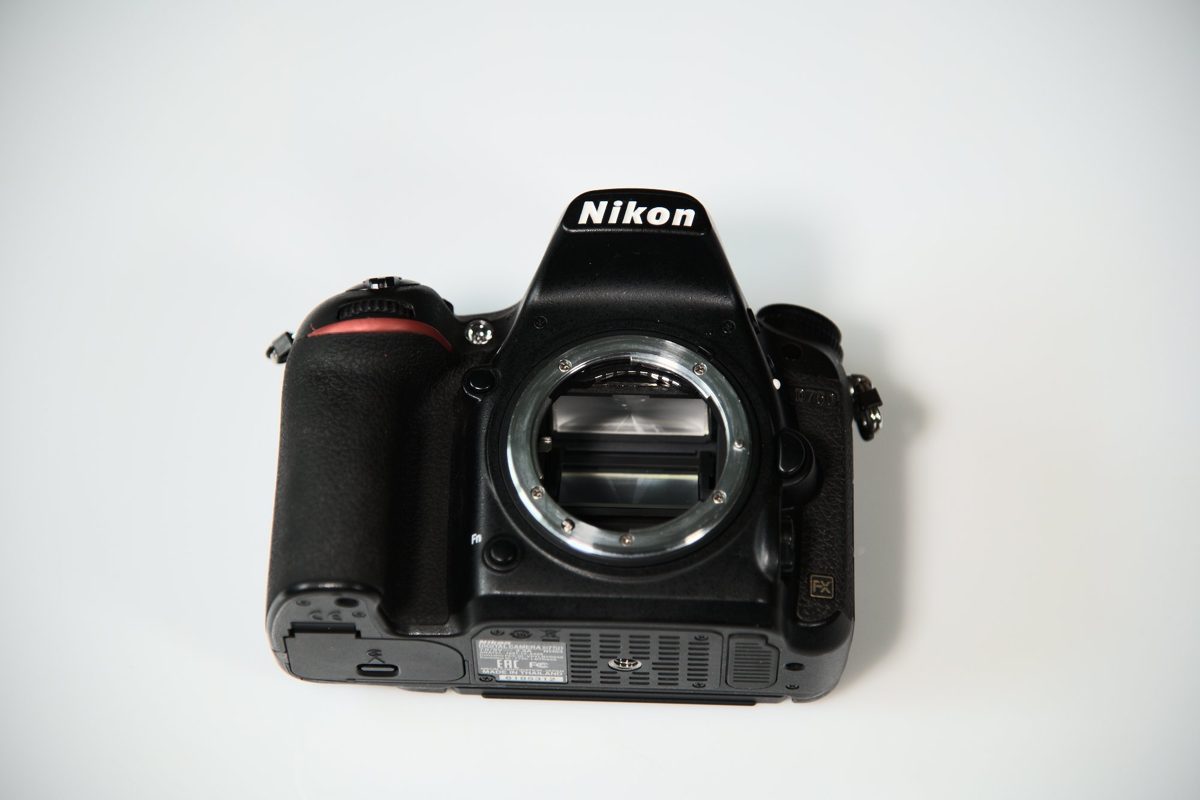
Photo: Jakub T. Jankiewicz (Nikon d750 cap off.jpg) · CC BY-SA 4.0. Nikon D750 photographed on 7 August 2022; contextual camera illustration, not a file analysed in the hypothetical examples. Orientation normalized; resized and recompressed without cropping or upscaling; source license retained. Image derivative retains the stated license; no endorsement implied.
