
A crop changes what the viewer can see without necessarily changing any pixel inside the remaining area. That makes finding a wider version a useful check even when you have no reason to suspect digital fabrication. Ask whether the shared image is the whole frame, a detail from a larger photograph or a single moment from a sequence. A close view may accurately show a person or object while leaving out the surroundings needed to interpret it. The issue is context, not the assumption that every crop is dishonest or that uncropped images automatically tell the complete story.
Imagine an invented photograph showing a long queue outside a building. A wider view might reveal a sign explaining an ordinary scheduled activity rather than the dramatic shortage described in a repost. The close crop could still be an accurate fragment. What changes is the inference the caption asks you to make. Look for the source publication's version, accompanying photographs and the original caption. If you find a larger file, compare the shared area with it carefully instead of treating any vaguely similar scene as the missing context. Establish that you are looking at the same photograph before drawing conclusions.
A sequence can matter as much as a wider frame. One instant may show a gesture that looks different when you understand what happened immediately before or afterward. This does not mean that every still image is misleading. It means a claim about an action may require evidence of the action, rather than a single isolated posture. When a photograph is actually a frame taken from video, locate the relevant clip and its source if possible. Avoid adding a story about intention or emotion simply because a paused expression seems to fit the narrative you expected.
Editing standards also require distinctions. News organisations may allow limited adjustments for accurate reproduction while rejecting changes that materially alter content. AP's published standards, for example, distinguish permitted minor treatment from manipulations that change the scene. Do not infer from that distinction that any processed image is false or that any unprocessed file is well captioned. The question is what changed and what effect that change has on the public claim. A resized image, a colour adjustment and the removal of a person are not automatically equivalent operations merely because all involve digital software.
This check can fail when the wider version is unavailable or when a later alteration is mistaken for the original. A larger image is not necessarily an earlier image, and an added border does not restore missing reality. Follow the publication trail and compare identifiable details. If the relationship remains uncertain, say so. The method ranks seventh because it can directly change interpretation with relatively accessible evidence, but it cannot establish everything outside the camera's view. Even a full frame remains a selected viewpoint, at a selected moment, rather than an exhaustive account of an event.
The best result is a concrete statement about context: the circulating version omits a visible sign, isolates one part of a sequence or matches the source's full frame. Explain what that finding changes about the caption and what it does not change. It may weaken a dramatic interpretation without proving a completely different story. Keep those boundaries visible. Looking beyond a crop is a way to improve the evidence available for a particular claim, not a reason to believe that somewhere there must always be another frame that will confirm your preferred explanation.
Sources: AP: visual standards · Commons Library: verifying images.
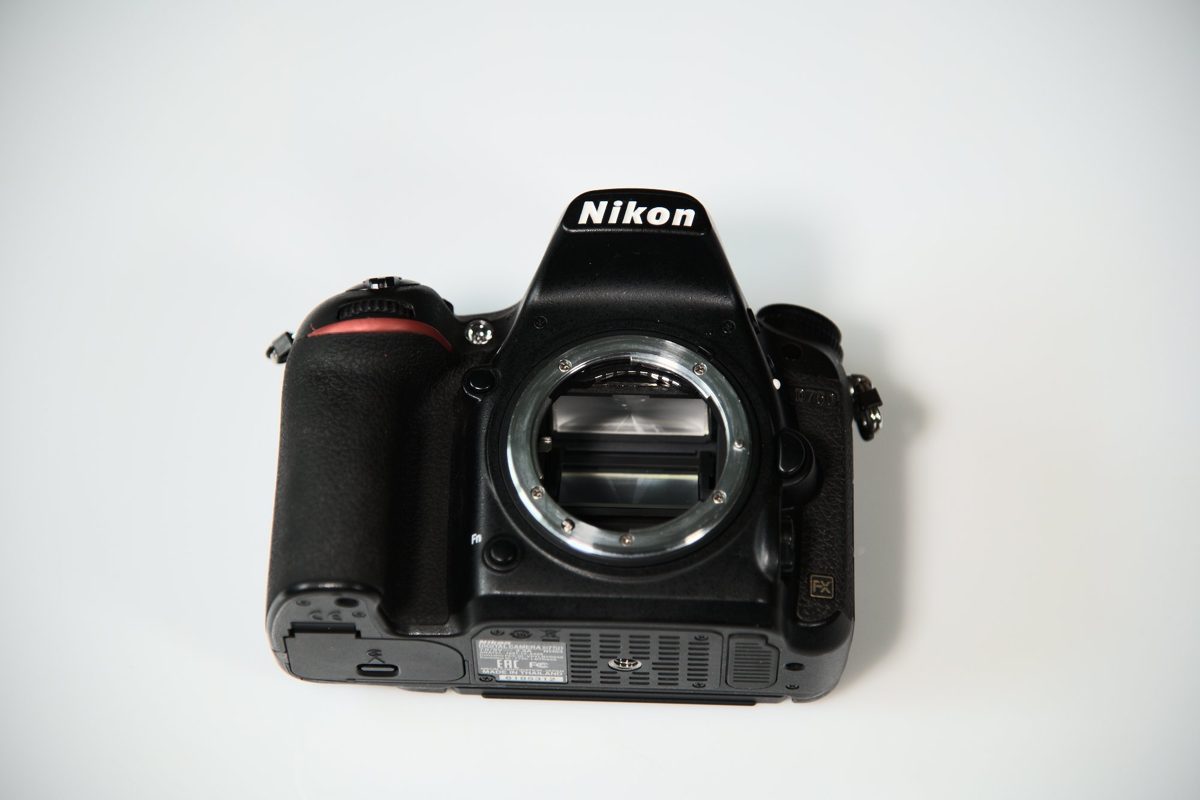
Photo: Jakub T. Jankiewicz (Nikon d750 cap off.jpg) · CC BY-SA 4.0. Nikon D750 photographed on 7 August 2022; contextual camera illustration, not a file analysed in the hypothetical examples. Orientation normalized; resized and recompressed without cropping or upscaling; source license retained. Image derivative retains the stated license; no endorsement implied.
