
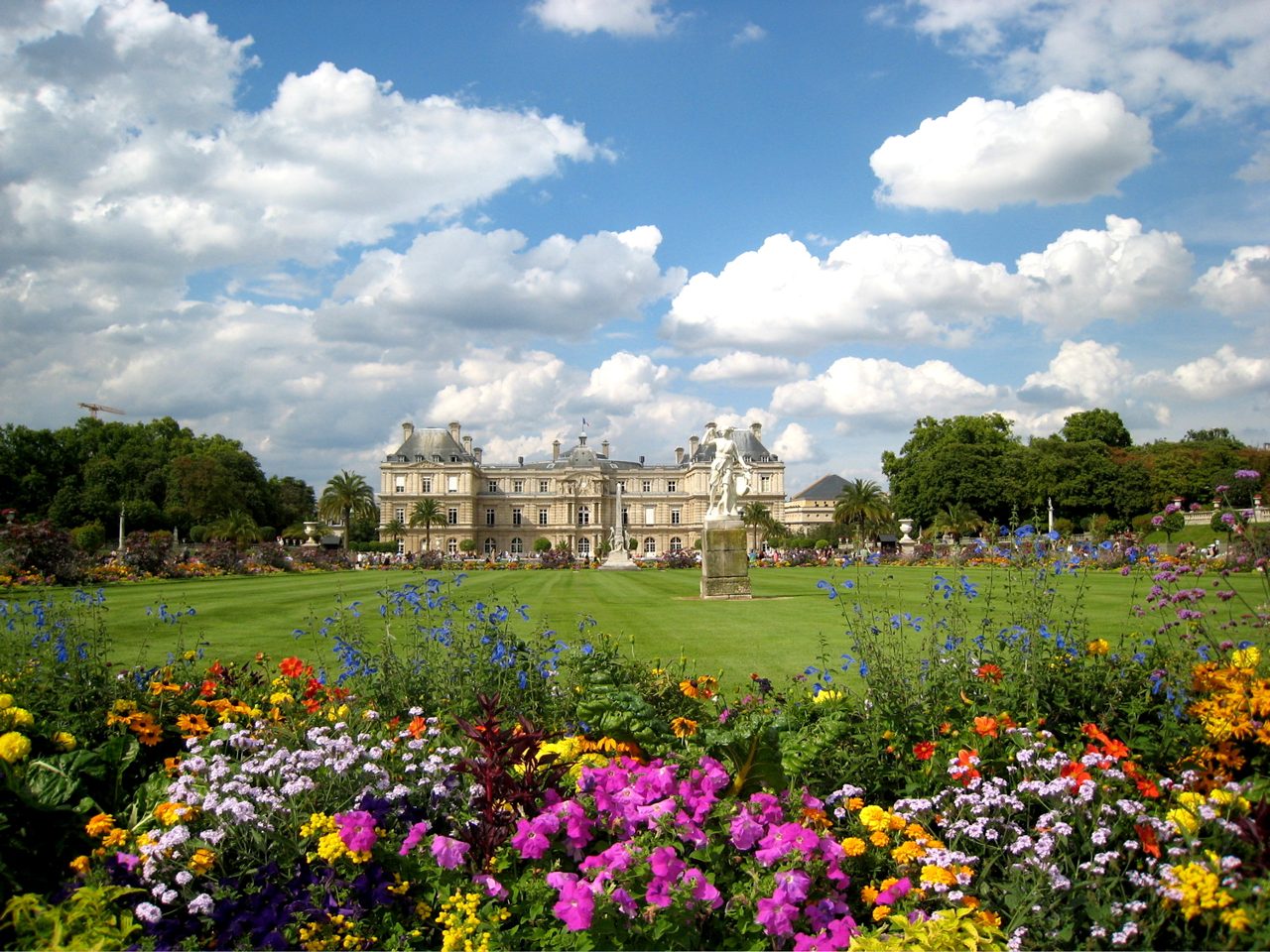
The Jardin du Luxembourg is our first choice for a balanced Paris garden visit. The Senate's garden site provides a map and identifies features such as the Medici Fountain, giving a visitor several ways to build a walk without requiring a museum ticket or an elaborate route. We put it above the Tuileries because our brief rewards an outdoor afternoon that can stand on its own. This is editorial judgment, not a claim that it is the largest, most visited or universally best garden in Paris. Someone staying beside another park may have a better personal reason to begin there.
Start by choosing the scale of the visit. A first look can be a short, deliberate route between a suitable entrance, a feature that interests you and a comfortable stopping point. A longer visit can add another part of the garden after you have assessed the group's energy. Do not turn the map into a set of obligations. The value of a well-known garden is not that every named object must be collected, but that several different visits can be made from the same place. An afternoon remains coherent even when you decide that the first section was enough.
The Medici Fountain can provide one focus, but a focal point should begin observation rather than end it. Notice how the approach frames the scene, what changes when you move to another permitted position and how the surrounding planting affects the impression. You do not need to invent a symbolic explanation for every detail to enjoy the composition. If you want a historical account, use the operator's interpretation rather than turning appearance into a confident story. A garden rewards both knowledge and unhurried attention, and the two need not arrive in a fixed order.
Luxembourg also works well as a test of what a travelling group actually wants from a park. One person may want a sustained walk, another a place to sit and another a closer look at details. Agree on a shared core and keep any extension optional. Avoid promising that every activity or facility is free merely because the ordinary garden visit does not require an admission ticket. Special activities, exhibitions and nearby indoor visits are separate decisions. The strongest version of this recommendation is simple: choose the outdoor experience first, then add something else only if it improves the day rather than filling a perceived gap.
Consult the Senate's current garden information for your date, entrance and route. This site is managed separately from municipal parks, and opening hours change through the year. During research, the homepage's displayed today hours did not provide a dependable dated basis for our intended reference, so we do not reproduce an exact timetable here. A current operator check is more useful than a schedule copied into an evergreen article. If step-free access, a specific gate or a particular activity matters, ask that precise question. A general description of a famous garden cannot answer every practical need of an individual visitor.
Choose Luxembourg for the balance that leads this list: a recognisable destination with enough variety to support a modest visit or a longer afternoon. Choose the Tuileries if a central cultural crossing is the main purpose, the Jardin des Plantes if botanical learning leads, or a neighbourhood park if proximity gives you more time to enjoy it. Our winner should help you choose, not prevent another sensible choice. A successful Paris walk leaves room to stop, notice and change direction. Would you put the most balanced garden first, or would one distinctive strength—a panorama, a botanical question or a modern landscape—matter more to you?
Sources: Official reference 1.
Photo: Rdevany at English Wikipedia · CC BY-SA 3.0. Jardin du Luxembourg · uploaded 24 August 2007; capture date unspecified. Archive illustration, not present weather, foliage, water operation or access. Resized and recompressed without cropping or upscaling; original license retained. No endorsement implied.
