
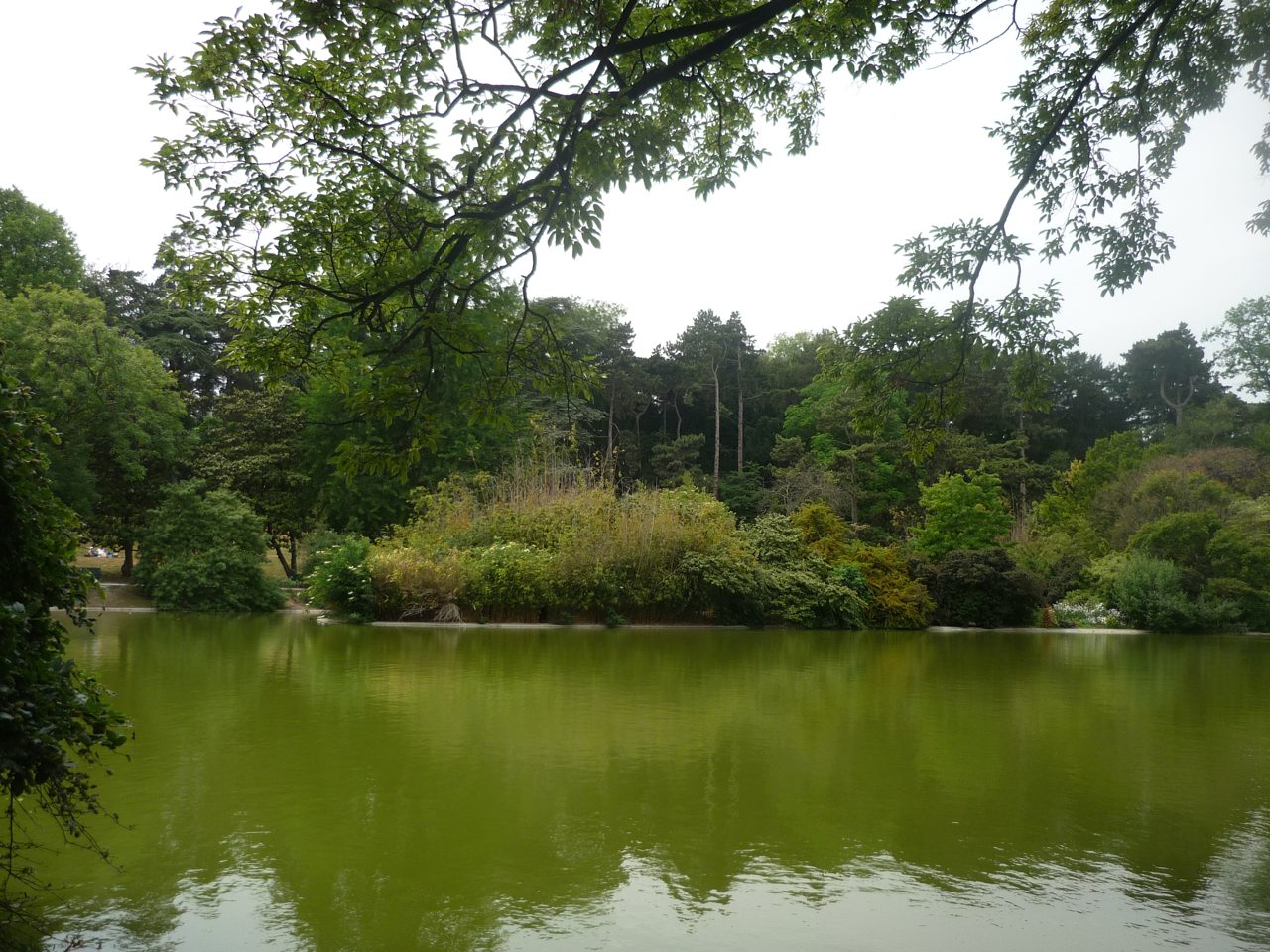
Montsouris opens the upper half of the ranking with a landscape that encourages a slower, less centrally focused Paris day. The municipal description identifies a lake, mature trees and changes in the arrangement of the grounds. Those features give the walk a different emphasis from a formal axis between famous cultural buildings. We place it fifth for the usefulness of that change in rhythm. It is particularly appealing when a traveller wants an outdoor visit to be the main activity rather than a brief passage on the way to somewhere else.
A lake can organise attention without requiring a complete circuit. Start by deciding whether water, trees or the broader arrangement of paths is the main interest. A short section can reveal how reflections change a view or how a tree frames what lies beyond it. Return along the same permitted path if that is the most comfortable option. Repetition is not a failed route: looking in the opposite direction often makes the same landscape feel different. We avoid prescribing a distance because the value here depends more on the pace of observation than on a number recorded by a phone.
Trees also make this a useful place to separate seasonal expectation from evidence. The City of Paris describes autumn interest in some of the planting, but no source can promise the exact colour of leaves on your visit. Wind, weather and the timing of an individual season change what a photograph suggests. Look for structure as well as colour: the shape of a trunk, the space under a canopy and the way branches relate to water can remain interesting when the expected bright display is absent. The walk should not depend on reproducing a particular autumn image.
Think carefully about terrain and route selection. A park may have an accessibility statement while still containing paths and connections that suit different people differently. Consult the current map for the specific approach and avoid treating a lake-side view as proof of a level route from every gate. A travelling group can agree on a shorter shared section and leave an optional extension for those who want it. That is often more successful than choosing a long circuit first and trying to make everyone fit it. The landscape is a resource for the day, not a test of completion.
During research the operator page displayed a storm closure notice dated 23 October. Recheck the current notice rather than assuming that ordinary hours override a safety closure or that an old notice establishes a permanent restriction. Seasonal closing times also change the amount of usable afternoon. Plan enough time to leave by a suitable gate before closure, particularly if the visit is followed by a fixed appointment. We make no claim about present ground conditions, the operation of facilities or the exact weather. Those are separate checks that a visitor should make close to departure.
Choose Montsouris when a landscape-led afternoon appeals more than a tightly connected central sightseeing route. Choose Luxembourg or the Tuileries if proximity to other planned stops is the deciding factor. This is the strongest reason not to treat a ranking as a universal instruction. For someone already in southern Paris, Montsouris could be the most sensible first choice. Its fifth place recognises broad appeal while acknowledging geography. An unhurried look at one lake edge and a few trees may offer a fuller memory than a hurried circuit of a better-known garden squeezed between appointments.
Sources: Official reference 1.
Photo: Basili · CC BY-SA 4.0. Parc Montsouris · 2011-05-20. Archive illustration, not present weather, foliage, water operation or access. Resized and recompressed without cropping or upscaling; original license retained. No endorsement implied.
