
The Musée Méliès in Paris opens this countdown at number ten because it gives a focused way into a large question: how did cinema become a place for invented worlds? Located at the Cinémathèque française, the museum follows Georges Méliès and the magical strand of film history. The institution describes a route connecting early devices, his films and later special-effects imagination. That focus is a strength for visitors who might find a comprehensive history overwhelming. You can enter with one recognizable creative problem in mind: how can a picture persuade an audience to accept something that never happened in front of it?
Begin with the relationship between a material apparatus and an apparent impossibility. A device can look simple from outside while the resulting illusion feels expansive. Rather than asking only whether an effect looks realistic by present standards, consider what the filmmaker wanted the audience to enjoy. Surprise, transformation and visible ingenuity can matter as much as seamless imitation. This approach makes an early trick film easier to appreciate without forcing it to compete on the terms of a modern digital production. The museum's subject is especially useful for that change of perspective, because imagination becomes part of cinema's identity from the beginning.
What to notice
Méliès also offers a bridge between performance and filmmaking. When you encounter a displayed object or a film extract, think about what belongs to the staged scene and what depends on the camera or the handling of images. You do not need to identify every technique correctly to ask that question. It shifts attention from merely naming a famous work toward noticing how the experience is constructed. A good personal exercise is to choose one transformation and describe what changes before and after it. That brief description can reveal more than a long list of titles you already knew before entering.
The museum's official presentation includes magic lanterns alongside later technologies and film examples. That makes it possible to resist a simplistic story in which the oldest thing is automatically primitive and the newest automatically superior. Different tools solve different artistic problems. A projection can create an atmosphere, a mechanical object can reveal an idea and a contemporary presentation can offer another way to enter a historical world. Try comparing two examples by what they ask you to notice, not only by the date on the label. This is a small, useful way to turn a chronological display into an argument about creative choices.
Choose a visit that fits
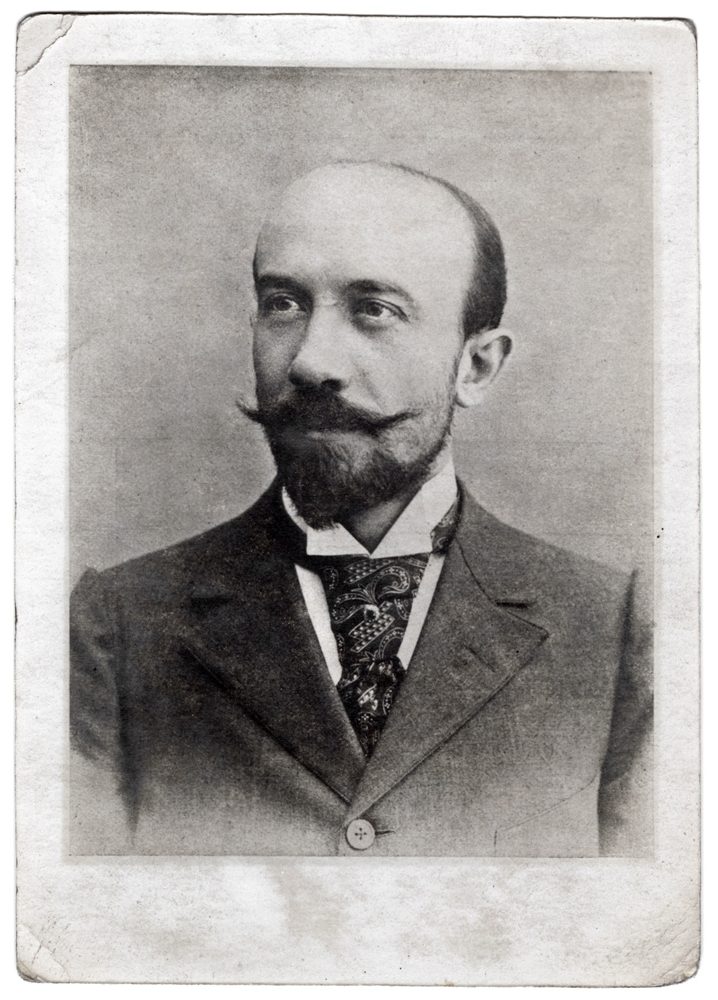
Plan the Musée Méliès separately from any screening or temporary exhibition at the Cinémathèque. The official pages explain museum visits and combined products, but a cinema seat and a gallery admission are not interchangeable. If you hope to connect an exhibition with a particular film, examine the program for your actual date before arranging the rest of the day. Our image is an archival portrait of Méliès, not a photograph of a current installation. It directs attention to the museum's creative focus while avoiding the suggestion that one promotional gallery view describes everything you will encounter during your own visit.
Tenth place reflects the narrower focus compared with the museums above, not a lack of importance. For someone interested in early fantasy, stage magic or the pleasure of practical invention, Paris could become the most satisfying choice on the list. It is particularly rewarding to pair the visit with watching an early film attentively rather than treating it as a quaint prelude to proper cinema. The question to take home is not whether an old illusion fooled you completely. It is how the filmmaker organized your willingness to be surprised, and why that willingness still matters whenever a screen invites you into an impossible place.
Source: Musée Méliès · Musée Méliès.
Photo: Méliès portrait.png · Georges Méliès · Public domain. Archive illustration, not evidence of current displays, crowds or access. Resized and recompressed without cropping; original image license retained.

