
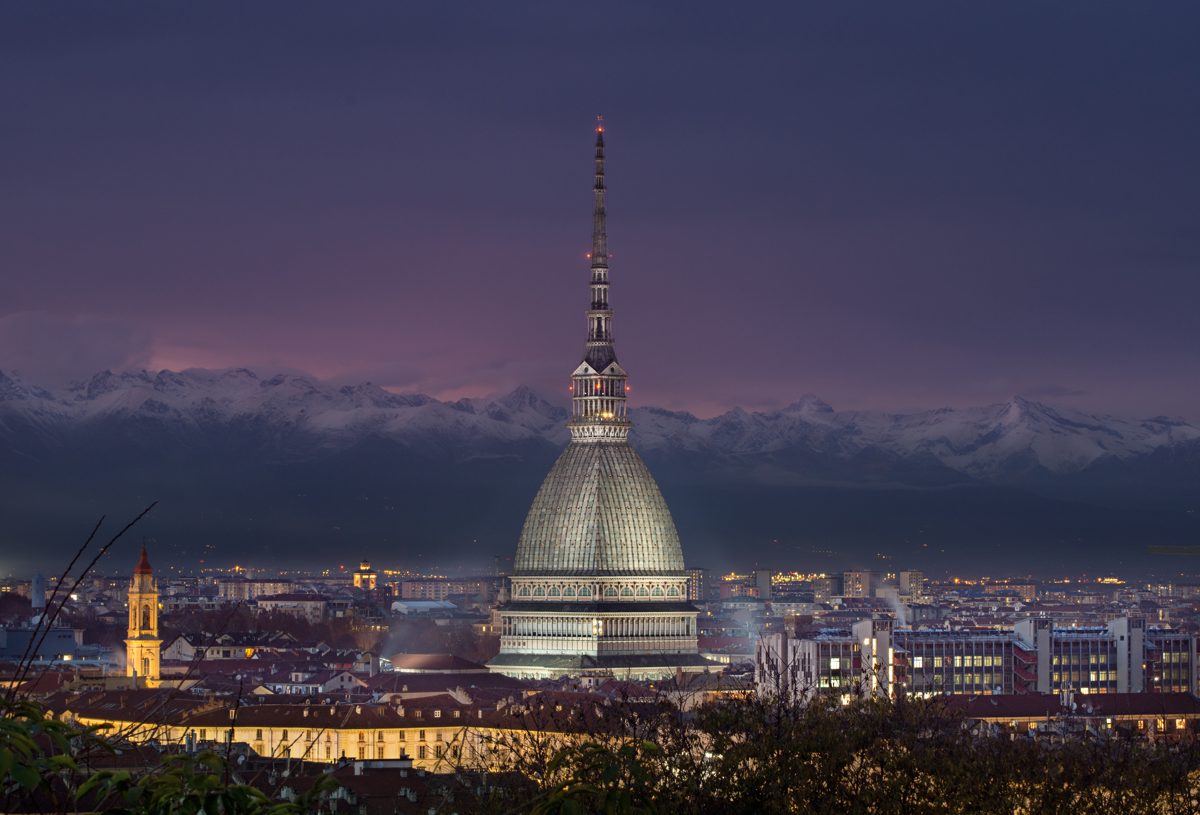
Turin's Museo Nazionale del Cinema takes first place for the clearest combination of cinema history, immersive presentation and a remarkable setting. Housed in the Mole Antonelliana, the museum describes a route through sets, projections, lighting effects and devices that connect earlier image-making with later screen experiences. Under our first-visit criteria, that combination gives it the strongest overall case. You can think about how cinema works while inhabiting a place that makes looking and spatial discovery part of the visit. The building is not merely a container for a collection, yet it does not replace the moving-image subject with architecture alone.
Start by noticing the difference between a displayed mechanism and a staged environment. The former can explain a particular operation; the latter can show how several choices create a mood or direct attention together. A film joins such elements within a timed sequence, while a museum lets you move between them at your own pace. That difference is productive. Stop at one example long enough to describe what it helps you understand, then ask how that idea might function inside a film. The aim is not to reconstruct an entire production but to connect an object or setting with an experience you recognize as a viewer.
What to notice
The museum's range, from magic lanterns and special effects to newer presentation tools, also makes it a useful counterweight to the idea that film history is only a succession of famous directors. Creators matter, but their work depends on ways of showing, constructing and organizing images. Choose one thread, such as projection, atmosphere or the building of an imaginary space, and follow it across the visit. You may find that a modest early apparatus asks a question that remains relevant to a later technique. That continuity can be more revealing than simply deciding that every new technology marks an inevitable improvement over what preceded it.
The Mole's panoramic lift and dome experiences deserve a separate planning decision. The museum's official visitor information distinguishes the museum from these ways of reaching a wider view over Turin. Do not assume that every ticket or route combines them in the same way. If the skyline is central to your day, check the product and availability you actually need. If cinema is the main purpose, do not let an extra attraction consume the attention you wanted to give the collection. Both experiences can belong in a satisfying visit, but they answer different interests and should be chosen deliberately rather than treated as an inseparable package.
Choose a visit that fits
Families and mixed groups can make the museum more engaging by choosing different observations to compare. One person might follow how light works, another how a space suggests a genre, another how an object changes scale or viewpoint. Those are meaningful contributions even without extensive movie knowledge. A guided activity may offer another route, but use the current program rather than assuming it will run whenever you arrive. The archive exterior photograph shows the building as a landmark; your own visit should also produce an indoor question worth remembering. That balance is what allows the setting to enrich the film subject instead of overshadowing it.
Turin wins this editorial selection, with Ghibli the strongest choice for a concentrated animation world and the Academy Museum a compelling alternative for filmmaking objects and current interpretation. A reader whose priorities differ can reasonably change the order. We have not surveyed every visitor, measured every route or treated collection size as a substitute for a useful experience. The goal is a clearer choice and more attentive viewing afterward. Our classic horror movie ranking offers a next step if a museum visit sends you back to the screen. Which would you choose first: Turin's broad cinematic journey, Ghibli's creative intimacy, or a museum that teaches you to notice one previously invisible part of making a film?
Source: Museo Nazionale del Cinema · Museo Nazionale del Cinema.
Photo: Mole Antonelliana di sera.jpg · Abbrey82 · CC BY-SA 4.0. Archive illustration, not evidence of current displays, crowds or access. Resized and recompressed without cropping; original image license retained.
