
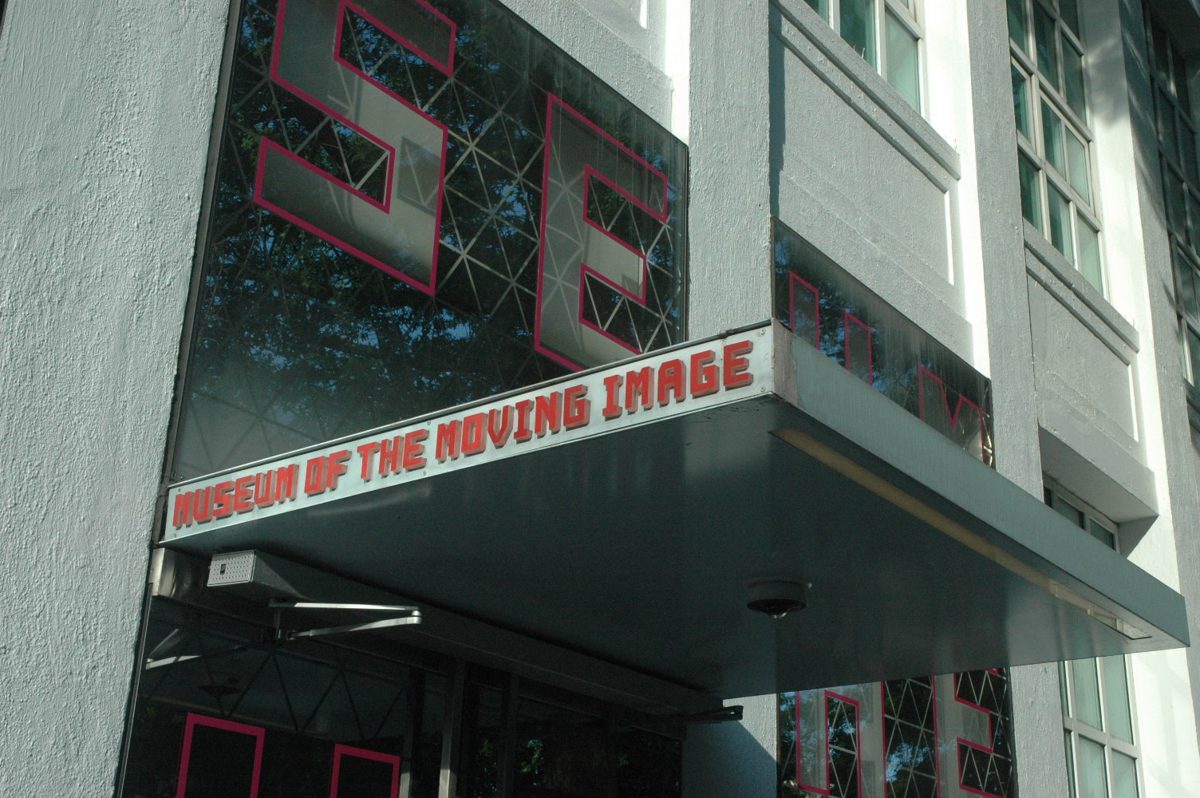
New York's Museum of the Moving Image takes fifth place for making the work behind screen entertainment unusually legible. Located in Astoria, Queens, its core exhibition Behind the Screen addresses the creative and technical processes of producing, promoting and presenting moving images. The museum describes a collection that includes cameras, projectors, sound equipment, costumes, sketches, models and merchandise. That range gives visitors multiple entry points. A person interested in storytelling, a person curious about equipment and someone fascinated by popular culture can examine different objects while still participating in the same larger question about how a screen experience is made.
Begin by distinguishing an object used in production from an object used to sell or remember the result. A costume and a licensed toy may relate to the same screen world while doing different jobs. One helps shape a performance or appearance; the other extends the relationship between a viewer and a title beyond the screening. That comparison makes commercial culture part of the story without treating it as an embarrassing distraction from art. The museum's broad approach is valuable because most audiences encounter film through several channels at once, including promotion, television, objects at home and the memory of particular images.
What to notice
Production tools invite another useful distinction: equipment makes choices possible, but it does not make every choice for the filmmaker. When looking at a camera or sound apparatus, ask what kind of control it provides and what still requires judgment. A microphone can record sound, but someone decides what the audience should hear and how it relates to the picture. A camera can capture a view, but framing and timing still shape what matters within it. This way of looking prevents a technical collection from becoming a celebration of machines alone. It keeps human decisions at the center of the process the objects help explain.
The exhibition's span from nineteenth-century optical toys to digital editing also creates an opportunity to compare continuity with change. The tools are different, yet many creative questions persist: where should attention go, how should a sequence unfold and what information should be withheld? Pick one question and follow it across objects from different periods. You do not need to conclude that the newest tool has replaced every older artistic possibility. A useful comparison identifies what changed in the available choices, then considers what kinds of experience those choices made easier or more interesting to construct for an audience.
Choose a visit that fits
MoMI also has a screening and exhibition program, so check what is included in the particular visit you plan. Do not assume that a museum admission and every scheduled presentation offer identical access. The core exhibition can provide a coherent first encounter even if you do not build the day around a film session. For a family or mixed group, agree on one small discussion afterward: which object most changed how you understood a familiar screen image? That gives someone with little movie trivia an equal role in the conversation and rewards observation rather than the ability to identify the most famous reference.
Fifth place recognizes a broad and practical introduction, with the institutions above gaining an edge through their distinctive settings or overall visitor combinations. MoMI can nevertheless be the strongest option for a reader who wants an especially clear connection between objects and production decisions. Choose it to understand the layers of labor that a finished image conceals. Afterward, the most ordinary scene may become richer: a sound, an article of clothing or a background object can register as part of a deliberate construction. That is a lasting benefit, whether the next thing you watch is a feature film, a television episode or a short digital work.
Source: Museum of the Moving Image.
Photo: Museum of the Moving Image Marquee.jpg · Engrigg22 · CC BY 4.0. Archive illustration, not evidence of current displays, crowds or access. Resized and recompressed without cropping; original image license retained.
