
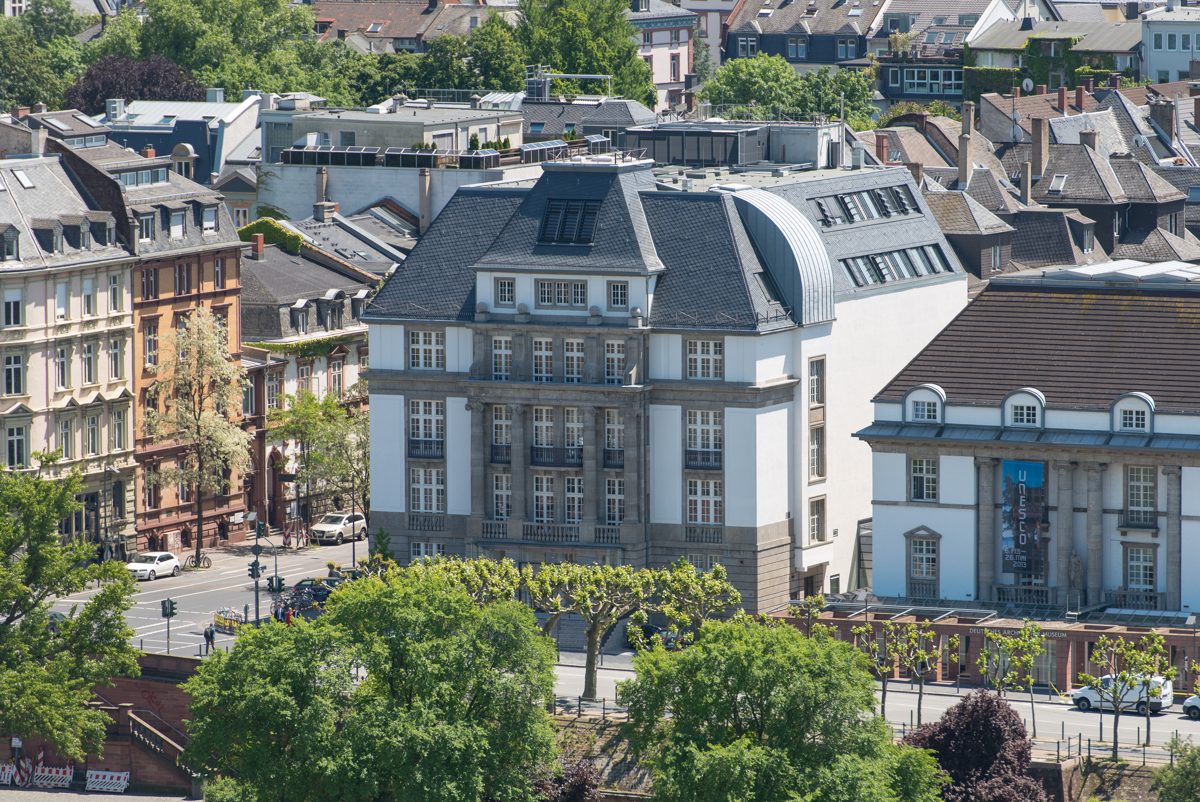
DFF's Deutsches Filmmuseum in Frankfurt ranks ninth as a strong choice for visitors who want to understand film as a made language. Its permanent exhibition occupies two floors and combines historical equipment, interactive models and large projections. That mix makes it useful for a first visit: the machine and the resulting image can be considered together instead of living in separate mental categories. The museum is not only a place to recognize a star or recall a favorite story. It encourages a more basic curiosity about why a particular arrangement of light, movement and sound becomes meaningful to an audience.
A helpful starting point is to distinguish seeing an image from reading a sequence. Look at what a device lets its operator control, then think about what those controls might change in the result. Framing can exclude information, movement can redirect attention and a sequence can create a connection between otherwise separate things. You do not need a filmmaking vocabulary in advance. Describing one change in ordinary words is enough to begin. An interactive model is most valuable when you use it to test a question, rather than briefly operate it and move on because there is another button nearby.
What to notice
The DFF's theme of filmic vision and narrative makes a useful organizing principle for companions with different interests. One person might care about the mechanics of producing motion, another about the emotional effect of a scene. Compare those responses instead of treating one as more serious. A technical choice becomes interesting partly because it can shape a feeling. If you stop at a projection, ask what you would lose by seeing only one frame. If you stop at a piece of equipment, ask what kind of sequence it enabled. Those paired questions connect the material collection with the experience of watching.
A cinema program and temporary exhibitions add possible layers, but the permanent exhibition is a coherent starting point by itself. The current visitor site also identifies a Wim Wenders exhibition scheduled through 1 November 2026; that dated program should be treated as an optional contemporary addition, not a permanent feature of every future visit. The useful planning distinction is between learning the basic language and following one filmmaker's particular use of it. Either route can work. Combining them makes sense only if it leaves enough attention for both, rather than turning the museum into a race against the next screening time.
Choose a visit that fits
For a mixed group, try a short comparison exercise: each person chooses one moment in which the display changed their interpretation of an image. Then explain the observation without relying on the title of a famous movie. This prevents the visit from becoming a competition over who has seen the most films. It also makes the learning transferable. Someone who arrived with little background may notice a sound or a change of viewpoint more sharply than a regular moviegoer who is occupied with identifying references. The conversation can continue over the next film you watch, where the same choices will operate outside the museum.
Frankfurt sits below the more distinctive settings and wider experiences above it, yet its clarity gives it a strong practical case. Choose DFF if your main question is how filmmakers organize what viewers see and understand. Consult the current visitor information for the exhibition and cinema products that fit your date, rather than importing arrangements from an older event page. Ninth place should not discourage a visitor whose interests match this explanatory approach. A museum that gives you one precise new observation about editing or framing may improve many later evenings at the cinema, which is a more valuable souvenir than a list of objects briefly recognized.
Source: DFF Deutsches Filmmuseum · DFF Deutsches Filmmuseum · DFF Deutsches Filmmuseum.
Photo: Frankfurt Deutsches Filmmuseum.20130603.jpg · Epizentrum · CC BY-SA 3.0. Archive illustration, not evidence of current displays, crowds or access. Resized and recompressed without cropping; original image license retained.
