
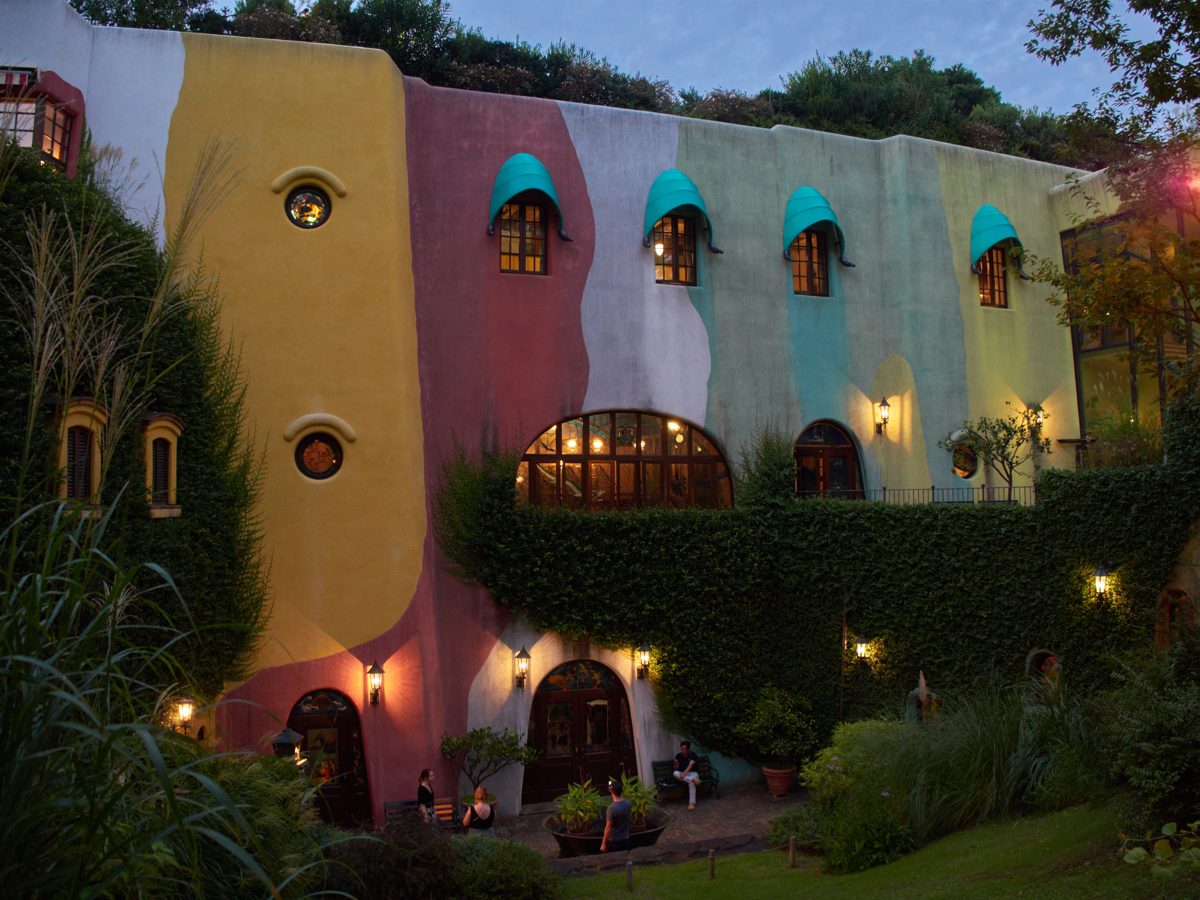
The Ghibli Museum in Mitaka ranks second because it turns a focused artistic world into a distinctive way of thinking about animation. This is the museum near Tokyo's Inokashira Park, not Ghibli Park in Aichi. The distinction matters when making plans, but it also clarifies the type of experience being compared. Our interest is not in a collection of rides or a checklist of characters. It is in a place that connects drawings, workspaces, light and architecture with the process of imagining a film. For a reader already moved by Ghibli's work, that concentrated identity can outweigh the broader coverage of every other institution here.
The permanent display Where a Film is Born offers a useful central idea. The museum describes rooms filled with sketches, books, models and other sources of inspiration, arranged to suggest creative work in progress. Look at the connection between observation and invention rather than only searching for a familiar character. A room can imply the interests of someone who works there before a finished story appears. That is a transferable lesson in animation and production design: the world surrounding a character can communicate curiosity, habits or desire without requiring an explanatory speech. The display invites attention to the materials from which an imagined world can begin.
What to notice
The museum's architecture extends that experience. Its own welcome describes colored glass, stairways, passages and a central hall that encourages exploration. Notice how changing your position alters what becomes visible and how a small detail can reward looking again. This is not the same thing as watching an animated film, yet it can sharpen your appreciation of how a drawn environment guides attention. Rather than collecting images of everything, choose one relationship between light, a surface and a view that feels especially deliberate. Describe why it caught your eye. That explanation can become more memorable than a long inventory of recognized references.
The Saturn Theater gives visitors another connection with the work itself through short animated films. Check the current museum program rather than expecting to choose any title from the entire historical catalog. A short film can be valuable precisely because it keeps the encounter focused: watch how the creators establish a situation, direct attention and bring the experience to a close. The museum visit and the screening should complement each other. One makes you curious about making; the other lets you experience the result unfolding in time. You do not need to turn the visit into a test of how many Ghibli details you can identify.
Choose a visit that fits
Advance reservation is essential. The official ticket page states that admission is by reservation and that tickets cannot be bought at the museum. It describes overseas online sales through Lawson and the monthly release arrangements; use that current page to confirm your own date and route. This is a planning dependency, not an activity to add casually after arriving nearby. Also read the museum's current visitor instructions and respect its approach to the experience. Our exterior archive image introduces the building. It does not imply permission to record every interior display or guarantee that a particular exhibit or film will be offered when you attend.
Ghibli finishes second because our general ranking also rewards broad cinema-history coverage, where Turin has an advantage. For an animation enthusiast, that is an entirely reasonable criterion to reverse. The museum's strongest case is not that it contains the most objects or explains every part of the industry. It is the coherence between place, process and imaginative attention. Choose it if you want to spend time inside the questions from which a film world grows. The most rewarding result may be noticing a background, a lamp or an apparently minor prop differently the next time you watch animation, recognizing how much meaning can live outside the central action.
Source: Ghibli Museum · Ghibli Museum.
Photo: Ghibli Museum - GhibliMuseum864.jpg · lumoplank · CC0. Archive illustration, not evidence of current displays, crowds or access. Resized and recompressed without cropping; original image license retained.
