
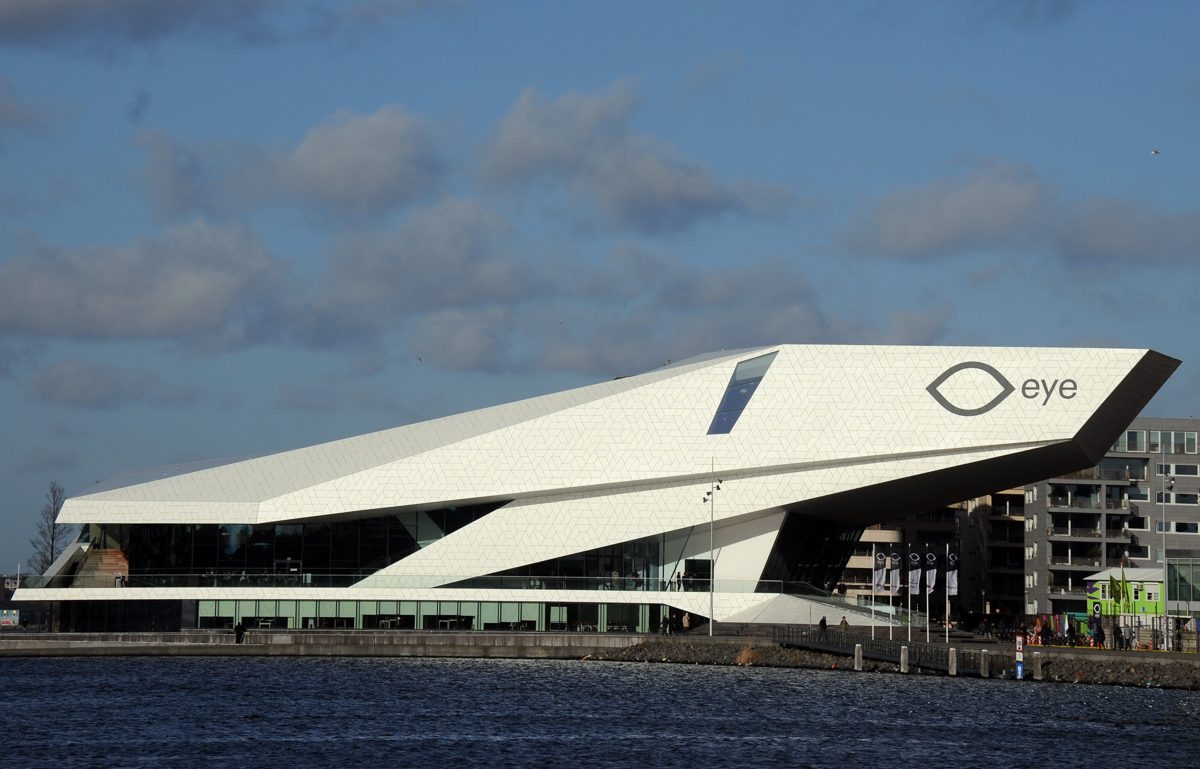
Eye Filmmuseum in Amsterdam ranks sixth for bringing the moving image into a setting that invites both looking and questioning. Its permanent presentation, What is Film?, explores early cameras, film clips and activities such as making a flip book or animated film. Alongside that introduction, Eye describes its responsibility for the Netherlands' film collection and its work in keeping that heritage accessible and meaningful. The combination matters. A film museum can be a place to encounter an appealing object, but it can also explain why moving images need care, context and new opportunities to be seen.
Start with a simple question about what a collection actually preserves. A title alone is not the experience of watching a film. The image must remain available in a form that can be presented, and a viewer benefits from knowing something about its context. You do not need specialist conservation knowledge to appreciate that difference. Look at a device and a film example as parts of a relationship: one concerns how images are made or shown, the other how they can be encountered again. That perspective gives an archive-oriented institution a purpose beyond collecting familiar objects from a beloved industry.
What to notice
The permanent presentation also gives visitors a practical way to think about apparent motion. A flip book makes the relation between separate images and a changing sequence tangible. Instead of treating the task as a souvenir-making exercise, consider which differences between images produce the movement you want. If you try an animation activity, change one thing deliberately and observe the result. The educational value lies in connecting a choice with what appears to happen, not in producing a polished short film. That small experiment can make the labor behind much more elaborate animation easier to appreciate without confusing different techniques.
Eye's temporary exhibition program adds another reason to investigate the current calendar. It addresses the relationship between moving images and visual art, which may demand a different pace from a conventional cinema screening. A gallery encounter can let you revisit a passage or compare simultaneous elements; a scheduled screening asks you to share a continuous duration with other viewers. Neither is a lesser version of the other. Decide which experience interests you before combining them, and read the museum's current ticket information. Older pages describing a previous permanent presentation or different opening arrangements should not substitute for the current What is Film? information.
Choose a visit that fits
The building's place beside the IJ is part of the outing, but the architecture should not be the only thing you take away. Give yourself a question to answer indoors so the visit does not end after the exterior photograph. You might choose how an early camera organizes the world, how a collection becomes accessible, or how an artist uses more than one screen. Companions can choose different questions and compare their answers afterward. That gives the conversation more substance than simply agreeing that the building looks striking, while still leaving room to enjoy the setting as part of the experience.
Eye places behind the broader hands-on leaders above because our criteria favor a particularly rounded first introduction to screen-making. It could be your first choice if you are interested in film heritage, visual art or the changing ways images are presented. The permanent and temporary strands are best treated as complementary possibilities rather than a checklist. Choose a manageable focus, check the program for your date and leave time to reflect. A good outcome is to recognize that keeping a film alive involves more than retaining its name: it also involves the circumstances in which another audience can discover, interpret and enjoy it.
Source: Eye Filmmuseum · Eye Filmmuseum.
Photo: The lovely Amsterdam Eye museum building at 28 Januari 2016 - panoramio.jpg · Henk Monster · CC BY 3.0. Archive illustration, not evidence of current displays, crowds or access. Resized and recompressed without cropping; original image license retained.
