
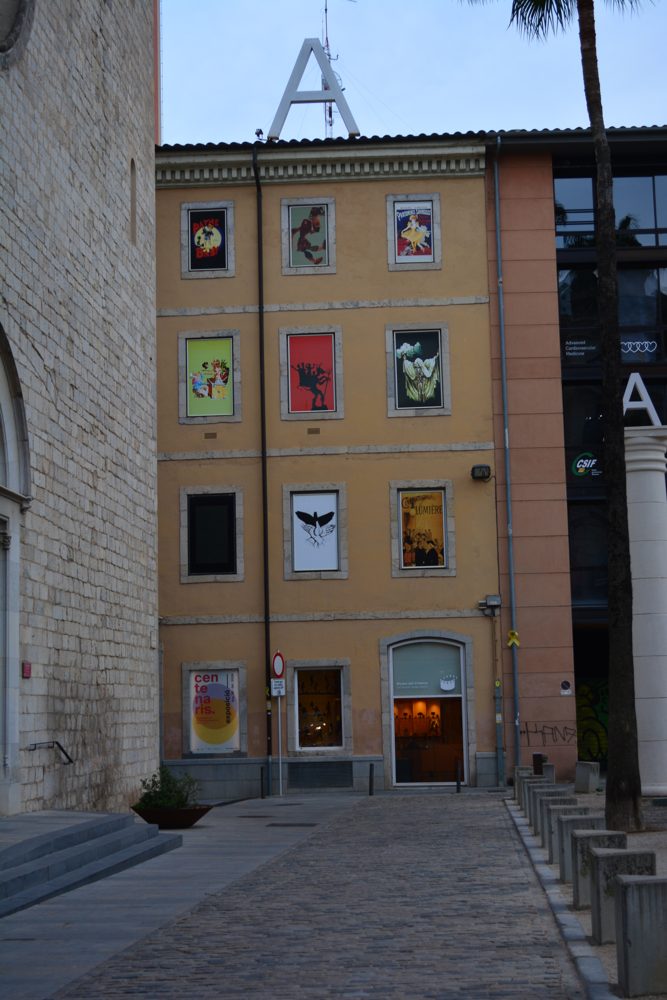
Girona's Museu del Cinema takes eighth place for making the history before cinema feel like a subject worth exploring in its own right. The city describes the museum through Tomàs Mallol's collection, with material ranging from shadow theatre to later moving images. That is a different starting point from a museum built around a studio's greatest hits. It asks what people wanted from pictures before the modern cinema experience took shape. For a visitor who enjoys discovering how an idea develops across different objects and practices, this can be a particularly engaging way into the history of screen entertainment.
Begin by resisting the urge to treat every early device as merely a step toward the camera you already know. A shadow performance, an optical object and a projected image can offer different pleasures. Look at the relationship between the person operating something and the person watching it. Is the apparatus visible? Does the audience share the experience at once or encounter it individually? Those questions help explain why changes in image technology also change the social arrangement of entertainment. They make the collection interesting even if you have little interest in memorizing inventors, patents or a long sequence of dates.
What to notice
The museum's setting in the former Casa de les Aigües, in Girona's Mercadal area, gives the visit a manageable connection to the city around it. Use that as a reason to give the museum a deliberate place in the day rather than treating it as a fallback for bad weather. An early-image collection rewards a different pace from an outdoor sightseeing checklist. You may want to stop repeatedly at small objects, compare mechanisms or watch a demonstration carefully. A shorter list of things examined with attention can produce a stronger understanding than an attempt to photograph every case before continuing to the next landmark.
A useful exercise is to choose one image-making problem and follow it through the displays. How does an image seem to move? How can a picture be shown to several people? How can light make a flat scene feel more theatrical? You should not assume every device works in exactly the same way, and the point is not to supply a single slogan about the human eye. Read the explanation attached to the particular object. The comparison becomes richer when you allow different mechanisms and viewing situations to remain distinct, rather than forcing them into one oversimplified account of invention.
Choose a visit that fits
For families, the strongest approach may be to invite a description before giving an explanation. Ask a child or companion what they think a device does, then compare that guess with the museum's account. A mistaken prediction can make the eventual explanation more memorable. Adults can use the same method; it turns unfamiliar equipment from a collection of puzzling names into a series of problems to solve. This is an interpretive suggestion, not a claim that a particular workshop or demonstration will run at your chosen time. Check the museum's actual program if a guided activity is central to your visit.
Girona ranks below the larger and more varied institutions above because our general criteria also reward the breadth of a first film-museum day. It could rank much higher for someone fascinated by the prehistory of moving pictures. The value is not simply that the collection contains old things. It is that those things can change the questions you bring to new images. After visiting, even an ordinary screen may seem less inevitable: one solution among many ways people have found to combine light, performance and attention. Choose Girona when that sense of discovery appeals more than a room full of instantly recognizable movie memorabilia.
Source: Museu del Cinema.
Photo: Girona - Museu del Cinema 01.jpg · Joe Mabel · CC BY-SA 4.0. Archive illustration, not evidence of current displays, crowds or access. Resized and recompressed without cropping; original image license retained.
