
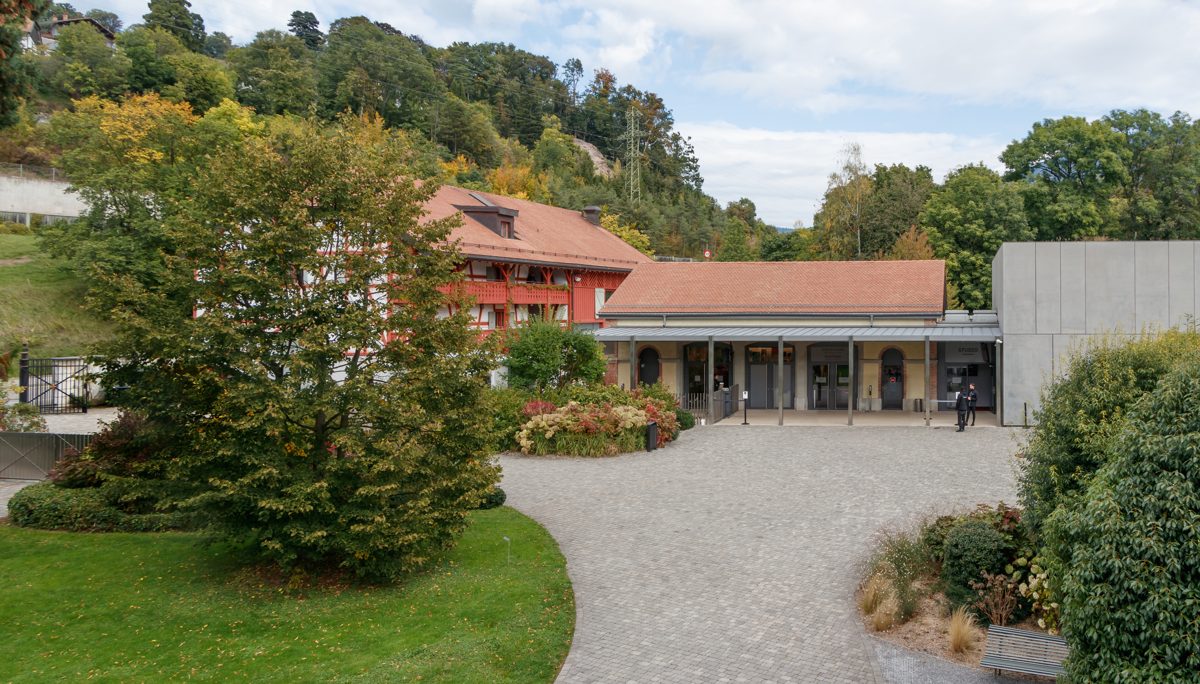
Chaplin's World ranks seventh for offering a focused encounter with the relationship between a person's life and a constructed screen identity. Located at Corsier-sur-Vevey in Switzerland, it brings together the Manoir de Ban, a studio-style experience and parkland. Those are different kinds of space, and the contrast is the point. A domestic environment invites questions about the person, while recreated cinematic settings invite questions about performance and storytelling. Rather than promising a complete history of film, this museum gives visitors a particular figure through whom they can think about how comedy communicates across audiences and generations.
The manor provides a useful counterweight to the familiar image of Chaplin on screen. A home is not a film set, even when both are now interpreted for visitors. Notice how the scale of a room or the presence of personal material encourages a different kind of attention from a projected scene. This does not require pretending that a museum visit gives direct access to someone's private thoughts. It allows a more modest comparison: the everyday setting and the public artistic identity can be examined together without being treated as the same thing. That distinction makes biographical museums more interesting than simple celebrity encounters.
What to notice
The Studio supplies another register. The museum describes environments inspired by films including The Kid, Modern Times and The Great Dictator. Think about those settings as explanations of performance space rather than replacements for watching the films. A constructed street or room can reveal how a body moves through a frame, how an obstacle becomes a comic problem and how a simple arrangement directs your eye. The useful question is not only whether you recognize the scene. It is what the physical setting helps you understand about a movement or visual relationship you might otherwise take for granted on screen.
Chaplin's comedy also makes this a good place to discuss timing. A gesture can be clear in a still image while its full effect depends on when it begins, pauses or changes direction. When you encounter a film example, try describing that timing without reducing it to the word funny. Where does your expectation start? When does the performer let you anticipate a consequence? Does the setting reveal the problem before the character responds? These are questions you can carry into almost any comedy afterward. They help a familiar screen personality become an opportunity to observe craft rather than merely confirm affection.
Choose a visit that fits
The three-part site rewards deciding how much of the day you want to give to each mode. Someone interested in biography may linger differently from a family attracted to the studio environments. Leave space for that difference instead of requiring every companion to enjoy every component equally. Use the current museum information to check tickets, the actual visitor route and any specific access requirements. The archive photograph introduces the site, not a guarantee about a particular display or a future program. A focused visit is more satisfying when its central question is clear enough to guide those practical choices.
Seventh place reflects the museum's narrower artist-centered scope compared with the broader leaders. For a Chaplin admirer, that concentration is exactly why it could be the best choice. It offers a way to connect biography, setting and the visible mechanics of performance without needing to turn the outing into a survey of every era. Consider watching one Chaplin film before the trip and revisiting a passage afterward. The most useful change may be small: noticing how a doorway, an object or a pause carries a scene. A personal museum succeeds when it gives you a more attentive relationship with the work, not just a closer-looking photograph of its creator.
Source: Chaplin’s World.
Photo: Chaplin’s World - Corsier-sur-Vevey 01.jpg · Llez · CC BY-SA 3.0. Archive illustration, not evidence of current displays, crowds or access. Resized and recompressed without cropping; original image license retained.
