
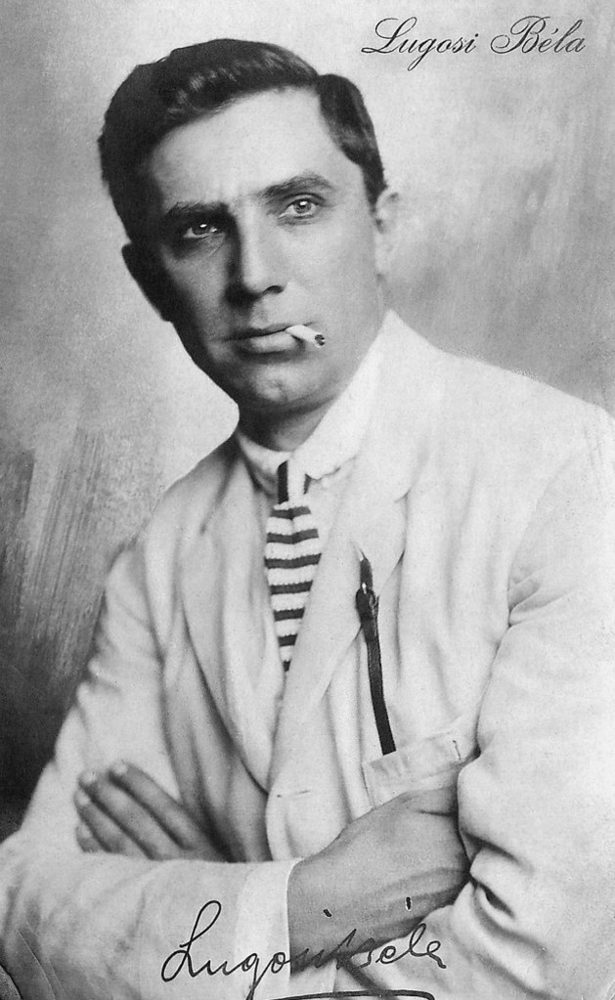
Bela Lugosi takes ninth place as Count Dracula in Tod Browning’s English-language Dracula of 1931. The version matters: this entry is not about the separately produced Spanish-language film from the same period. Lugosi’s performance builds authority through composure, speech and an unwavering sense that the character expects other people to accommodate him. The result can feel ceremonious to a viewer used to rapid contemporary dialogue. That ceremony is part of the argument for including it. Dracula does not merely enter a room; he changes the room’s pace, inviting the audience to notice the unnatural weight of a look or a pause.
A useful first observation is the relationship between stillness and attention. Many horror performances make danger visible by accelerating. Lugosi often does the opposite, allowing an expression or a carefully placed phrase to linger. When other characters behave as if social rules still apply, the contrast becomes unsettling. Courtesy remains recognizable, but its emotional temperature has changed. The actor’s control helps a supernatural figure move through familiar forms of introduction and conversation without becoming entirely familiar himself. The scene asks us to watch something that resembles civilized exchange while sensing that the participants do not possess equal freedom within it.
The performance and its competing case
His vocal style also makes the performance unusually easy to imitate and unusually difficult to reduce to an imitation. Repeating a recognizable cadence is not the same as sustaining the character’s confidence inside a dramatic situation. Listen for the connection between phrasing, eye contact and the response of another person. A pause has meaning because someone must wait through it. That relational element is more interesting than treating an accent as a decorative effect. Our ranking considers how speech organizes power and expectation within the film, rather than making claims about how all vampires should sound or how an audience ought to respond.
The case for a much higher position is obvious: Lugosi’s Dracula remains an exceptionally clear model of a horror presence built from personal bearing. Under a criterion of iconic economy, he could challenge anyone here. Our ninth place reflects a narrower preference for performances with more visible emotional variation across changing relationships. That is a limitation of this ranking’s priorities, not evidence that a restrained style is inherently inferior. The film’s theatrical qualities can also produce distance for some modern viewers. Others will find that distance essential, because it makes Dracula feel like a visitor whose social behavior never quite belongs to the surrounding world.
What to watch on a return
Christopher Lee’s later Dracula provides a useful comparison within this countdown. Lugosi makes formal control feel like the primary threat; Lee places greater emphasis on the contrast between aristocratic composure and physical eruption. Watch both without asking which is the definitive vampire for all purposes. Instead, notice how each actor uses a different change in energy to make the same broad figure unsettling. Browning’s framing, the lighting and the supporting cast remain crucial partners in Lugosi’s effect. Calling the performance influential does not mean assigning the actor sole responsibility for a film’s visual vocabulary, atmosphere or entire historical afterlife.
Lugosi ranks above Englund because our editorial balance favors the sustained tension between ordinary courtesy and extraordinary danger. Price edges ahead through a more varied display of verbal manipulation and social cruelty in his selected role. A viewer who prizes the power of a single sustained presence may prefer Lugosi to both. That disagreement is productive: it reveals whether you value transformation within a performance or the disciplined maintenance of an unsettling identity. On a return viewing, resist waiting only for famous moments. Which quiet exchange most clearly makes you feel that another character has accepted an invitation whose true conditions remain hidden?
Source: Primary film record 1.
Photo: FOTO:FORTEPAN / SALY NOÉMI · CC BY-SA 3.0. Bela Lugosi, 1912 historical portrait; historical actor context, not a still from the ranked film. Full source frame retained; resized and recompressed, no new crop, colorization or upscaling.
