
Toni Collette takes third place as Annie Graham in Ari Aster’s Hereditary, released in 2018. The film begins within a family affected by a death and develops its horror through relationships that become increasingly difficult to sustain. Collette gives those relationships an emotional force that cannot be reduced to a frightening expression. Grief, resentment, affection and the wish to regain control can pull against one another. The performance is compelling because it does not make each feeling wait politely for the previous one to finish. A moment can be painful, accusatory and desperately communicative at the same time for both character and viewer.
Watch how she listens before focusing on the most intense outbursts. A family conversation carries the memory of earlier conversations, and Collette can make that accumulated pressure seem present in an otherwise ordinary exchange. A response is not only an answer to the words just spoken. It may also be an effort to defend a role within the family or resist an accusation that has not been made aloud. That density gives the larger emotional moments a foundation. Without it, intensity might seem like an isolated display; with it, the performance makes escalation feel connected to a continuing struggle between people.
The performance and its competing case
Her physical work also changes the scale of the film. A person trying to maintain composure may arrange the face and body as if a manageable appearance could make the underlying situation manageable too. Collette makes the failure of that effort uncomfortable to watch. The result is not a neat alternation between calm and panic. Unease can remain inside an attempt at reassurance, and anger can coexist with a need to be heard. We describe these as dramatic relationships and observable choices, not as clinical diagnoses. The film’s supernatural framework does not turn its depiction of grief into a medical explanation of real families.
Collette has perhaps the strongest modern claim to first place under a criterion of emotional exposure. A viewer who wants horror acting to make family pain feel immediate may prefer this performance to both Bates and Karloff. Our third place reflects a different balance: Bates sustains a particularly controlled relationship between care and captivity, while Karloff creates an emotionally legible figure through a more restricted vocabulary of speech and movement. That does not make Collette excessive or less disciplined. The overt intensity serves the particular film. The debate concerns which kind of achievement should matter most across very different cinematic forms.
What to watch on a return
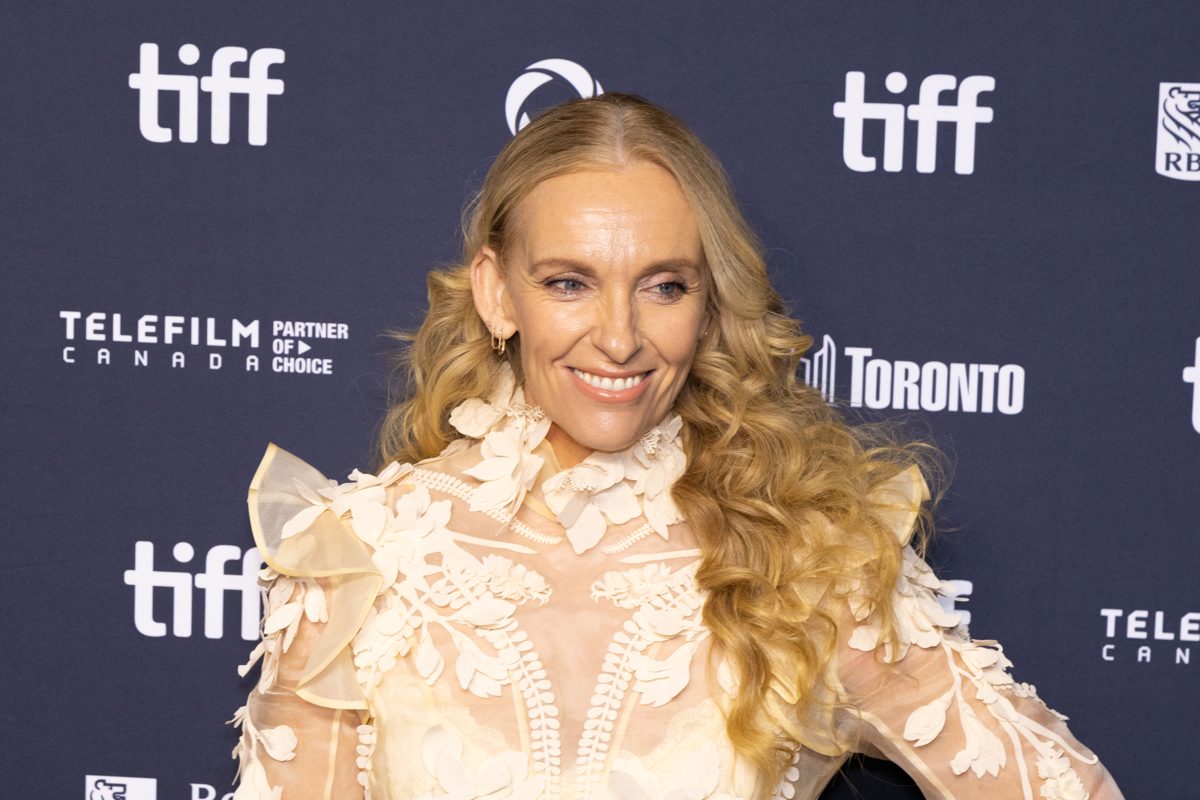
Aster’s direction, the editing, the production design and the rest of the cast are essential to the effect. Collette does not create the family’s emotional world in isolation. A reaction matters partly because another person gives it a cause and partly because the image allows us to study it. Keep those partners visible when discussing a performance often remembered through its most striking moments. The accompanying TIFF photograph was taken in 2025 at a Wayward premiere, not on the Hereditary set. It offers current historical context for the actor, with no claim that a public-event expression demonstrates her work in a fictional role.
Collette places above Perkins because our chosen balance gives slightly more weight to emotional variation across a sustained family relationship than to ambiguity within individual encounters. Bates edges ahead through the precision with which an apparently helpful manner becomes an instrument of domination. Both comparisons are arguable, and neither needs awards or invented audience scores to resolve it. On a return viewing, choose a quieter family exchange rather than the scene everyone discusses first. How does Collette make a person seem to be asking for understanding while simultaneously making it harder for anyone else in the room to offer that understanding?
Source: Primary film record 1.
Photo: Desmond Herzfelder / WikiPortraits · CC BY 4.0. Toni Collette at TIFF for Wayward, 9 September 2025; historical actor context, not a still from the ranked film. Full source frame retained; resized and recompressed, no new crop, colorization or upscaling.
