
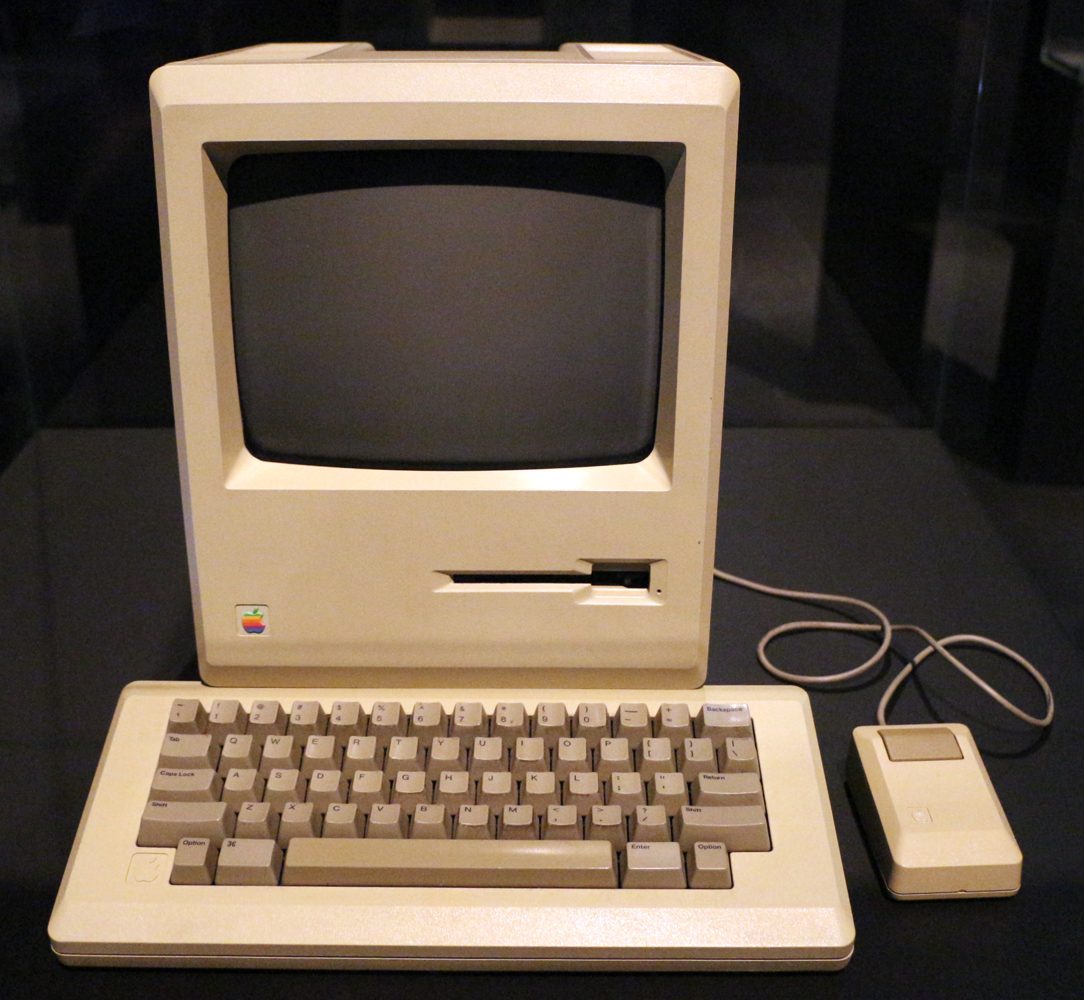
Classic Macintosh system software ranks seventh because it helped make a graphical desktop a coherent personal-computing experience. The 1984 Macintosh combined a mouse-driven environment with windows, icons and menus, but it did not invent every part of that vocabulary. The Computer History Museum explicitly places its interface in a history that includes Xerox PARC and Apple's earlier Lisa. This entry evaluates the classic Macintosh software tradition, not a claim that the modern macOS kernel was already inside the original machine. Those distinctions matter because a compelling user experience can be historically important without needing a false story in which it emerged without predecessors.
The achievement becomes clearer when we think about consistency rather than one attractive screenshot. A user moving between applications benefits when menus, selection and common actions behave in recognisable ways. The computer becomes a place in which learned actions can be reused, rather than a collection of unrelated programs each demanding a new set of habits. This is an interpretive explanation of interface value, not a claim that every classic Mac application followed every convention perfectly. The point is that an operating environment can influence software by giving developers and users a shared expectation about how interaction ought to feel across different tasks.
How influence is judged
A graphical interface also changes how a novice discovers possibilities. A visible menu can expose actions that would otherwise require remembering a command. That does not make text interfaces inherently poor or graphical interfaces universally accessible. Each form has strengths, and real accessibility depends on much more than the presence of icons. The useful historical contrast is between learning a vocabulary before acting and seeing some available actions in the environment. Classic Macintosh software made that relationship central to the product's identity. Its influence therefore belongs in a history of operating systems even though interface design is not the same subject as kernel architecture.
The limits are equally important. A friendly desktop does not by itself guarantee strong separation between applications or remove the constraints of the underlying system. Later architectural changes could be necessary even when users wanted familiar interaction to survive. This is why classic Macintosh software and Mac OS X receive separate entries: one represents a sustained graphical tradition, the other a major change of foundations that carried a recognisable user experience forward. The comparison does not pretend they were completely unrelated products, nor does it merge them into one system whose internal design never changed between the 1980s and the twenty-first century.
Sources and competing cases
The strongest case for moving classic Macintosh software higher is that human interaction may matter more than architecture that most people never see. A computer that makes unfamiliar work approachable can change who feels able to use it. We agree that this is a substantial influence, but place systems with broader combinations of technical, ecosystem and cross-platform effects above it. That is a value choice, not a benchmark result. The ranking also avoids the claim that the Macintosh was the first graphical computer, because removing the predecessors would weaken rather than strengthen the explanation of what Apple successfully brought together.
The Macintosh hardware photograph illustrates the period and product family, not an authenticated installation of a specific system version. When revisiting the classic software, compare the conventions across several tasks instead of asking only whether one old desktop looks charming. Seventh place recognises an influential answer to the question of how a personal computer should present work to its user. Its limitation under our method is that interface success alone does not settle the wider operating-system contest. The next entry asks what happens when a company tries to retain that human-facing continuity while replacing important parts of the technical structure beneath it.
Source: computerhistory.org.
Photo: Computer macintosh 128k, 1984 (all about Apple onlus).jpg · Sailko · CC BY 3.0. Hardware archive illustration; no installed operating system or benchmark is authenticated. Resized and recompressed without cropping; transparent areas flattened to white where present. Original image license retained.
