
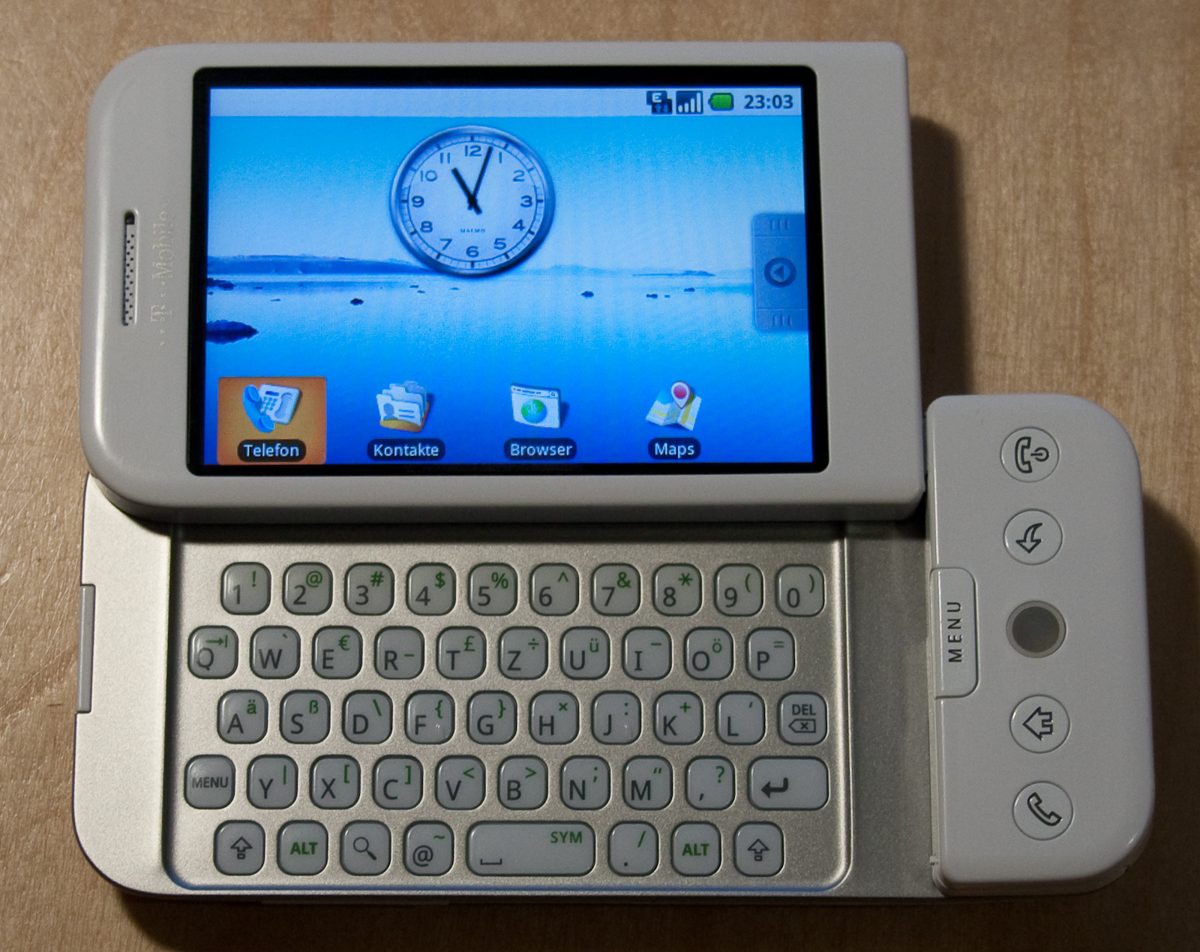
Android ranks fourth because it connects a shared software platform with a diverse world of device manufacturers. Google's history identifies the T-Mobile G1 as the first Android phone in 2008, while project documentation describes Android as a Linux-based software stack. The entry concerns Android's own application and device platform, not the claim that its kernel was invented independently of Linux. That relationship is essential to the ranking. A descendant or layered system can make a distinctive contribution, but the explanation must identify what it adds rather than quietly award it credit for every technical component it inherited from other projects.
The clearest addition is the framework through which applications encounter a range of devices. A common platform can let developers address more than one hardware maker without rewriting the entire application for each handset. That does not mean every program works on every Android device, or that all devices receive the same software version at the same time. Hardware capabilities, implementation choices and support practices still matter. The useful historical achievement is a shared application environment across product diversity, with real limits. Influence is stronger when those limits are stated than when a slogan about openness is made to imply universal interchangeability.
How influence is judged
The Android Open Source Project and a complete commercial phone are also different things. Publicly available source code is one layer of the story; a shipped device can include additional services, applications and vendor decisions. This is why open-source foundations should not be treated as a guarantee that every part of every Android experience is equally modifiable. The ranking does not provide a legal interpretation of each component's licence. It asks how a source-available foundation and a commercial ecosystem interact. That interaction can enable variety while also producing differences that a user must navigate when moving between devices or considering how long software support continues.
Diversity brings benefits and costs. Different form factors, prices and manufacturers can expand the ways a platform is used, while differences in software and hardware make coordination more complicated. That is a structural tradeoff rather than proof that one model is automatically better for everyone. A historical assessment should not confuse a broad ecosystem with a perfectly uniform experience. Android is influential because it makes the tradeoff visible at the scale of everyday computing. It shows that an operating-system platform is partly a technical arrangement and partly a relationship among developers, hardware companies and the people who use their products.
Sources and competing cases
The strongest argument for placing Android above the leaders is the importance of mobile access and multi-manufacturer participation. If a ranking gives the greatest weight to bringing an application platform into a wide range of handsets, fourth may feel too low. We place the foundational and broader-purpose systems ahead because their influence extends beyond Android's particular platform layer. This is not a claim that mobile computing matters less than office work, nor an unsupported estimate of current market share. It is a choice to reward the reusable foundations and developer traditions that also make multiple kinds of device ecosystem possible.
The G1 hardware photograph illustrates an early device, not proof of the installed build or a claim that today's Android interface looks the same. When comparing this entry with iOS, ask which type of coordination you value: a tightly integrated product identity or a common platform spanning more hardware choices. When comparing it with Linux, ask which layer is being credited. Android deserves fourth for its distinct application and device ecosystem, while Linux receives separate consideration for the kernel and collaborative foundation. Naming those layers keeps a genuinely interesting debate from collapsing into the mistaken claim that two related entries must either be identical or completely unrelated.
Source: source.android.com · developer.android.com.
Photo: HTC Dream opened.jpg · Marcus Sümnick · CC BY 3.0. Hardware archive illustration; no installed operating system or benchmark is authenticated. Resized and recompressed without cropping; transparent areas flattened to white where present. Original image license retained.
