
Windows NT ranks third because it represents the enduring challenge of combining a substantial technical foundation with the weight of existing software expectations. Microsoft introduced the NT family in 1993, and its 1998 announcement of the Windows 2000 name explicitly described that product as an evolution of NT technology. This entry follows that family rather than treating every Windows product as the same system. Windows 95 is not silently relabelled as NT, even though interfaces and applications connect their histories. The distinction matters because the most familiar brand name can hide major differences in the underlying systems that people used under it.
Compatibility is the central case for a higher position. Organisations and individuals accumulate applications, documents, devices and training. A new system must offer useful change without making that accumulated work worthless. This is not the simple task of preserving every old implementation detail forever. It is a continuing negotiation between continuity and new requirements. Windows NT belongs near the top because that negotiation is central to its historical importance. The ranking does not claim that every old application works on every later release; it recognises that maintaining a broad platform creates an unusually demanding relationship between architecture, developers and the expectations of users.
How influence is judged
The architecture and the desktop should be read separately. A familiar interface can sit above a different foundation, just as a changed interface does not necessarily mean the entire kernel has been replaced. Microsoft's account of NT 4.0 describes the adoption of the Windows 95-style interface, illustrating why visual similarity is not enough to establish identical internals. This is a useful historical lesson beyond Windows. Screenshots show an interaction surface, not the complete system design. A comparison based only on which desktop looks more modern can miss the structures responsible for resource management, applications and the practical continuity of a platform across releases.
NT also challenges the idea that influence requires an open-source development model. A proprietary platform can shape tools, applications and organisational habits even when users cannot modify its foundations in the same way as an open project. Conversely, the scale of that influence does not automatically make the development model preferable. These are separate judgments. This article gives the family credit for the ecosystem and technical continuity it enabled without turning popularity into a moral argument or assuming that every vendor decision was successful. The question is how much historical weight to give a platform's practical obligations to software people already rely on.
Sources and competing cases
The strongest case for first is that useful continuity at broad desktop and organisational scale may matter more than the elegance of an earlier design tradition. A reader focused on everyday compatibility can coherently rank NT above both Linux and UNIX. We leave it third because our method gives greater weight to ideas and adaptable foundations that travelled through more distinct computing environments. The result is not a recommendation to replace a current Windows installation, a security verdict or a performance benchmark. Historical influence and the best tool for a particular person today are different contests, and a responsible ranking keeps the distinction visible.
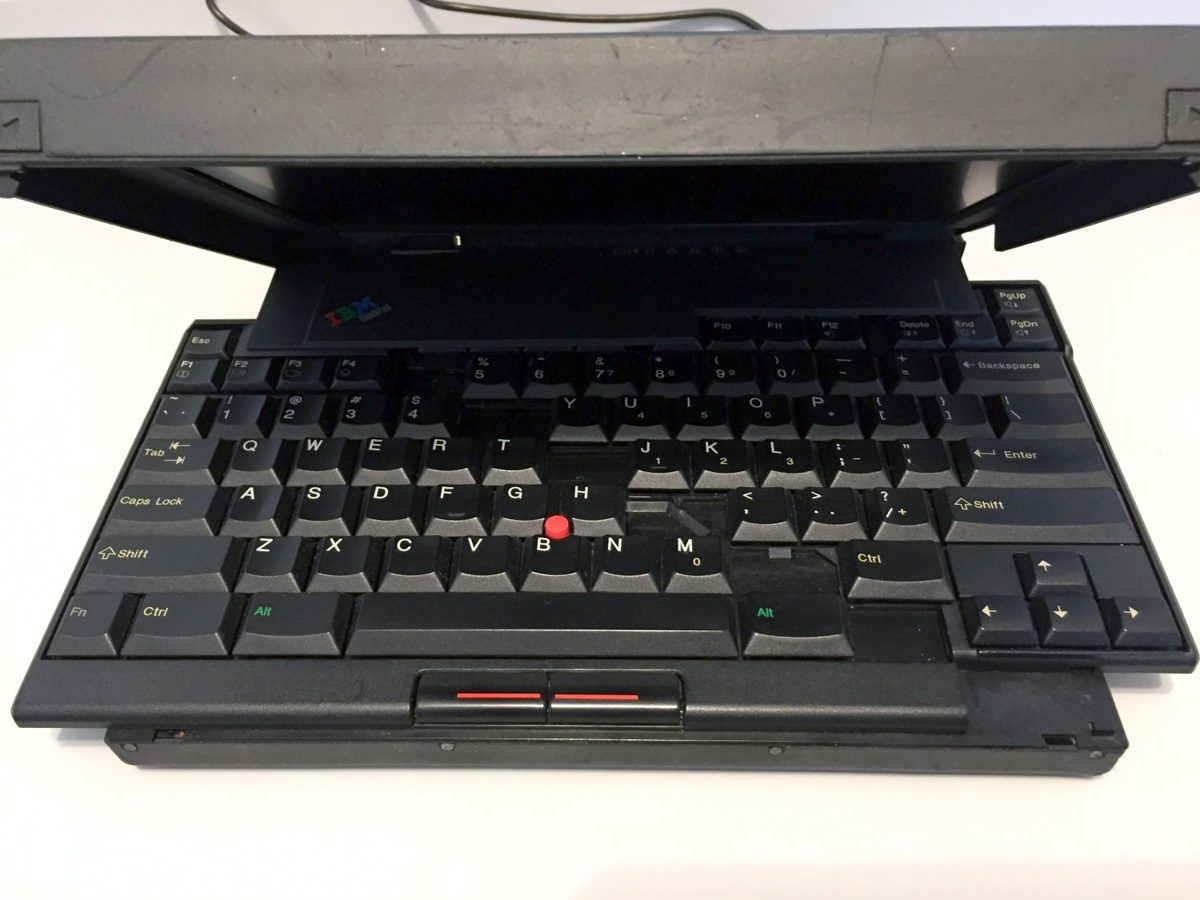
The period laptop photograph is hardware context, not an authenticated display of Windows NT on that unit. To evaluate the family, follow the relationship between a developer's application target and a user's expectation that work will continue after a system change. Third place recognises that relationship as a major achievement rather than dismissing it as mere market presence. NT loses the top position because this list prioritises a broader migration of ideas over the continuity of one large branded ecosystem. Whether that is the right weighting is the most serious desktop-first objection to the two entries that follow, and it deserves more than a nostalgic argument about favourite interfaces.
Source: news.microsoft.com.
Photo: IBM ThinkPad 701C keyboard.jpg · Raymangold22 · CC0. Hardware archive illustration; no installed operating system or benchmark is authenticated. Resized and recompressed without cropping; transparent areas flattened to white where present. Original image license retained.
