
A winter check starts with knowing exactly which car you are preparing. Model name alone is not enough when engines, battery systems, wheel sizes and assistance features differ between versions. Find the correct owner's manual and identify the model year and powertrain. Keep the relevant sections available for tire pressures, warning messages, fluids and cold-weather operation. This first administrative step ranks tenth because it directs all the physical checks that follow. It can prevent a familiar habit from a previous car becoming an incorrect instruction for the one currently parked outside your home.
Review service records alongside the manual rather than buying a generic winter package first. What work was actually completed, and what was only recommended? A receipt saying inspection does not necessarily mean a worn component was replaced. Write down outstanding recommendations and any symptoms that appeared since the last appointment. Distinguish a time-based service interval from a distance-based one using the manufacturer's schedule. If a previous owner kept incomplete records, explain that uncertainty to the workshop. Guessing that an undocumented fluid change happened is less useful than establishing what needs checking now.
Records and recall limits
Recall research is a separate task. In the United States, NHTSA's VIN lookup identifies certain unrepaired safety recalls for a specific vehicle. Its published limitations include some newly announced campaigns, recalls older than fifteen years and international vehicles. A result showing no unrepaired recalls is therefore not a complete mechanical health certificate. Other countries have their own official recall systems, and the manufacturer can clarify coverage for your market. Check the actual identification number and campaign instructions, rather than assuming that every car sharing a badge has the same outstanding issue.
If a campaign applies, read the interim instructions before deciding how to use the car or arrange the remedy. Do not infer that a distant service appointment means continued driving is acceptable. Contact the manufacturer or dealer about the particular notice and retain a record of the response and completed repair. This is also a useful moment to update contact details so future notices reach the current keeper. Keep recall work distinct from optional software features or ordinary maintenance recommendations; similar language in an email does not make every workshop offer a safety campaign.
Make a shared action list
Consider a household with two drivers and one shared vehicle. One person notices an intermittent warning, while the other books a routine service without mentioning it. The appointment can finish without anyone investigating the original concern. A shared note containing the exact message, when it appeared and what conditions accompanied it gives the technician a better starting point. It also lets both drivers see what remains unresolved. Record observations while safely parked, and avoid reproducing a suspected dangerous fault simply to obtain a more dramatic video or a supposedly clearer demonstration.
Finish this check with a short action list: the correct manual located, service history reviewed, relevant recall channels checked and unresolved concerns assigned a next step. It need not become a complicated spreadsheet. A dated note and the workshop's findings are enough to make later decisions more informed. Administrative preparation cannot establish tire grip or battery condition, which is why those checks still follow. It earns its place by connecting general winter advice to the actual vehicle and by making sure that a serious known issue does not disappear beneath a collection of smaller seasonal tasks.
Source: NHTSA.
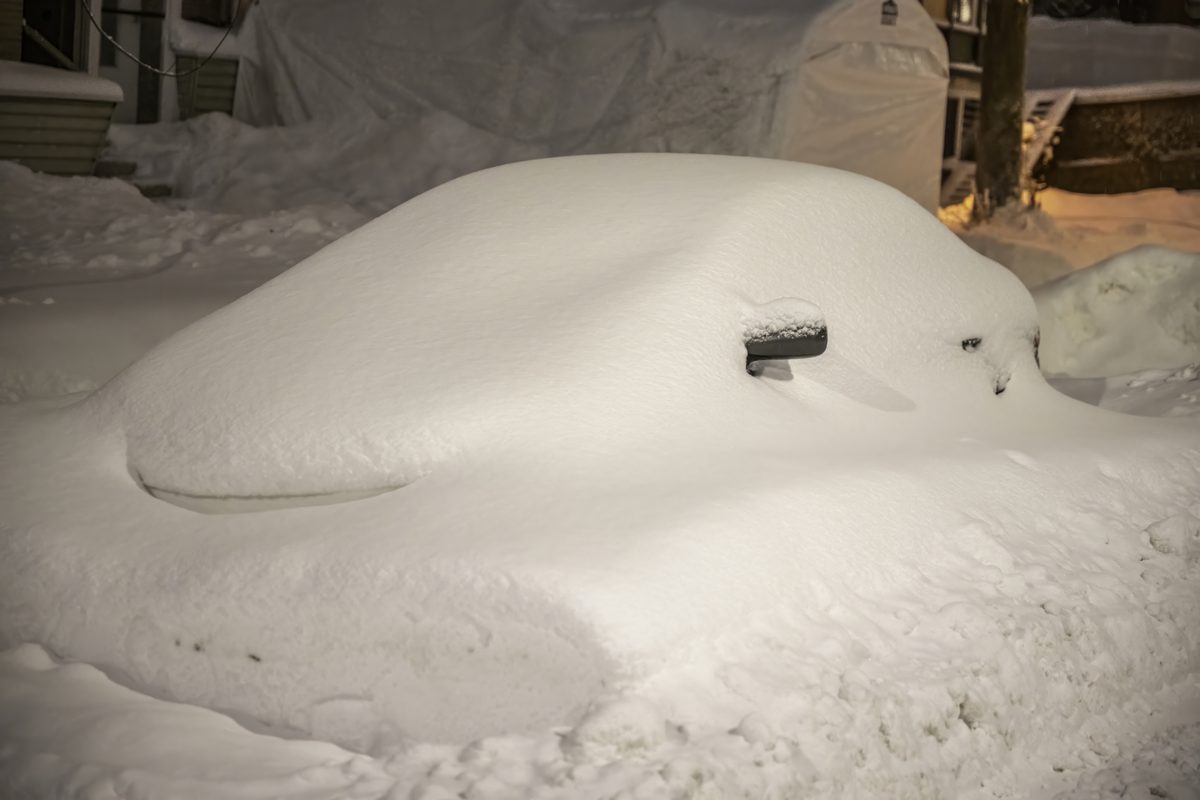
Photo: Car buried in snow on a Quebec City street.jpg · Wilfredor · CC0. Archive photo; resized and recompressed.
