
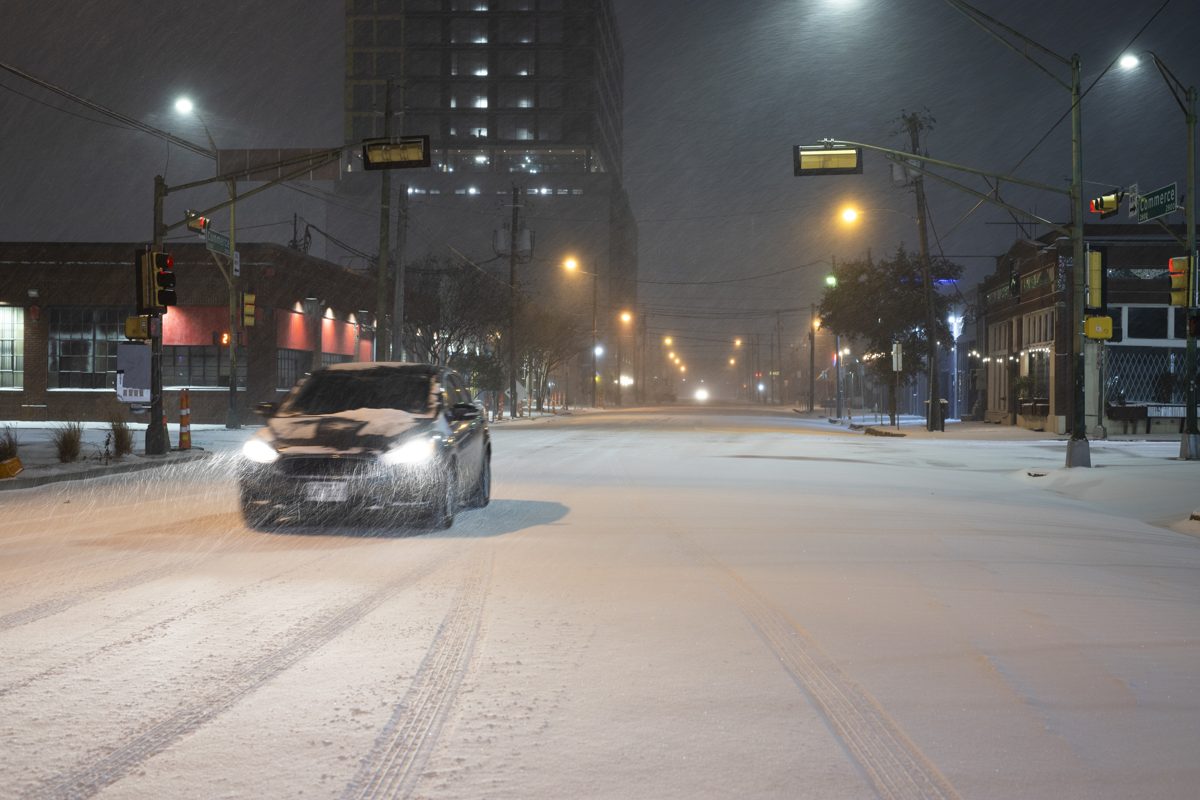
Brakes deserve attention before winter because reduced grip leaves less room for an unresolved fault. This is a condition and familiarity check, not a home repair tutorial or an invitation to test stopping performance on a public road. Review warnings, changes in pedal feel and unusual behaviour with a qualified technician. The RAC identifies unusual noises, pulling and a long or spongy pedal as reasons for assessment. This ranks second because slowing and stopping are central to control. A known braking defect is an immediate priority regardless of where other maintenance items appear in this editorial countdown.
Describe symptoms rather than assigning a diagnosis from one sound. Note whether the issue occurs at the first use, repeatedly, or together with a warning, and pass that information to the workshop. Do not assume that a noise is harmless because it disappears, or that every warning means the same failed part. Follow the manual's instructions for messages requiring a stop or assistance. If safe operation is in doubt, arrange professional advice and appropriate transport rather than driving to obtain a second opinion through experimentation. The point of preparation is to resolve uncertainty before a demanding journey.
Understand ABS and regeneration
Know the braking technologies actually fitted. NHTSA explains that anti-lock braking helps prevent wheel lock during braking and provides different guidance for vehicles with and without ABS. Read the instructions for your car before encountering a slippery surface. Do not transfer an old habit from a non-ABS vehicle automatically to a modern system. Equally, do not assume a badge, dashboard graphic or another driver's description proves which features are operating. The handbook and the vehicle's warning status are the relevant starting points, with a workshop able to investigate faults rather than a checklist promising to certify them.
Electric and hybrid cars add regenerative braking to the discussion. Some systems can limit regeneration when the battery is cold; Tesla documents this for the referenced Model Y generation. That is a model-specific example, not a claim that every EV has identical behaviour or pedal blending. Read your own vehicle's cold-weather information and understand what the displays mean. Friction brakes remain a maintenance topic even if the car often slows through regeneration. A change in the amount of familiar lift-off deceleration should not surprise you for the first time during a steep or slippery journey.
Keep the pedal area clear
Check the driver's footwell as part of control readiness. NHTSA warns that incorrectly fitted mats can interfere with pedals and advises using correctly fitted mats with the proper retention system. A thicker winter mat is not automatically an improvement if it is unsuitable or placed over another mat. Remove loose objects that could move into the pedal area and check the arrangement after cleaning or changing mats. This small inspection belongs beside the mechanical brake discussion because both concern the driver's ability to make the intended input. An unobstructed pedal cannot fix a fault, but an obstructed one can undermine an otherwise working system.
Complete this check with faults investigated, the correct operating instructions understood and the footwell properly arranged. Then remember what the check cannot do: a sound braking system does not create more road grip than the tires and surface allow. Appropriate speed, extra space and a decision to avoid poor conditions still matter. The second-place position reflects the importance of reliable deceleration, while first place goes to the tire-road interface that braking depends on. This is an explanation of priorities, not an argument that a car with inspected brakes has earned permission to travel regardless of the weather.
Source: RAC · NHTSA · Tesla Model Y 2020–2024.
Photo: Dallas snow 2021.jpg · Matthew T Rader · CC BY-SA 4.0. Archive photo; resized and recompressed. Same image license retained.
