
Coolant deserves a winter check because the name can hide its cold-weather role. The fluid specified for an engine cooling system is not simply water reserved for hot days. Its required protection and maintenance depend on the vehicle. NHTSA advises checking that the amount and specification are correct and inspecting for leaks. This ranks seventh as a reliability priority, behind immediate control and visibility concerns. It is not a recommendation to replace sound fluid every autumn or pour an additive into every reservoir you find. Begin with the correct manual and the service history.
Inspect only within the manufacturer's safe checking procedure. A hot cooling system can be pressurized, and opening it is not an appropriate shortcut for a quick driveway inspection. Locate the correct reservoir and understand its level markings before doing anything. Washer fluid, brake fluid and coolant are different systems, even if their containers share an engine compartment. If the identification is unclear, stop and ask a qualified technician. A photo of a cap on a different engine variant is a poor substitute for instructions that match the actual vehicle in front of you.
Use the correct specification
Specification matters more than colour. Two products that look similar are not automatically interchangeable, and a bottle described broadly as antifreeze does not establish compatibility with your car. Some products are premixed and others require preparation under their instructions. Follow the vehicle and product requirements rather than inventing a ratio from memory. If the existing contents are uncertain, explain that to the workshop instead of attempting to solve uncertainty by mixing in more fluid. A professionally checked system is more useful than a reservoir made to look full with an unsuitable product.
A falling level also asks a different question from a scheduled replacement. Repeatedly topping up may conceal an unresolved leak or another fault; it does not demonstrate that the problem has been repaired. Record what you noticed, including any warning and whether there is visible fluid beneath the parked car, without trying to diagnose every mark on the ground. A technician can inspect the system and determine the appropriate action. If a temperature warning appears, follow the manual's stopping instructions. Continuing because the journey is short is not a reliable method of establishing that the engine remains safe.
Different powertrains, different tasks
Electric vehicles need model-specific thinking too. The absence of a petrol engine does not mean every EV is free of liquid thermal-management systems, but their arrangements and service access vary. Do not assume an owner can open, fill or service a traction-battery cooling circuit. Keep high-voltage and specialist thermal-system work with appropriately qualified personnel. This distinction is useful for a mixed household: the maintenance note for an older diesel may have no equivalent owner task on the electric car. One general seasonal checklist should lead to different, correct actions for each vehicle.
The result of this check should be documented confidence in the specification, level and condition, or a booked diagnosis where those remain uncertain. Ask the workshop to explain the finding rather than accepting a vague assurance that the car has been winterized. Keep the invoice or service record so the next inspection starts with evidence. Coolant preparation is largely about avoiding an invisible weak point, which makes it less dramatic than new tires. That quiet role is exactly why it deserves a deliberate place in the list instead of attention only after a warning interrupts a journey.
Source: NHTSA.
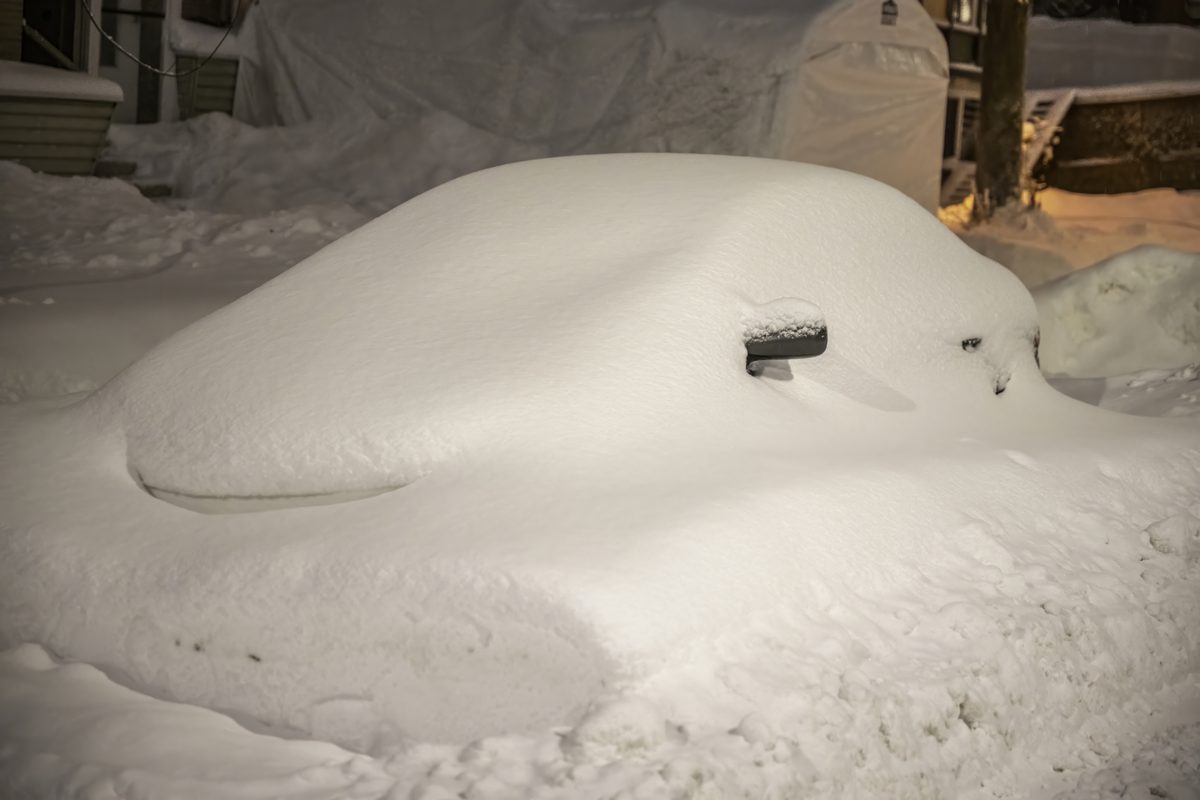
Photo: Car buried in snow on a Quebec City street.jpg · Wilfredor · CC0. Archive photo; resized and recompressed.
