
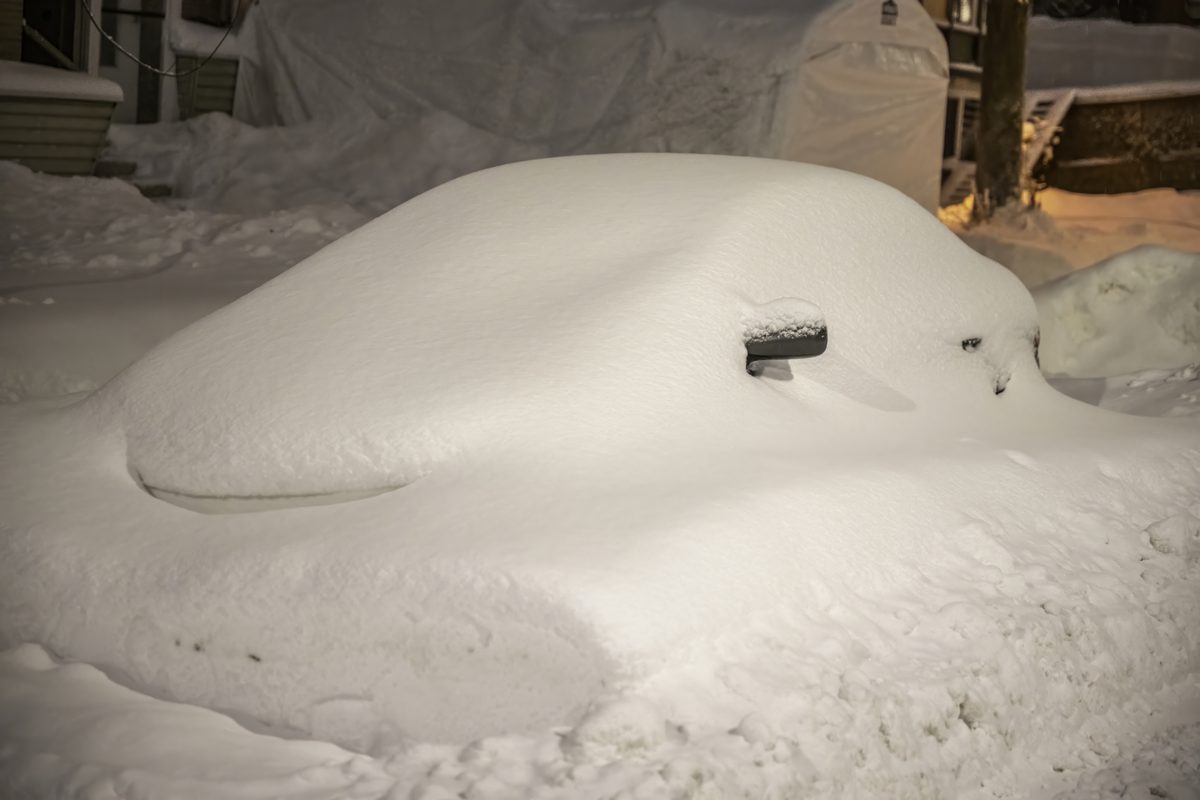
A small cleared patch in a frozen windscreen is not a prepared view. Before departure, the driver needs usable glass, mirrors and the relevant camera areas, together with a system that can keep them clear. This ranks third because observation is fundamental to every decision once the vehicle moves. The check includes the windscreen, side windows, rear glass and mirrors rather than only the most obvious forward opening. It is about the complete field of information the particular car provides, not a photograph of a neat circle scraped above the steering wheel on a cold morning.
Allow time for the process instead of making the departure schedule depend on instant results. Locate front demisting, rear-window heating and mirror controls in advance, and read how they work together in your model. The AA recommends using the vehicle's heating and air-conditioning functions appropriately when clearing the windscreen. This does not mean every climate-control panel has the same buttons or that a function enabled remotely has already completed its job. Check the actual result before leaving. A comfortable cabin temperature and a clear driver's view are related tasks, but they are not the same test.
Clear without shortcuts
Use suitable cleaning and de-icing methods rather than sudden shortcuts. The AA advises against using hot water on frozen glass because of the risk of damage. Keep a proper scraper and an appropriate de-icer available, following the product and vehicle instructions. Avoid forcing stuck wipers or scraping delicate sensor and camera surfaces with a tool intended for ordinary glass. If a door seal or handle is frozen, consult the model's procedure instead of applying uncontrolled force. Preparation works better when these questions are answered on a calm afternoon rather than under pressure beside a frozen car.
Remove loose snow from the vehicle as well as clearing the windows. The AA notes that snow on a roof can shift onto the windscreen. Think about the bonnet, roof and other surfaces using appropriate tools and safe access, without climbing on an unstable support. Check lights and mirrors again once clearing is complete. This is a useful example of overlapping checks: the wipers may function and the lamps may work, yet both can be defeated by material left elsewhere. An organized clearing routine makes the final inspection more reliable than attending only to whichever patch first catches your eye.
Check from the driving seat
If mist repeatedly returns, investigate the cause and the control settings rather than accepting poor visibility as an unavoidable winter feature. Wet items brought into the cabin and dirty interior glass are practical things to review, while a persistent heating or ventilation fault needs service attention. Never compromise the clear view simply to reduce energy use. For an EV, plan energy around necessary demisting and passenger needs rather than treating them as optional afterthoughts. If visibility deteriorates while driving, respond safely to the conditions and do not continue on the assumption that the next bend will make the problem disappear.
Finish with a departure check from the driving position, including the views needed for the first manoeuvre. A parking camera cannot replace clearing the other relevant surfaces and understanding its limitations. Give another driver enough time to make the same assessment if you swap seats. This check ranks above equipment convenience because it determines what information is available at the start of every action. It cannot establish that the road is free of ice, which is why conditions still matter. It establishes something more basic and controllable: whether the car is ready to let you see the environment you are about to enter.
Photo: Car buried in snow on a Quebec City street.jpg · Wilfredor · CC0. Archive photo; resized and recompressed.
