
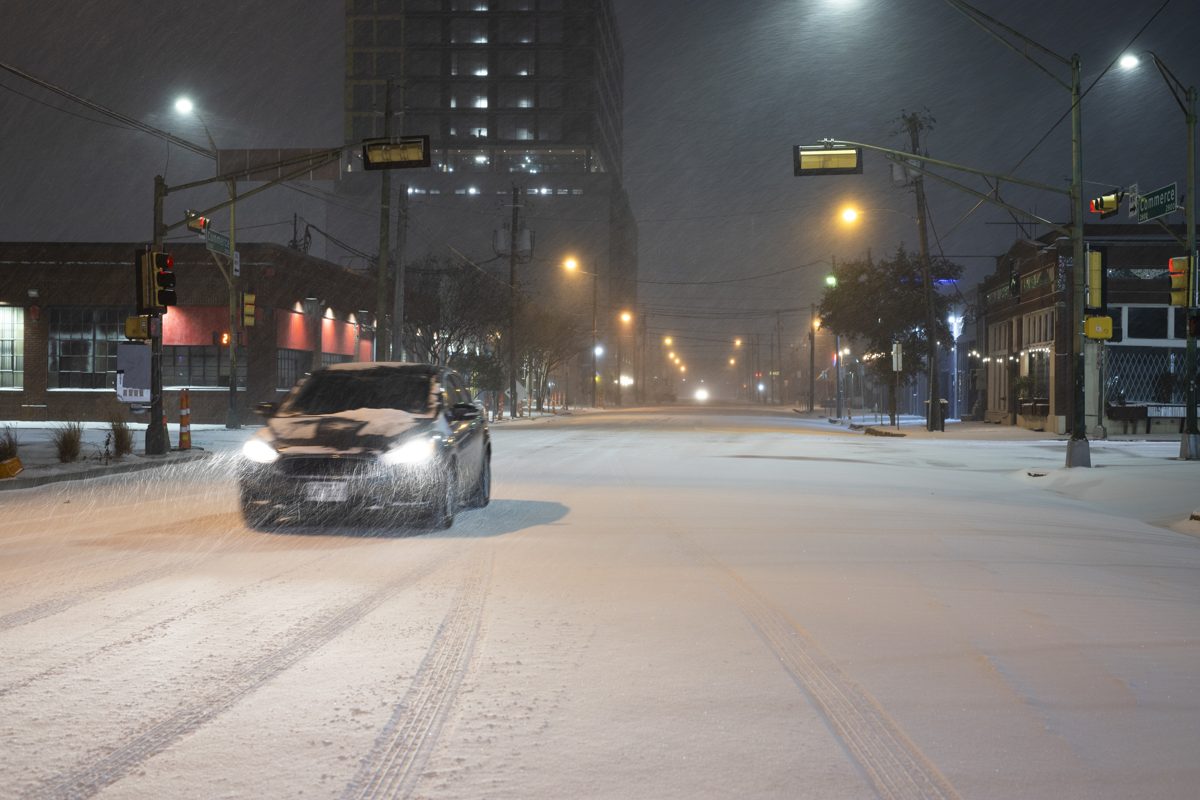
Tires take first place because the car's steering and braking requests ultimately have to pass through its contact with the road. Four-wheel drive does not remove that dependency, and an impressive powertrain cannot make an unsuitable tire set appropriate for every winter route. Begin with the specified size, load and inflation information for the vehicle, then assess condition and suitability for the conditions you expect. NHTSA distinguishes winter tires from summer and all-season designs and notes their advantage in deep snow. This ranking concerns choosing and maintaining the right equipment, not naming one universal winning product.
Check pressure using the vehicle's recommended cold settings, which are normally on its placard or in the manual. NHTSA defines a cold check as one after the tires have not been driven for at least three hours. The maximum figure on a tire sidewall is not the vehicle's recommended setting. Some cars specify different front and rear values or different loaded conditions, so read the actual information rather than copying a neighbour's number. Temperature changes are a reason to recheck; a pressure-monitoring warning is not a substitute for a regular, deliberate inspection with an appropriate gauge.
Assess condition and timing
Inspect tread and visible damage as separate questions. Adequate pressure does not make a bulge, cut or heavily worn tire satisfactory. Have a tire professional assess concerns, and consider the maker's age and replacement guidance alongside the physical inspection. Do not treat a minimum legal tread figure as a guarantee of good winter performance or assume one country's requirements apply everywhere. A car that spends winter in persistent snow faces a different choice from one used mostly on wet roads. Describe the real route and conditions when discussing a suitable set, rather than choosing only by an aggressive-looking tread pattern.
Timing is a common question, but the calendar alone is a weak answer. Michelin recommends winter tires when temperatures consistently fall below about 7°C, or 45°F. Treat that as the tire maker's seasonal guidance rather than a universal legal threshold or a precise point at which every tire changes behaviour. Look at local conditions and planned travel, confirm vehicle compatibility and arrange fitting before the weather creates urgency. Discuss a complete appropriate set with the professional rather than mixing tire types casually. The goal is predictable equipment matched to the car, not a hurried purchase based on the first overnight frost.
Plan storage and follow-up
Seasonal tires also create a storage and logistics task. Michelin advises clean, dry storage away from sunlight and heat, with arrangements depending on whether tires remain mounted on wheels. Confirm the details for your equipment and available space. Label or record the set clearly and inspect it before refitting, rather than assuming last season's removal proved present condition. Check whether the vehicle has a spare or a puncture kit and understand its limitations. These practical questions matter because a good purchase decision is incomplete if fitting, maintenance and the response to a puncture remain unresolved afterwards.
Finish with documented pressures, a satisfactory condition assessment and a tire choice appropriate to the route. No tire makes ice harmless, so retain sensible speed, distance and the option to postpone travel. Tire preparation wins this list because it supports the control functions discussed earlier, while visibility and mechanical reliability remain essential partners. The best winter plan combines them instead of treating one purchase as a cure for every weakness. Which change made the biggest practical difference in your own winter preparation: the tire decision, clearer glass or finally resolving a recurring reliability issue? Compare the conditions as well as the result.
Source: NHTSA · Michelin · Michelin.
Photo: Dallas snow 2021.jpg · Matthew T Rader · CC BY-SA 4.0. Archive photo; resized and recompressed. Same image license retained.
